


You’ll see sustainable fibers like recycled polyester, Tencel, and organic cotton increasingly match traditional synthetics for running gear, offering moisture management, stretch, and durability while cutting reliance on virgin resources. Expect better dyeing, odor control, and circular options as costs fall and certifications improve, though supply-chain complexity and higher upfront prices remain. Designers will emphasize repairable, long-lasting construction and take-back programs. Keep going to explore specific fibers, trade-offs, and practical sourcing steps.
What “Sustainable Fibers” Mean for Running Apparel

Because your running gear touches both performance and the planet, sustainable fibers are about more than marketing—they’re a deliberate choice of materials that reduce environmental harm while meeting athletic demands.
You’ll find sustainable materials like recycled fibers and organic cotton cut reliance on virgin resources, preserving landscapes and lowering production footprints.
Brands from Patagonia to Nike are proving eco-friendly options can match traditional fabrics in moisture-wicking and durability, so you don’t sacrifice performance.
Growing demand—68% of athleisure buyers prefer eco-conscious brands—drives fabric innovation, including biodegradable textiles designed for running.
As activewear sales expand, these advances let you choose gear that balances function with environmental responsibility, making sustainability an integral part of how you select and trust running apparel.
Born to Run Apparel, established in 2015, exemplifies this trend by offering responsibly made, fashionable garments with ringspun cotton and eco-conscious production methods.
How to Evaluate Sustainable Fibers: A Quick Checklist for Buyers and Designers
When you’re comparing activewear options, a focused checklist helps separate genuine sustainability from greenwash and guarantees fabrics meet performance needs; start by tracing a fiber’s origin and production, then confirm functional attributes and end-of-life pathways so you can weigh trade-offs with confidence.
First, trace origin: prioritize recycled fabrics or certified organic sources to cut virgin resource use.
Start by tracing fiber origins—choose recycled materials or certified organic sources to minimize virgin resource use.
Second, inspect production: seek low-impact dyeing and reduced chemical treatments.
Third, verify performance: test moisture-wicking, UV protection, strength, and durability—advanced fabrics should match or exceed conventional synthetics.
Fourth, confirm sustainable certifications like GOTS or OEKO-TEX for transparency.
Finally, evaluate lifecycle: assess recyclability or biodegradability and available take-back programs so you can support circularity in activewear design and purchasing.
Leading Sustainable Fibers Today: Recycled Polyester, Tencel, Organic Cotton
Having a checklist for vetting sustainable fibers helps you move from theory to product choices. Now it’s useful to look at the materials that are actually shaping eco-conscious activewear: recycled polyester, Tencel, and organic cotton.
Recycled polyester, made from post-consumer plastic bottles, cuts dependence on virgin petroleum and lowers production carbon emissions. It’s durable, dries quickly, and suits high-performance garments.
Tencel, produced from sustainably sourced wood pulp, offers notable softness and moisture-wicking properties, so you’ll find it comfortable for next-to-skin layers.
Organic cotton is grown without synthetic pesticides or fertilizers, supporting healthier ecosystems and often reducing water use versus conventional cotton.
As demand for eco-friendly options grows, these fibers give you practical, market-ready routes to more sustainable activewear.
Emerging Sustainable Fibers and Biodegradable Textiles to Watch
As interest in truly circular and low-impact apparel grows, emerging sustainable fibers and biodegradable textiles are moving from lab curiosities into commercial activewear lines you can actually buy and test.
You’ll see fibers like Tencel and Seacell adopted for their lower-impact production and softer hand, offering an eco-friendly alternative to conventional synthetics.
Designers are also exploring biodegradable textiles that let running gear break down more readily at end-of-life, reducing landfill burden.
Expect broader use of recycled materials—brands increasingly blend recycled polyester with plant-derived elastane to maintain fit while cutting virgin resource use.
Market momentum, consumer demand, and examples like Aguante’s recycled-elastane tights indicate these innovations will scale, so you can choose performance wear aligned with circularity and reduced environmental impact.
Performance Trade-offs: Moisture, Stretch, Durability, and Odor Control
Although sustainable fabrics have closed many of the performance gaps with conventional materials, you still need to weigh trade-offs in moisture management, stretch, durability, and odor control when choosing activewear.
You’ll find recycled polyester and organic cotton now perform well as moisture-wicking fabrics, but finishings and blends affect real-world feel and drying speed.
Biodegradable textiles can keep elasticity and durability, though long-term wear cycles vary by composition.
Brands blending recycled polyester with plant-derived elastane improve stretch and comfort while maintaining sustainability.
Advanced, non-toxic treatments deliver odor-resistant properties and UV protection, yet they can raise cost.
Consider these practical priorities as you shop:
- Drying speed versus natural feel.
- Stretch retention versus biodegradability.
- Odor control treatments versus price.
Strength training also plays a role in injury prevention for activewear users by encouraging routines that build muscle balance and reduce the risk of overuse injuries.
Fabric Tech That Restores Performance in Sustainable Fibers
You’ll see how moisture-wicking BioBlends pull sweat away from your skin using recycled fibers engineered for fast evaporation, matching the performance of traditional synthetics.
Plant-based elastic recovery now gives your gear reliable stretch and rebound without relying on petrochemical elastane, so your tights keep their fit mile after mile.
Advances in microfiber thermal regulation add targeted warmth and cooling while remaining biodegradable, letting you trust sustainable fabrics for real athletic demands.
Moisture-Wicking BioBlends
When performance fabrics meet sustainability, moisture-wicking bio-blends restore the technical qualities athletes expect while cutting environmental impact.
You’ll find these blends pair moisture-wicking performance with recycled textiles and other sustainable fibers to deliver breathability, quick-dry speed, and odor control comparable to conventional synthetics.
Brands are blending recycled polyester with plant-derived elastane and emerging biodegradable yarns so your gear performs now and degrades responsibly after its lifecycle.
You can expect lab-tested sweat management, stretch retention, and reduced footprint.
Adoption is rising as consumers demand eco-friendly, high-performance gear and the market grows toward projected valuations.
Consider these key benefits:
- Improved sweat transport and quick-drying
- Lower lifecycle emissions via recycled textiles
- Competitive durability with reduced environmental cost
Plant-Based Elastic Recovery
Because activewear depends on reliable stretch and rebound, plant-based elastic recovery has emerged as a practical solution for restoring performance in sustainable fibers.
You’ll find plant-based fibers blended with plant-derived elastane deliver the high-performance stretch and recovery you expect from conventional synthetics, so your gear keeps shape and support through repeated use.
These innovative materials match elasticity standards while cutting reliance on non-renewable inputs, since many sustainable fibers come from renewable sources.
Brands adopting this approach address rising consumer demand—68% of athleisure buyers prefer eco-conscious options—by combining performance with a smaller environmental footprint.
When you choose pieces using plant-based elastic recovery, you’re selecting garments that balance durability, comfort, and responsible material sourcing without sacrificing function.
Manufacturers are also pairing these fibers with advanced moisture-wicking technologies to enhance breathability and performance.
Microfiber Thermal Regulation
After improving stretch and recovery with plant-based elastane blends, manufacturers are turning to microfiber thermal regulation to restore and enhance overall performance in sustainable activewear.
You’ll notice microfiber’s fine denier structure boosts thermal management, letting garments wick moisture and retain or shed heat as needed during varied activity.
Sustainable fibers like recycled polyester blends now pair breathability with lasting insulation, so performance doesn’t degrade after repeated washes.
Integration of smart textiles with microfiber systems adds sensors and actuators that adjust insulation in real time based on conditions, optimizing comfort and output.
Consider key benefits:
- Improved moisture-wicking and temperature balance for sustained performance.
- Durable thermal properties that extend garment life and reduce waste.
- Consumer appeal combining eco credentials with measurable function.
ASICS’ use of recycled polyester in performance footwear shows how recycled materials can deliver durability and breathability while reducing environmental impact.
Supply‑Chain and Cost Challenges for Sustainable Activewear
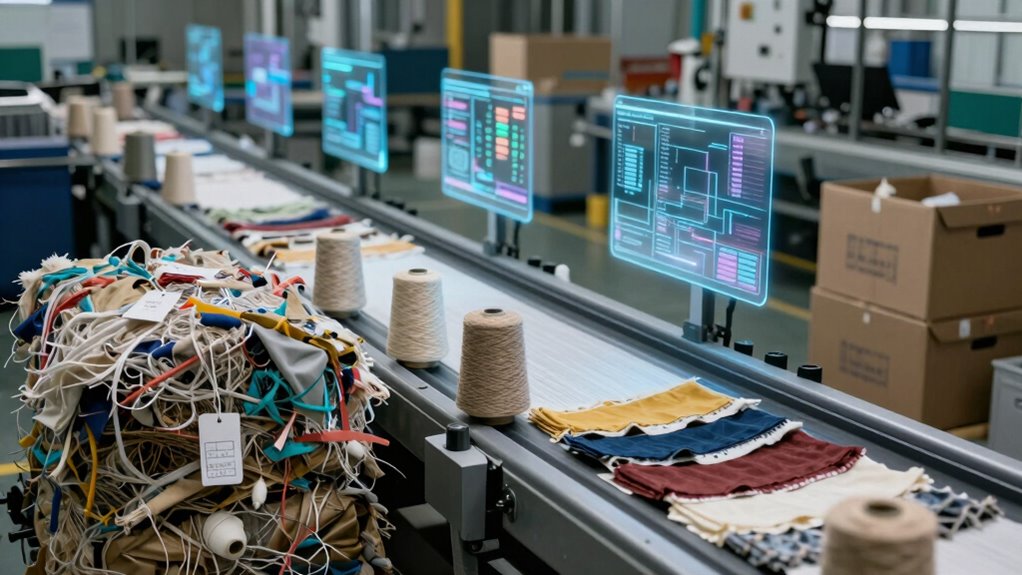
You’ll face higher upfront costs when sourcing sustainable fibers, as specialized materials and certifications raise purchase prices and minimum order requirements.
That expense, combined with less mature supplier networks, can strain supply-chain resilience and make production schedules and scalability harder to guarantee.
To succeed, you’ll need clear sourcing strategies, contingency planning with trusted partners, and transparent communication to justify price differentials to consumers.
Costly Material Sourcing
While the push toward sustainable fibers has strong environmental logic, shifting your activewear line to greener materials often means absorbing steep upfront costs and overhauling supply chains.
You’ll face a clear price gap between sustainable materials and traditional textiles, which can change your margins and pricing strategy. Sourcing sufficient high-quality fabrics is hard, and early sustainable options sometimes lag on durability or elasticity compared with conventional synthetics.
You’ll need to treat the shift as a strategic investment, balancing product performance and customer education to justify higher price points.
Consider these focus areas:
- Supplier qualification and volume guarantees to reduce per-unit costs.
- Transparent marketing to convey environmental value and performance.
- Product testing to verify sustainable blends meet athletic standards.
Heavier athletes especially require attention to durability and cushioning to ensure sustainable materials perform under increased load.
Supply Chain Resilience
Although investing in sustainable fibers can improve your brand’s environmental credentials, it also exposes your supply chain to new vulnerabilities that demand active management. You’ll face higher initial costs, durability questions, and the need to educate buyers so consumer demands align with value. To build resilience, diversify suppliers, invest in smart technology for traceability, and communicate lifecycle benefits clearly to dispel skepticism about performance parity.
| Emotion | Risk | Action |
|---|---|---|
| Concern | Cost gaps vs. traditional fabrics | Educate consumers on benefits |
| Hope | 68% prefer eco-options | Use traceability tools |
| Resolve | Durability doubts | Partner with R&D for testing |
These steps make supply chains stronger and support sustainable adoption.
Design and Care Strategies to Extend Garment Lifespan
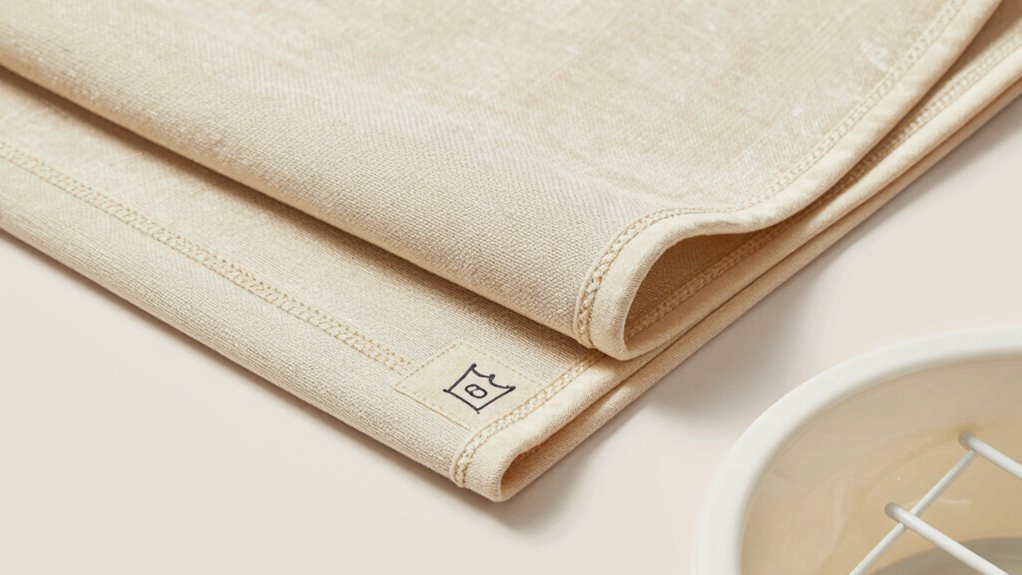
Design activewear with longevity in mind by combining robust construction, modular components, and clear care guidance so garments stay useful longer and create less waste.
You should specify durable stitching and reinforced seams so sustainable fibers endure high‑intensity use. Offer modular elements—replaceable cuffs, panels, or zippers—so consumers can repair or update items instead of discarding them.
Use eco‑friendly garment care labels with clear wash settings, temperature limits, and drying advice to reduce fabric stress.
- Promote simple repairs: provide spare parts and instructions.
- Educate on washing: cold water, gentle cycles, minimal detergent.
- Implement take‑back programs to recycle or refurbish returns.
These steps make garment care practical, support a circular economy, and help you extend product lifespans.
Credibly Communicating Environmental Impact to Eco‑Conscious Buyers
Because eco-conscious buyers increasingly expect honesty and detail, you should communicate your activewear’s environmental impact with clear, verifiable information that addresses both values and performance.
Use data-driven claims: state percentage reductions in water, energy, and emissions, and cite lifecycle analyses that compare recycled and virgin materials.
Explain how sustainable fabrics match traditional options in durability, breathability, and moisture management so skeptical shoppers see performance parity.
Highlight certifications, supplier partnerships, and third-party audits to reinforce trust.
Use smart technology—QR codes, batch tracking, and interactive labels—to let customers verify claims immediately.
Describe end-of-life options, including biodegradability or take-back programs, and tailor messaging to runners and health-focused buyers who prioritize both function and environmental responsibility.
What the Next Five Years Look Like for Sustainable Activewear Fibers
Over the next five years you’ll see performance and sustainability converge as recycled polyester, organic cotton blends, and advanced fibers match traditional synthetics in moisture-wicking, UV protection, and durability while also cutting lifecycle impacts.
Circular material innovation—like biodegradable textiles and improved recycling systems—will make it easier to return activewear to the supply chain, reducing waste and preserving value.
At the same time, scaling affordable green manufacturing and integrating nanotechnology and smart textiles will help brands meet the rising demand for eco-friendly options without pricing most consumers out.
Performance Meets Sustainability
As sustainable fibers close the performance gap with traditional synthetics, the next five years will see activewear that performs without compromising environmental goals.
You’ll notice sustainable fabrics matching moisture-wicking, durability, and stretch, so you won’t sacrifice function for conscience. Brands are blending recycled polyester with plant-derived components to create high-performance gear, and improved dyeing and material tech will lower waste and carbon footprints.
Still, price remains a barrier as you weigh cost against impact; 68% of consumers favor eco-friendly products but adoption grows as costs fall.
Expect incremental gains in supply chains, testing standards, and consumer transparency that make choosing sustainable activewear simpler and more reliable.
- Performance parity
- Supply-chain improvements
- Consumer adoption strategies
Circular Material Innovation
If brands design garments with end-of-life recovery in mind, you’ll see a faster shift toward truly circular activewear over the next five years. You’ll notice recycled textile growth, guided by a projected 3.6% CAGR through 2033, and examples like Adidas’ Futurecraft Loop will push circular economy adoption. You’ll also see more bio-based materials—Tencel and algae-derived fibers—used for performance and reduced footprint. Designing for recycling will help meet regulatory and consumer demands, accelerating sustainable activewear supply chains and reaching larger market values by 2034. Expect stronger collaboration across brands, recyclers, and material scientists to scale recovery systems, improve fiber-to-fiber recycling, and standardize labeling so you can make informed, circular purchasing choices.
| Trend | Driver | Impact |
|---|---|---|
| Recycling growth | Demand | Scale fibers |
| Bio-based uptake | Innovation | Lower footprint |
Affordable Green Manufacturing
While the sustainable activewear market is poised to expand rapidly, making green manufacturing affordable will be the practical challenge that determines how widely these fibers are adopted.
You’ll see costs fall as brands scale recycled inputs, streamline dyeing, and improve production efficiencies. Over the next five years, partnerships and transparency will be critical as manufacturers pursue affordable, sustainable manufacturing without sacrificing performance.
- Scale recycled sourcing to cut material costs and stabilize supply.
- Innovate low-water, low-chemical dyeing to reduce environmental and operational expenses.
- Partner across the supply chain to share technology and lower capital barriers.
You’ll also need clear consumer education; when shoppers understand durability and performance, willingness to pay narrows, accelerating broader adoption.
Wrapping It Up
You’ll choose fibers by balancing performance, lifecycle impact, and cost, and you’ll design and care for garments to extend their useful life. For example, a small running brand switched to recycled polyester blended with Tencel, improved fit to reduce returns, and offered repair kits—cutting waste and keeping performance high. Over the next five years, expect better low‑impact fibers, clearer supply‑chain transparency, and more scalable circular solutions for activewear.