



The best running movies of all time captivate with their inspiring true stories and themes of perseverance. “The Loneliness of the Long Distance Runner” and “Chariots of Fire” explore individualism and cultural dedication. “Unbroken” and “Desert Runners” highlight resilience and endurance. Films like “The Jericho Mile” and “Finding Traction” delve into personal growth within confinement. Each film showcases running’s profound psychological and emotional benefits, offering audiences insight into the unyielding spirit of athletes and the transformative power of the sport.
The Loneliness of the Long Distance Runner


Although running is often perceived as a solitary pursuit, “The Loneliness of the Long Distance Runner” illuminates the complex layers of individualism embedded within the sport.
Adapted from Alan Sillitoe’s short story, the film follows a rebellious youth in a reform school who discovers a talent for long-distance running. This newfound ability earns him privileges, highlighting the stark contrast between personal freedom and institutional control.
As he runs, the protagonist reflects on his life and choices, underscoring the coming-of-age theme. The film resonates with audiences through its exploration of independence, personal growth, and the introspective journey of running.
The Jericho Mile
“The Jericho Mile” offers a compelling narrative that delves into the intersection of individualism and redemption within the confines of prison life.
The film stars Peter Strauss as Larry Murphy, a defiant loner whose running prowess becomes both an emotional outlet and a pathway to personal transformation. As Murphy trains in the restrictive environment of Folsom Prison, his journey highlights the power of self-determination and resilience.
Running, depicted as a solitary pursuit, symbolizes Murphy’s internal quest for freedom and identity. The film underscores the theme of redemption, portraying how personal achievement can transcend physical and metaphorical barriers.
Chariots of Fire

Chariots of Fire captures the spirit of athletic dedication and the complex interplay between personal conviction and competitive drive.
The film, set against the backdrop of the 1924 Paris Olympics, explores the contrasting journeys of Eric Liddell, a devout Christian, and Harold Abrahams, a determined Jewish athlete.
Liddell’s commitment to his faith and Abrahams’ relentless pursuit of victory highlight the tension between personal beliefs and the demands of elite sports.
The iconic Vangelis score and mesmerizing beach-running scene have left an indelible mark on popular culture.
Despite liberties with historical accuracy, its themes resonate in contemporary athletic circles.
Personal Best
While “Chariots of Fire” immerses viewers in the broader historical context of the 1924 Paris Olympics, “Personal Best” offers a more intimate portrayal of athletic ambition and personal growth.
Released in 1982, this film stars Mariel Hemingway as a young pentathlete navigating the challenges of elite competition. Authenticity is bolstered by a cast that includes real Olympic athletes, enhancing the film’s genuine depiction of the sport.
Set against the stunning backdrop of California dunes, “Personal Best” captures the essence of running as both a personal and competitive endeavor. Its focus on individual struggles and triumphs resonates with audiences.
Finding Traction

In “Finding Traction,” viewers are invited to follow the extraordinary journey of Nikki Kimball, an ultrarunning legend, as she embarks on a quest to set a new speed record on Vermont’s challenging Long Trail.
This documentary captures Kimball’s relentless spirit and determination as she navigates the rugged 273-mile route. Set in the stunning yet unforgiving Green Mountains, the film offers an intimate look at her mental and physical endurance over four grueling days in August 2012.
At 41, Kimball’s attempt highlights the intersection of passion and perseverance, inspiring audiences with her unwavering dedication to ultrarunning excellence. Her journey exemplifies how running can lead to a 30% reduction in depression symptoms, showcasing the profound psychological benefits of the sport.
Forrest Gump
Forrest Gump stands as a cinematic classic, weaving a tapestry of significant cultural and historical moments through the lens of its titular character’s life journey. The film’s running scenes are iconic, contributing to its enduring legacy.
Forrest’s cross-country running symbolizes perseverance and adventure, with breathtaking landscapes serving as a backdrop. His spontaneous decision to run across America captures the essence of freedom and self-discovery.
The famous line “Run, Forrest, run!” resonates with audiences, encapsulating themes of determination. The film’s portrayal of running transcends mere physical activity, becoming a metaphor for life’s unpredictable and transformative journey. Moreover, Forrest’s journey can be seen as a reflection of the psychological benefits of running, illustrating how physical activity fosters mental clarity and emotional resilience.
Unbroken
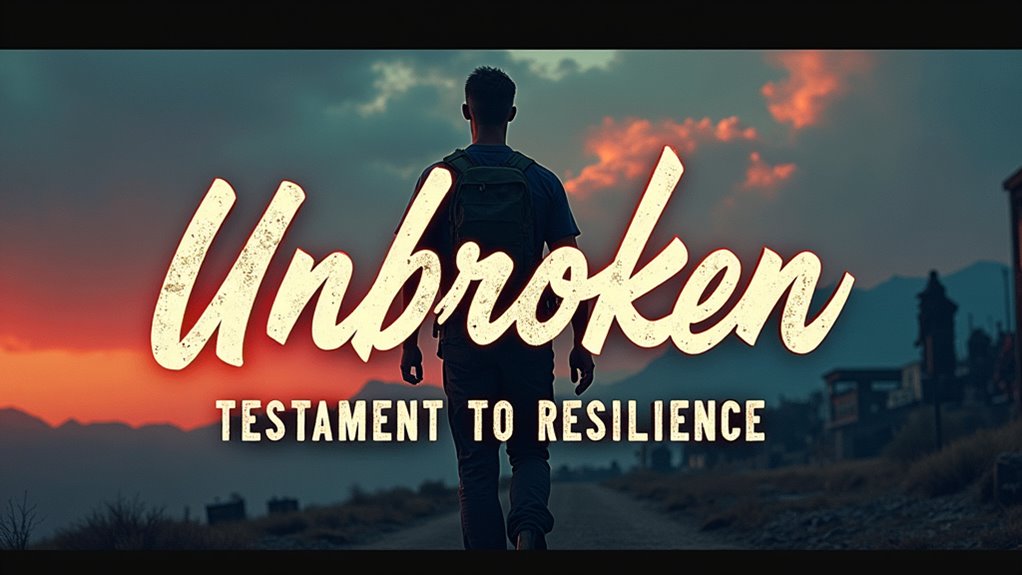
Unbroken chronicles the remarkable life of Louis Zamperini, a man whose journey from Olympic athlete to WWII hero embodies the spirit of resilience and survival.
The film, directed by Angelina Jolie, captures Zamperini’s transformation from a promising 1936 Olympic qualifier in the 5,000 meters to a soldier facing unimaginable hardships.
After surviving a harrowing plane crash, Zamperini and his crewmates drift at sea for weeks, only to be captured by the Japanese navy.
Throughout his internment, Zamperini endures brutal conditions, showcasing an unyielding spirit.
His story highlights the profound themes of endurance and courage, transcending the realm of sports.
Run for Your Life
While the world of running has many legends, few have shaped the culture of the sport as profoundly as Fred Lebow, the central figure of the documentary “Run for Your Life.”
This affectionate film delves into Lebow’s pivotal role as the race director of the New York City Marathon, highlighting his remarkable journey from a casual runner to a transformative leader in distance running.
The documentary captures Lebow’s vision and determination, which transformed the NYC Marathon from a modest event into a global spectacle.
His charismatic leadership and passion for the sport inspired countless runners and elevated the marathon’s prestige worldwide.
The Long Green Line

Among the myriad of stories captured in the realm of running, “The Long Green Line” offers a compelling look into the 2005 season of coach Joe Newton and his remarkable boys’ cross-country team in Illinois.
With 221 students participating, the documentary focuses on Newton’s philosophy: “It’s nice to be great, but far greater to be nice.”
Despite the majority not competing in major meets, the film emphasizes the profound impact of Newton’s mentorship on each team member.
Through candid portrayals, viewers witness how the sport fosters camaraderie and personal growth, making it a noteworthy addition to the running film genre. Additionally, the film highlights how running not only improves physical health but also serves as a natural antidepressant that enhances mental health benefits for the athletes involved.
Desert Runners
“Desert Runners” delves into the grueling world of ultra-distance racing, documenting the extraordinary journey of a group of amateur runners as they attempt the formidable 4 Deserts challenge.
This documentary captures their experiences across four extreme terrains: the Atacama Desert, the Gobi, the Sahara, and Antarctica. Each race exceeds 150 miles, pushing participants to their physical and mental limits.
The film provides insight into the brutal nature of ultra racing, highlighting the relentless determination required to endure such harsh conditions.
Viewers witness the runners’ perseverance, resilience, and the profound personal transformations that occur throughout this unparalleled journey.
Conclusion
In exploring the best running movies of all time, these films collectively underscore the profound impact of running on both personal growth and communal spirit. From the rigorous training depicted in “Chariots of Fire” to the personal challenges showcased in “Desert Runners,” each film offers a unique perspective on the sport’s capacity to inspire resilience and determination. Together, they illuminate the multifaceted nature of running, serving as both a metaphor for life’s journey and a testament to human perseverance.