


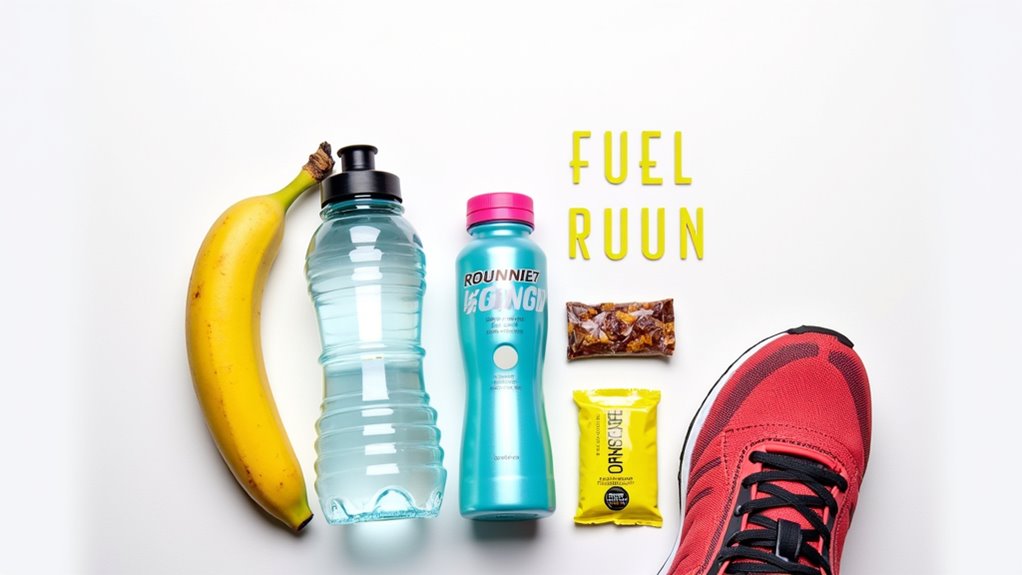
To fuel your young runner’s performance, you’ll need to focus on balanced nutrition and proper hydration. Aim for 3-8 grams of carbohydrates per kilogram of body weight daily, paired with 1.2-2.0 grams of protein per kilogram. Stay hydrated by drinking 8-12 oz of water 20 minutes before exercise, and 3-8 oz every 15-20 minutes during activity. Timing meals 2-3 hours before training and including post-workout recovery snacks will help release your athlete’s full potential.
Fueling Success With Essential Carbohydrates


When it comes to optimizing athletic performance in young runners, carbohydrates serve as the body’s primary fuel source for sustained energy and endurance.
You’ll need to consume between 3-8 grams of carbohydrates per kilogram of your body weight daily, depending on your training intensity.
Your carbohydrate sources should include a mix of complex and simple options, from whole grains to fruits.
Timing strategies are essential – if you’re running for more than an hour, you’ll want to take in 30-60 grams of carbs per hour during exercise.
This strategic intake helps prevent glycogen depletion and maintains your energy levels throughout your training sessions. Additionally, maintaining adequate glycogen stores is crucial for preventing fatigue and optimizing performance during longer runs.
Building Blocks: Protein for Young Athletes
Proper protein intake serves as a cornerstone for young runners’ athletic development and performance.
You’ll need 1.2-2.0 grams per kilogram of body weight daily, which is higher than standard recommendations. Focus on protein timing by consuming quality sources every 3-4 hours throughout the day.
Choose whole food protein sources like lean meats, fish, eggs, and dairy products over supplements.
If you’re following a plant-based diet, incorporate tofu, legumes, and nuts into your meals.
While protein powders can help when whole foods aren’t available, they shouldn’t be your primary source of this essential nutrient. Adequate protein intake is crucial for muscle repair and overall recovery, which supports sustained athletic performance.
Staying Hydrated on the Run
Maintaining adequate hydration levels stands as a critical factor in every young runner’s performance and safety.
To optimize your hydration strategies, drink 2.3-4.5 mL of fluid per pound of body weight 2-4 hours before exercise, followed by 8-12 oz of water or an electrolyte drink 20 minutes before starting.
During your run, if you’re 9-12 years old, consume 3-8 oz every 15-20 minutes; teens 13-18 should aim for 34-50 oz per hour.
Post-run, maintain electrolyte balance by drinking 16 oz for each pound lost.
Remember to increase your intake in hot, humid conditions or during longer runs. An effective hydration strategy can significantly enhance your overall performance and endurance.
Smart Fat Choices for Performance
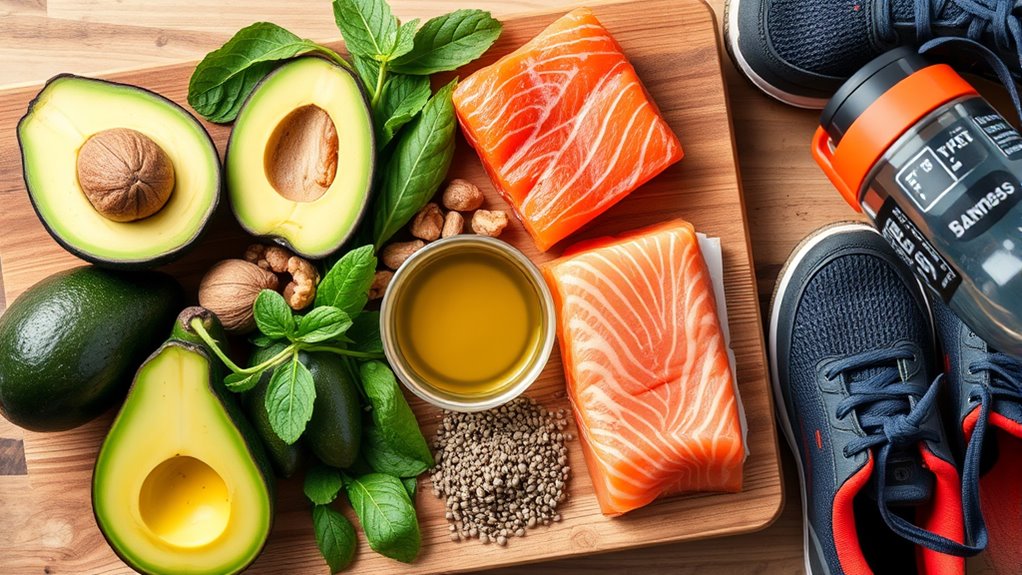
You’ll need strategic fat intake at key times to fuel your running performance, with ideal windows being 2-3 hours before training and within 30 minutes after for recovery.
To meet your daily fat needs of 20-35% of total calories, include balanced sources like avocados, nuts, and fatty fish throughout your meals and snacks.
When planning your post-run nutrition, focus on pairing healthy fats with protein-rich foods, such as adding chia seeds to your recovery smoothie or including salmon in your dinner to support muscle repair and reduce inflammation.
Strategic Fat Timing Windows
Strategic timing of fat consumption plays an essential role in optimizing young runners’ performance and recovery.
You’ll want to consume low-fiber, moderate-fat meals 2-3 hours before exercise to maintain proper fat digestion and energy balance. Avoid high-fat foods within 90 minutes of training, as they can slow carbohydrate absorption and cause stomach discomfort.
During runs lasting over 60 minutes, you can incorporate small amounts of fat through sports drinks or energy chews with MCT oil.
After exercise, combine healthy fats with carbs and protein – think peanut butter on a banana – to support muscle repair and glycogen replenishment.
Balanced Fat Food Sources
Three essential categories of healthy fats can power your running performance when chosen wisely.
You’ll find monounsaturated fats in avocados and nuts, while omega-3 polyunsaturated fats come from fatty fish like salmon. For ideal fat digestion, include unsaturated fats from olive oil and chia seeds in your daily nutrition plan.
To maximize healthy fat benefits, aim to consume 20-35% of your daily calories from these sources.
Incorporate whole foods like walnuts and pumpkin seeds for antioxidants, and don’t forget protein-rich options like Greek yogurt. These choices support sustained energy levels and reduce inflammation during training.
Recovery-Focused Fat Selection
Making smart fat choices after running directly impacts your recovery and performance potential.
You’ll want to focus on fat absorption strategies that include combining omega-3 rich foods like salmon or walnuts with your post-workout meals. Essential fatty acids play an essential role in muscle repair and hormone production during training.
For ideal recovery, aim to get 25-35% of your daily calories from healthy fats, emphasizing unsaturated sources.
Include 10-15g of quality fats in your recovery meals through foods like avocados, nuts, or chia seeds. Just don’t overdo it – excessive fat intake can slow carbohydrate uptake and delay your body’s glycogen replenishment. Additionally, replenishing electrolytes after exercise is crucial for optimal recovery and performance, as electrolyte imbalance can lead to fatigue and cramps.
Key Vitamins and Minerals for Growth
As a young runner, you’ll need iron to help transport oxygen throughout your body during training and races, with recommended daily intakes ranging from 8-15mg depending on your age and gender.
Your calcium needs are equally essential, requiring 1,000-1,300mg daily to support your growing bones and prevent stress fractures that can sideline your running progress.
If you’re not getting enough of these minerals from your diet, you’ll notice warning signs like fatigue and decreased performance for iron deficiency, while inadequate calcium intake can lead to weaker bones and increased injury risk.
Iron For Oxygen Transport
Iron plays an essential role in a young runner’s performance and development, serving as the cornerstone of oxygen transport throughout the body. Your ferritin levels indicate stored iron, which directly impacts your endurance and recovery.
To maintain ideal iron absorption, especially during intense training periods, focus on these key strategies:
- Take iron supplements (20-50mg daily) on an empty stomach with vitamin C-rich foods
- Monitor symptoms like persistent fatigue, reduced performance, or pale skin
- Get annual ferritin screenings, particularly if you’re a female athlete or follow a vegetarian diet
This mineral’s importance increases with training volume, making proper intake essential for your running success.
Calcium Builds Strong Bones
While running strengthens your muscles and cardiovascular system, calcium serves as the cornerstone for building and maintaining the strong bones you’ll need for peak performance.
You’ll need about 1,300mg of calcium daily to support bone density and prevent stress fractures. Dairy products like milk, yogurt, and cheese are excellent calcium sources, but if you’re following a plant-based diet, you can get calcium from leafy greens, fortified plant milks, and tofu.
Don’t forget vitamin D – it’s essential for calcium absorption. You’ll find it in fortified foods or through sensible sun exposure. Limit caffeine and processed foods, as they can interfere with calcium uptake.
Daily Meal Planning for Peak Performance
Successful daily meal planning for young runners requires careful attention to both timing and nutrient composition.
Proper meal timing and nutrient balance form the foundation of effective nutrition planning for young athletes pursuing running success.
You’ll need to focus on meal variety and portion control while maintaining proper macronutrient balance throughout the day.
- Start with a balanced breakfast 3+ hours before training, combining whole grains and fruits like oatmeal with berries.
- Pack nutrient-dense snacks for pre and post-workout fueling, such as whole-grain toast with banana or Greek yogurt with granola.
- Plan dinner to include lean protein, complex carbs, and vegetables, adjusting portions based on your workout intensity.
Remember to hydrate consistently, aiming for clear to light yellow urine throughout the day. Including complex carbohydrates in your meals and snacks will help ensure sustained energy levels for your training.
Conclusion
Just as a garden needs the right balance of sunlight, water, and nutrients to flourish, your young runner’s body requires proper nutrition and hydration to thrive. You’re now equipped with the essential knowledge to help them grow strong and perform their best. By implementing these guidelines for carbohydrates, proteins, hydration, fats, and vitamins, you’ll create the ideal environment for your young athlete to blossom into their full potential on and off the track.