


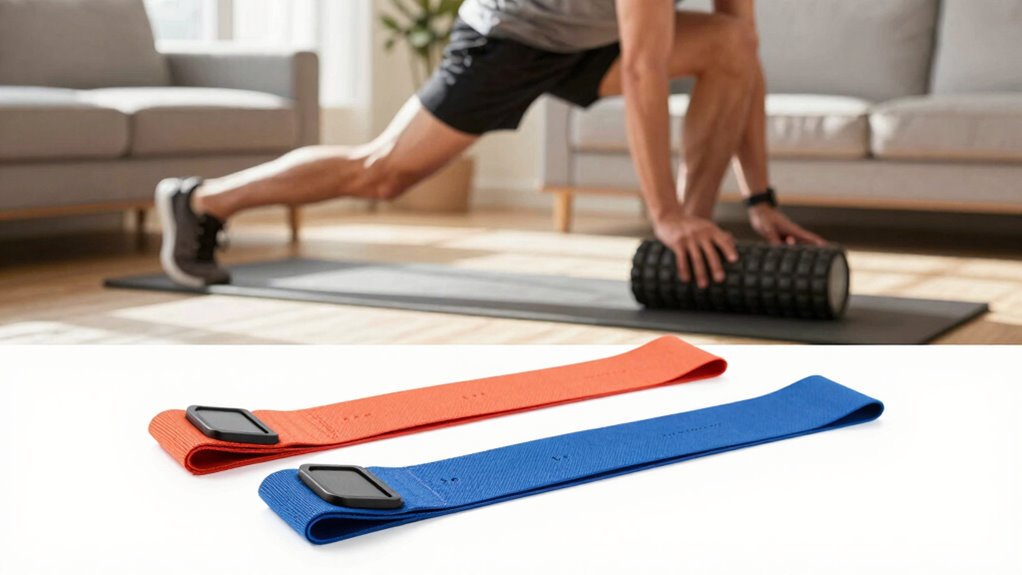
Two top stretch straps that work well for post-run mobility are the Stretching Strap with Loops (78 inches, 10 loops) and the 12-loop version (96 inches). They use non-elastic nylon for stability, offer progress-tracking loops, and include a free training guide plus a carry bag. Both are lightweight, portable, and suitable for fascia, hamstrings, and calves, with adjustable intensity and reinforced seams for durability. If you want more, you’ll find practical tips ahead.
| Stretching Strap with Loops for Flexibility and Therapy | 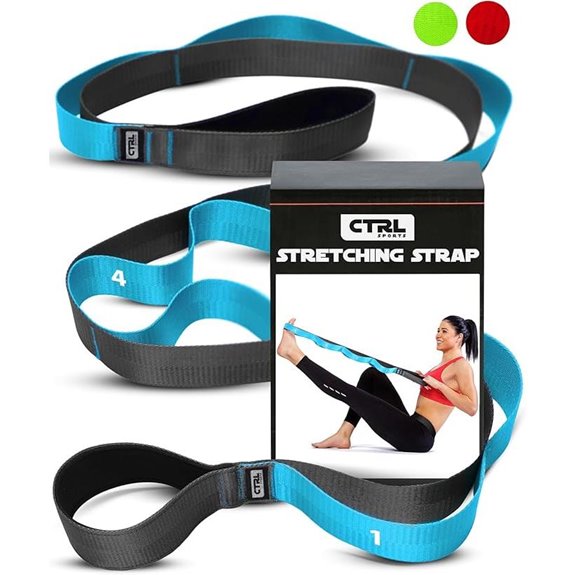 | Best Overall | Type: Stretching strap with loops | Loops: 10 loops (78 inches) or 12 loops (96 inches) | Material: Nylon | VIEW LATEST PRICE | See Our Detailed Review |
| Stretch Strap with Loops for Full-Body Stretching | 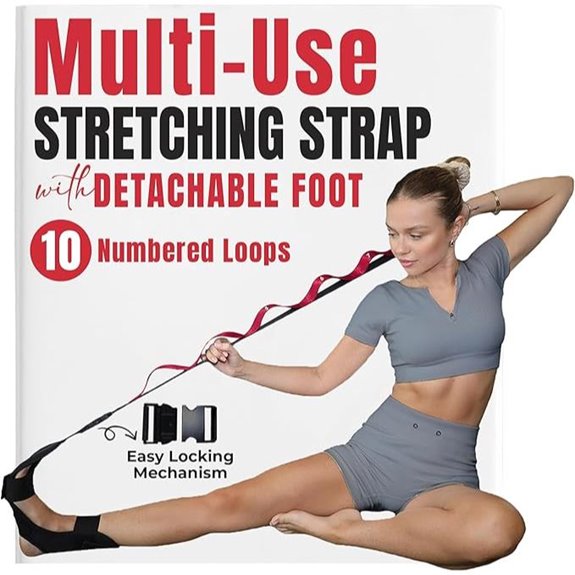 | Best for Targeted Rehab | Type: Stretch strap with loops | Loops: 10 loops | Material: Nylon | VIEW LATEST PRICE | See Our Detailed Review |

More Details on Our Top Picks
Stretching Strap with Loops for Flexibility and Therapy
If you’re after a reliable stretching aid with built-in progress tracking, the Stretching Strap with Loops is a solid pick for post-run mobility. The non-elastic nylon band supports safety and stability, with two size options: 10 loops (78 inches) or 12 loops (96 inches). It suits flex and therapy needs, including fascia, hamstrings, and legs. Each loop is numbered to help you monitor positions and control your stretches. Included resources offer a free stretching guide and a carry bag for on‑the‑go use. It’s lightweight at about 0.2 kilograms and comes in blue, marketed by CTRL Sports.
- Type:Stretching strap with loops
- Loops:10 loops (78 inches) or 12 loops (96 inches)
- Material:Nylon
- Use Case:Physical therapy, yoga, flexibility
- Included Guide:Free stretching guide
- Portability:Carry bag included
- Additional Feature:Free stretching guide
- Additional Feature:Special carry bag
- Additional Feature:Two size options
Stretch Strap with Loops for Full-Body Stretching
The Stretch Strap with Loops stands out for full-body stretching with 10 adjustable loops and a detachable foot stretcher, making it a solid choice for anyone focused on post-run mobility. You get a full-body tool designed for yoga, physical therapy, and targeting hamstrings, calves, and hips, plus a durable, non-elastic nylon fabric. It relieves pain from plantar fasciitis, Achilles tendonitis, and heel spurs while improving mobility for rehab and prevention. The adjustable loops let you customize intensity, and the lightweight, portable design fits home or travel use. Includes a free instruction guide and measures 52L x 1.5W inches. User-friendly, practical, affordable.
- Type:Stretch strap with loops
- Loops:10 loops
- Material:Nylon
- Use Case:Full-body stretching, rehabilitation
- Included Guide:Free instruction guide
- Portability:Lightweight and portable
- Additional Feature:Detachable foot stretcher
- Additional Feature:52L custom length
- Additional Feature:Lightweight and portable
Factors to Consider When Choosing Stretch Straps for Post-Run Mobility
When you choose a stretch strap, consider loop count and length to fit your height and routine, and look for options around 60–90 inches for full-body work. Check non-elastic stability to keep stretches safe, and pick a model with reinforced seams and grip handles for steady use. Think about mobility target areas, adjustable intensity, and how portable it is for travel, plus simple storage solutions and typical price ranges in the $15–$40 band.
Loop Count and Length
Loop count and strap length both shape how you perform post-run stretches. More loops give you greater adjustment and positioning options, so you can target different muscle groups without re-racking. Longer straps, like 78 or 96 inches, provide extra reach, making full-body stretches easier and more versatile during recovery. Adjustable loops let you change intensity, fitting various flexibility levels and keeping your routine tailored. A higher loop count supports simultaneous stretches across multiple muscle groups, saving time in your mobility session. Pairing a longer strap with more loops can improve stability and control, reducing the chance of slips or uneven pulls. Consider your typical stretches, space, and comfort when choosing between models. Prioritize practical features that support consistent post-run use.
Non-Elastic Stability
Non-elastic stability matters because it keeps your post-run stretches controlled and predictable. You’ll notice steadier resistance, which helps prevent overstretching and reduces injury risk during recovery. High-quality non-elastic materials, like nylon, resist wear and tear, so the strap keeps its shape after repeated use. The stability of these straps makes it easier to target specific muscle groups, improving flexibility and mobility over time. Look for adjustable loops that let you tailor stretch intensity, so you can find the right position for your body and needs. Non-elastic straps are especially useful for rehab, promoting safe, controlled stretching essential for recovery and injury prevention. Expect durable construction, clear sizing, and a price that fits most budgets.
Mobility Target Areas
A good stretch strap should cover key mobility targets after a run, especially the hamstrings, calves, and hips, because these areas often tighten with effort and impact. When you choose one, look for bands that reliably target those zones with easy-to-use loops and comfortable grip. Stretching straps can improve lower-body flexibility, reducing common running injuries, so pick a model with adjustable loops for customized stretches. Also consider options that include plantar fascia and Achilles tendon focus to ease foot discomfort and promote better foot health. Regular use helps blood flow and soreness reduction, aiding quicker recovery after runs. Look for durable materials, a reasonable price, and clear sizing so you know it fits your body and routine.
Adjustable Intensity
Adjustable intensity matters because it lets you tailor stretches as you improve, which helps you avoid overdoing it and reduces the risk of re-injury. With stretch straps, you can change tension as your flexibility grows. Many straps have multiple loops or attachment points, so you pick different positions for varying stretch levels during post-run mobility. By using adjustable tension, you control your range of motion and prevent pushing too far, which supports safer recovery after a run. This feature also fits different fitness levels, making it useful for beginners and seasoned athletes alike. Modifying intensity can lead to better muscle recovery and improved overall mobility, helping you keep a consistent running routine without added strain or guesswork.
Portability and Storage
Portability and storage matter because you’ll likely take a stretch strap to the gym, on trips, or outdoors, so a lighter, compact option is a smart pick. Look for straps that come with carry bags, because they simplify storage and make it easy to transport. The compact dimensions, especially when folded or rolled, determine how well it fits in gym bags or luggage. Choose designs with adjustable loops and a detachable foot stretcher to customize your setup without bulky parts, boosting portability. Check material durability; high-quality, non-elastic fabrics hold up during travel and regular use. Lightweight builds, included pouches, and smart folding reduce bulk, making your post-run routine easier to carry anywhere you train.
Included Training Guide
Many stretch straps come with a free training guide that walks you through step-by-step stretches for key muscle groups to boost post-run mobility. A quality guide provides clear, numbered instructions for stretches that target hips, hamstrings, calves, and lower back, helping you recover faster. It should cover essential stretches that improve flexibility, range of motion, and help prevent injuries during recovery after running. Look for guides that include modifications for different skill levels, so beginners and experienced runners can use them. Including a training guide helps you understand how to effectively use the stretch strap to maximize benefits and achieve better results. Following the exercises, you can address tightness and discomfort efficiently.
Durability Standards
Durability standards matter when choosing a stretch strap for post-run mobility. When you pick, check the material; high-quality nylon is known for durability, so the strap withstands regular use without fraying or breaking. Look for straps that specify non-elastic properties, since they provide more controlled stretches and keep their shape over time. A sturdy design with reinforced stitching greatly enhances longevity, making it suitable for everyday exercises and intense sessions. Check weight specifications, as lighter straps are more portable, but heavier options may indicate a tougher construction. Reviewing product rankings helps gauge durability, because higher-ranked items typically show strong customer satisfaction on performance and longevity. Consider price in relation to build and warranty to balance value and assurance.
Accessibility for All Levels
When choosing stretch straps for post-run mobility, accessibility for all levels means looking for adjustable loops that fit beginners and advanced athletes alike, so you can customize stretch intensity and positioning. The straps should include a clear instruction guide with step-by-step exercises that target different muscle groups, ensuring access for users new to stretching. Use materials like high-quality non-elastic nylon for durability and stability, so daily use stays reliable for everyone. Consider strap size and multiple loop configurations to track progress and refine positions as you improve. Lightweight, portable designs help you stretch at home or on the go, boosting consistency. A fair price and trusted brand support make long-term use practical for all fitness levels.
Frequently Asked Questions
How Do I Clean Stretch Straps After Sweaty Use?
To clean stretch straps after sweaty use, wipe with a damp cloth, then wash by hand in warm soapy water, scrubbing lightly on straps and handles. Rinse well, air-dry away from direct heat, and avoid chlorine or harsh cleaners. If your strap has friction beads, dry between components to prevent mold. For tougher smells, soak briefly in a mild detergent solution, rinse, and air-dry completely before storage. Regular cleaning extends lifespan and grip.
Can Beginners Safely Use Loop Straps for Tight Hamstrings?
Yes, beginners can safely use loop straps for tight hamstrings, as long as you follow proper technique. Start with a light resistance and a comfortable range of motion, never forcing a stretch. Use the loop to gently anchor around your foot or a stable handle, keep your back straight, and breathe evenly. Hold 15–30 seconds, repeat 2–3 times, and progress gradually. Check product specs for length (about 6–8 ft) and price, around $15–25.
Are Straps Safe for Pregnancy-Related Mobility Work?
Yes, straps can be safe for pregnancy mobility work, but you should use caution and follow guidance from your clinician. Choose a strap with a comfortable width, sturdy clips, and adjustable length, ideally 6–8 feet, and avoid deep stretches or load-bearing poses. Start gently, hold 15–30 seconds, and limit sessions to 2–3 times weekly. Stop if you feel pain, dizziness, or shortness of breath, and consult your provider for personalized limits.
Which Strap Length Suits Tall Runners Best?
A 84-inch strap usually fits tall runners best, giving you extra reach without pulling. If you prefer adjustable options, choose models with 1.5 to 2.0 meter ranges and locking buckles, then slip a long loop through as needed. Look for grips that stay comfy, bounce-free webbing, and a price around $15–$25. If you’re between lengths, pick the longer version for versatility and easier post-run mobility.
How Long Before Results From Post-Run Stretching Appear?
You’ll start seeing benefits in as little as a few weeks with consistent post-run stretching. Aim for 3–5 sessions weekly, each 10–15 minutes, focusing on hips, calves, and hamstrings. Progress comes from gradual holds of 20–45 seconds and gentle resistance, not fast reps. You’ll notice improved flexibility, less tightness, and quicker recovery. Track daily, stay hydrated, and pair with a balanced cooldown for steady, practical results.
Wrapping It Up
You’ll finish with a clear choice: the best stretch straps for post-run mobility are simple, durable, and easy to use. Look for loops that fit your range, non-elastic stability, and a portable design you can carry or store. Check included training guides and durability standards, plus the right length and loop count for your body. Compare price points and read real-world reviews to confirm value. Choose the strap that meets your routine and budget, and start your cooldown confidently.