



Running games offer your kids an exciting way to develop physical fitness, social skills, and emotional well-being through structured activities like “Red Light, Green Light” and team-based relays. You’ll find these games enhance muscle strength, coordination, and cardiovascular health while building self-confidence through measurable progress. By incorporating creative themes, safety protocols, and age-appropriate modifications, you can transform routine exercise into dynamic adventures. Discover how these engaging activities can shape your child’s growth and development.
Why Running Games Matter for Child Development


While many parents view running games as simple childhood fun, these activities play a crucial role in children’s physical, mental, and emotional development. The running benefits extend far beyond basic exercise, strengthening your child’s muscles, bones, and cardiovascular system through dynamic movement patterns.
When you encourage child engagement in running activities, you’re helping build their motor skills and coordination while reducing their risk of obesity.
You’ll notice improvements in their stamina and endurance as they participate in structured running games. Additionally, these activities boost their mental wellbeing by releasing stress-reducing endorphins and building self-confidence through measurable progress.
Team-Based Running Activities That Build Social Skills
Team-based running activities provide essential opportunities for children to build trust and social bonds while developing their athletic abilities.
You’ll find that partner racing and relay games teach kids invaluable lessons about depending on teammates, celebrating shared victories, and supporting each other through challenges.
Building Trust Through Relays
Building trust among young runners requires structured relay activities that combine physical movement with social skill development.
You’ll find that trust exercises like the “Human Chain” and “Blind Square” relay foster mutual dependence through synchronized movement and non-verbal communication. These relay strategies encourage teammates to rely on each other’s timing and coordination while working toward shared objectives.
Consider incorporating role rotation in your relay activities, where runners alternate between different positions.
This approach helps develop empathy and understanding among team members while building confidence in each other’s abilities through hands-on experience and shared responsibility.
Partner Racing Success Tips
Successful partner racing activities depend heavily on thoughtfully designed social interactions that naturally emerge through movement.
By combining competitive spirit with partner encouragement, you’ll create an environment where children develop both athletic and social skills.
- Pair runners of varying abilities to foster mutual support and adaptive pacing strategies
- Implement checkpoint challenges where partners must solve problems together before advancing
- Design relay variations that require clear communication and synchronized movements
- Structure post-activity discussions to highlight successful teamwork moments and areas for growth
These partnerships help children learn to balance personal achievement with group success, creating lasting lessons in cooperation and athletic development.
Fostering Healthy Team Competition
While physical activity forms the foundation of running games, the real magic happens when you incorporate structured team competitions that naturally build social skills. Structure activities that develop team dynamics and competitive spirit through purposeful collaboration.
| Activity Type | Benefits for Team Development |
|---|---|
| Pod Relays | Builds peer accountability |
| Duo Obstacles | Enhances partner communication |
| Mixed-Skill Relays | Develops leadership qualities |
| Color-Coded Zones | Strengthens group coordination |
Incorporate challenges like dodgeball and water balloon tag to foster quick decision-making while maintaining a supportive environment. These activities help children learn to balance competitive drive with teamwork, creating an engaging atmosphere where everyone contributes to collective success.
Quick and Easy Running Games for Playground Fun
Getting kids moving on the playground doesn’t need complicated equipment or extensive setup time. These running game variations and playground sprint challenges keep children engaged while developing speed and agility.
- “Red Light, Green Light” tests reaction time and self-control while building sprint skills.
- “Animals Laps” teaches pace variation through creative cone-marked zones.
- “Band-Aid Tag” maintains activity levels even after being tagged.
- “Shark Tag” combines strategic movement with interval training.
Transform ordinary recess into dynamic training sessions with these games that naturally incorporate speed development, coordination, and teamwork.
They’re perfect for physical education teachers or playground supervisors seeking quick-to-implement activities.
Creative Ways to Make Running Exciting for Kids
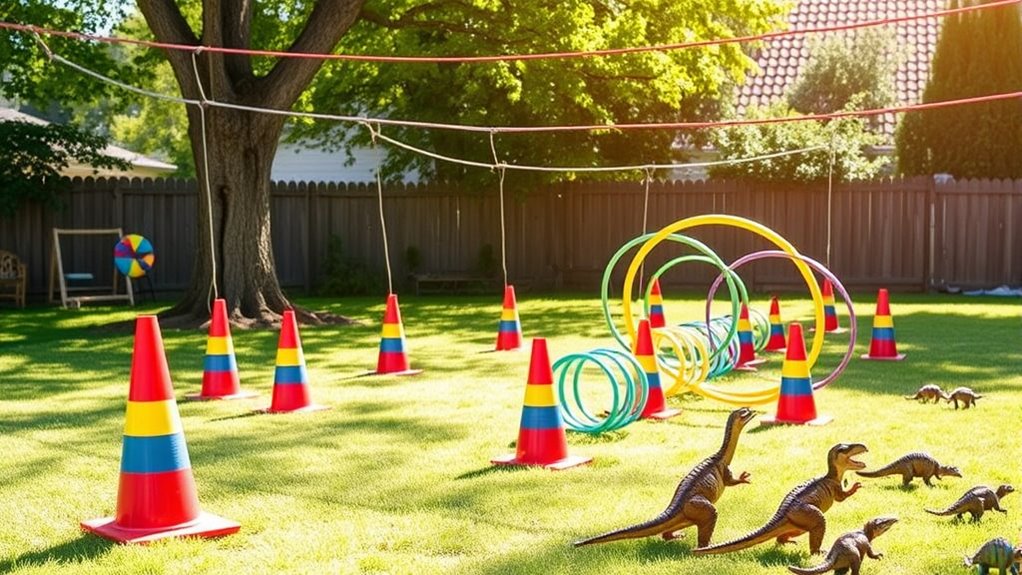
Transform running from a mundane exercise into an exciting adventure by incorporating creative games that make physical activity feel natural and fun.
You’ll find that kids naturally embrace running when it’s woven into engaging activities like treasure hunts, narrative-driven challenges, or team-based competitions that spark their imagination and competitive spirit.
Make Running Feel Natural
Since running can feel like a chore to many children, turning it into an engaging adventure transforms the experience into something they’ll naturally embrace.
Through playful exploration and natural movement patterns, you can help kids discover the joy of running.
- Integrate running into scavenger hunts where children sprint between clues, making movement part of discovery.
- Mix various running styles like skipping and hopping to mirror natural play patterns.
- Use music-driven activities that sync with children’s innate rhythm and energy.
- Create team challenges that encourage spontaneous bursts of speed through games like tag.
These approaches help children develop a lasting, positive relationship with running activities.
Turn Exercise Into Play
When children engage in team-based games and skill-oriented activities, running becomes an exciting byproduct rather than the main focus.
You’ll find that classic games like Capture the Flag and Sharks and Minnows naturally incorporate running benefits while keeping kids engaged through playful fitness challenges.
Water Balloon Dodgeball adds an invigorating twist that makes physical activity more appealing, especially on warm days.
Team-based activities like Pony Express and Build a Chain develop coordination while encouraging strategic movement.
For added mental stimulation, incorporate scavenger hunts that combine problem-solving skills with active exploration, making exercise feel like an adventure rather than a workout.
Build Running-Based Adventures
Building running-based adventures transforms everyday exercise into thrilling quests that captivate children’s imaginations. By combining obstacle course challenges, scavenger hunts, and themed adventures, you’ll create dynamic experiences that make fitness fun and engaging.
- Create pirate-themed trails with treasure maps and checkpoints to spark exploration.
- Design interactive challenges like style-switching laps and catch-and-change games.
- Implement progressive distance incentives through badges and achievement systems.
- Develop team-based scavenger hunts with time limits and creative photo challenges.
These structured activities provide purposeful movement while fostering creativity, teamwork, and a lasting enthusiasm for physical activity.
Mix and match elements to maintain fresh, exciting experiences.
Safety Tips and Best Practices for Running Games
Although running games provide excellent exercise for children, implementing proper safety measures remains essential for preventing injuries and guaranteeing positive experiences.
Running activities energize and engage children, but smart safety protocols must be in place to ensure everyone stays injury-free and enjoys the experience.
You’ll need to establish clear safety protocols, including adult supervision, proper grouping of skill levels, and consistent monitoring for signs of fatigue.
Injury prevention starts with thorough warm-ups and dynamic stretches targeting key muscle groups.
Don’t forget to make sure children properly hydrate before and after activities.
Enforce race rules like keeping walkers behind runners to avoid collisions, and always conduct pre-activity briefings to review emergency procedures.
Stop activities immediately if any child shows signs of pain or discomfort.
Adapting Running Activities for Different Age Groups
Different age groups require unique adaptations of running activities to match their physical abilities and cognitive development.
When implementing age appropriate adaptations, consider these essential running game variations:
- Preschoolers (3-5) thrive with simplified scavenger hunts and follow-the-leader activities that incorporate basic movements.
- Early school-age children (6-8) engage well with team-based relays and structured games that combine running with basic strategy.
- Pre-teens (9-11) benefit from more complex activities like interval training and competitive team challenges.
- All age groups need clear instructions, appropriate supervision, and modifications that account for their specific motor skills and attention spans.
Incorporating Stories and Themes Into Running Games
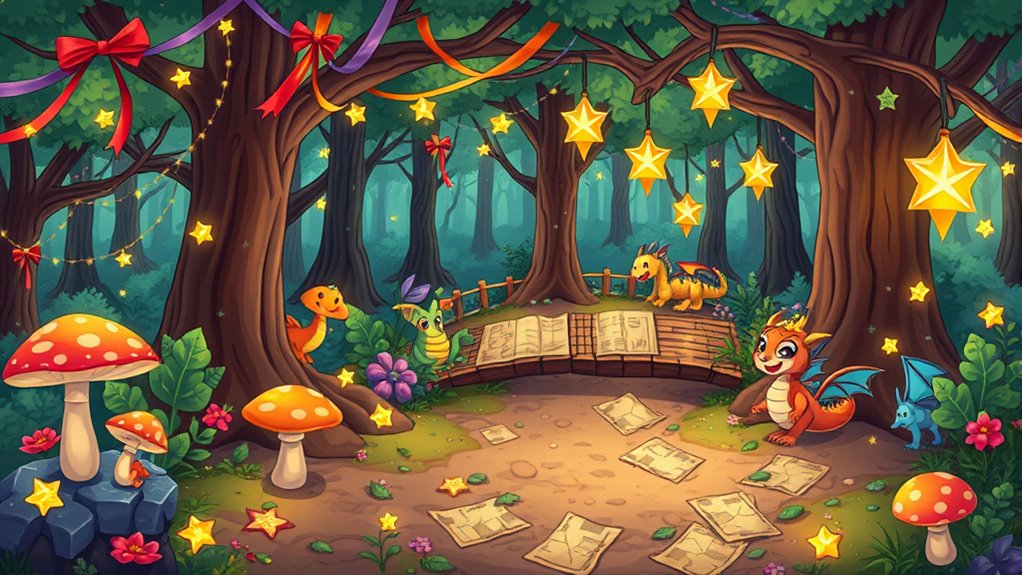
Transforming traditional running games into imaginative adventures helps children stay engaged while developing their physical abilities.
Through story integration, you can create themed obstacle courses like ghost hunter trails or space mission routes that challenge kids both physically and mentally. Theme exploration adds excitement as children navigate pirate treasure hunts or set out on superhero challenges.
You’ll enhance the experience by incorporating collaborative storytelling elements – have runners pass creative phrases during relays or solve themed riddles along the course.
Musical narratives can guide the pace, while role-playing scenarios like “zombie apocalypse” chain chases turn simple running games into unforgettable adventures.
Conclusion
Running games provide powerful pathways for your child’s physical and personal growth. You’ll see sprinting students strengthen social skills, build better bonds, and boost their bodies through these playful pursuits. Whether you’re organizing team activities or telling tales during tag, you’re creating memorable moments that matter. By implementing these ideas and safety strategies, you’ll help develop dynamic, daring, and determined young runners who’ll treasure these active adventures for years to come.