
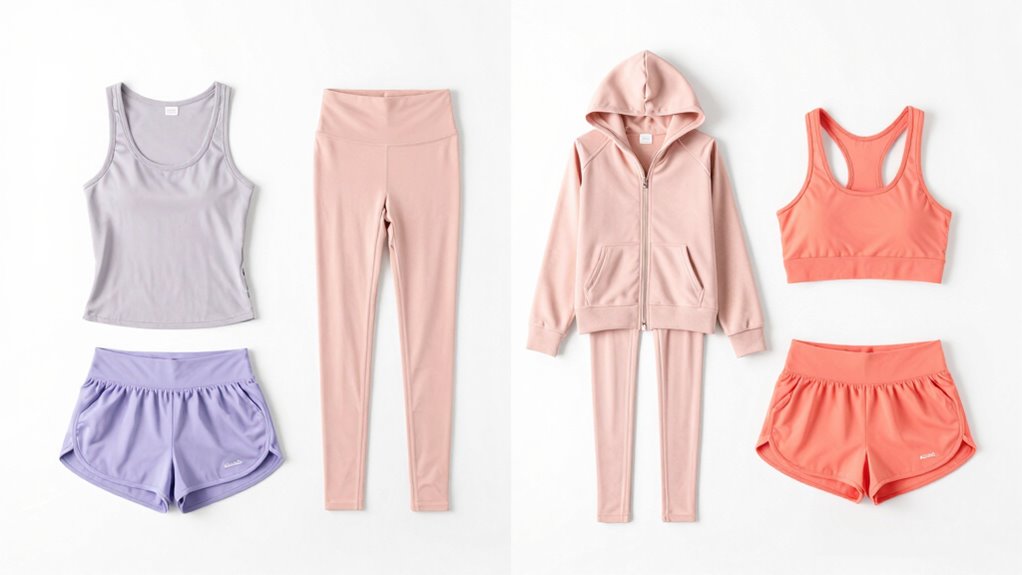
You’ll build a practical seasonal activewear plan by choosing fabrics and layers for comfort and performance: lightweight, moisture‑wicking synthetics and mesh for summer; insulating fleeces, thermal blends and layered shells for winter; adaptable moisture‑wicking base layers and breathable midlayers for spring and fall. Assemble a 12‑piece capsule with two leggings, tops, a supportive bra and a breathable outer layer, plus activity kits for running, hiking, studio and travel. Continue for detailed outfit and shopping guidance.
Best Fabrics for Athleisure by Season
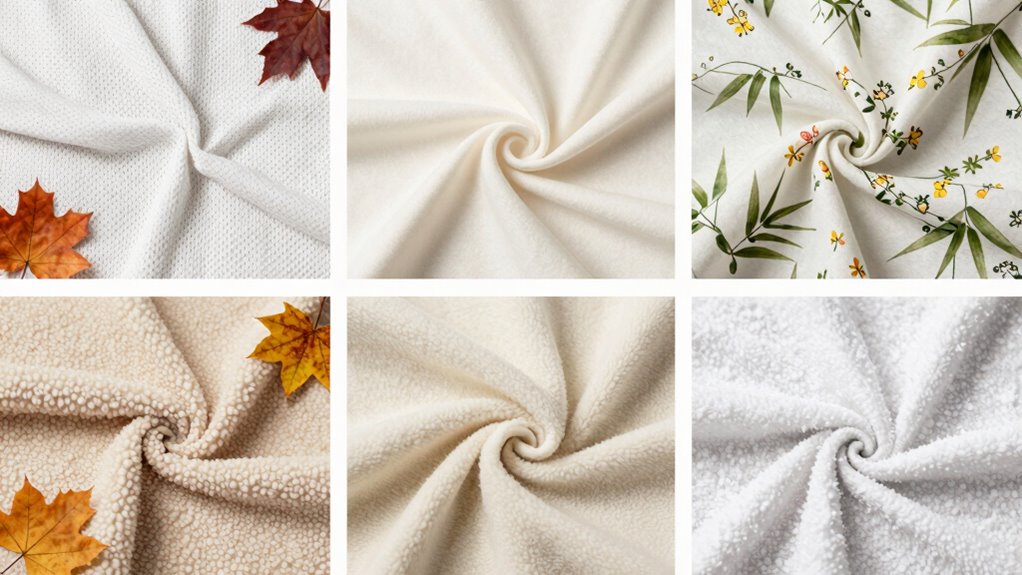
When you’re choosing athleisure for different seasons, pick fabrics that match the temperature and activity level so you stay comfortable and perform well.
For summer, opt for lightweight synthetics like mesh and microfiber polyester; these breathable fabrics and moisture-wicking fabrics pull sweat away from your skin and allow air flow so you stay cool during intense workouts.
For summer, choose lightweight mesh and microfiber polyester—breathable, moisture-wicking fabrics that pull sweat away and keep you cool.
In winter, choose insulating materials such as fleece and thermal blends that trap warmth yet remain breathable to prevent overheating during movement.
For spring and fall, use moisture-wicking base layers paired with breathable mid-layers to adapt to fluctuating temperatures.
Quick-drying technologies like polypropylene add value across seasons by reducing dampness and improving comfort during high-intensity activity or variable weather conditions.
Build a 12‑Piece Year‑Round Activewear Capsule
After choosing season-appropriate fabrics, it helps to assemble a compact, 12-piece activewear capsule that covers workouts, errands, and casual wear year-round. You’ll pick two pairs of quality leggings—one high-support for intense sessions, one softer for everyday wear—plus moisture-wicking tank tops and layered tops in fitted and oversized cuts for versatility. Add a breathable outer layer, a lightweight jacket, and a supportive sports bra to round out functional needs. Aim for a cohesive color palette so pieces mix easily and extend outfit options across seasons. Consider selecting garments made from sustainable materials to reduce environmental impact.
| Core Bottoms | Core Tops | Essentials |
|---|---|---|
| Performance leggings | Moisture-wicking tanks | Lightweight jacket |
| Casual leggings | Fitted tee | Supportive sports bra |
| Shorts or skirt | Oversized hoodie | Neutral accessories |
This structure simplifies your workout wardrobe planning.
Spring Style Rules: Lightweight Layers & Transition Pieces
For spring, choose lightweight adaptable jackets—like cropped windbreakers or packable shells—that you can easily add or remove as temperatures shift.
Pair those jackets with versatile layering staples such as moisture-wicking base layers and breathable long-sleeve tops to create outfits that work for both workouts and errands.
Focus on fabrics like mesh and technical knits so each piece stays comfortable, breathable, and ready to adapt throughout the day.
Lightweight Transitional Jackets
Although spring weather can swing from cool mornings to warm afternoons, a lightweight changeable jacket will keep you comfortable and polished across the day’s alterations.
Choose lightweight transitional jackets that layer easily over a tee or your favorite workout gear; moisture-wicking fabrics help regulate sweat during walks or outdoor training.
Windbreakers and cropped jackets bridge gym-to-street style, offering mobility for workouts and a neat silhouette for errands.
Prioritize breathable materials and functional details like secure pockets and adjustable hems so you can stash keys and block breezes without bulk.
You’ll find options across budgets—many reputable brands price these pieces between $50 and $150—so pick one that matches your activity level, climate needs, and personal aesthetic.
Featured products often include versatile unisex styles and multiple product variants to suit different preferences.
Versatile Layering Staples
When spring shifts between cool mornings and warmer afternoons, you’ll rely on lightweight layering staples to stay comfortable and polished without feeling weighed down.
Build a capsule of breathable long-sleeve tops, moisture-wicking tees, and versatile cardigans that slip easily over activewear. Choose lightweight layers in cotton blends or technical polyester to regulate temperature during walks, runs, or studio sessions.
Neutral base colors let you mix and match pieces quickly, while cropped hoodies and lightweight vests add both function and style when temperatures spike.
Prioritize thin, packable fabrics and streamlined silhouettes so layers don’t bulk under jackets. You’ll want items that dry fast, move with you, and shift seamlessly from outdoor warm-ups to errands, creating an efficient, adaptable spring activewear system.
Consider integrating recycled polyester into your capsule to support sustainable, moisture-managing performance fabrics.
Summer Essentials: Breathable Tops & Water‑Ready Shoes
If you want to stay cool and confident during summer workouts and casual outings, choose breathable tops and water-ready shoes that balance comfort, performance, and style.
You’ll want breathable tops—lightweight, moisture-wicking tanks and sports bras made from mesh or lightweight synthetics—to enhance air circulation and wick sweat, often available on sale around $23 or less.
Pair them with water-ready shoes that offer traction and comfort for kayaking, beach walks, or dockside errands.
- Select moisture-wicking tanks and sports bras for workouts and social wear.
- Choose water shoes with reliable grip and quick-dry materials for water activities.
- Keep a lightweight outer layer handy to add or remove as temperatures shift.
These choices keep you comfortable, functional, and stylish all summer. Consider adding a lightweight running cap with a built-in sweatband to manage moisture and protect your face.
Autumn Layering: Warm, Breathable Midlayers & Trail Gear
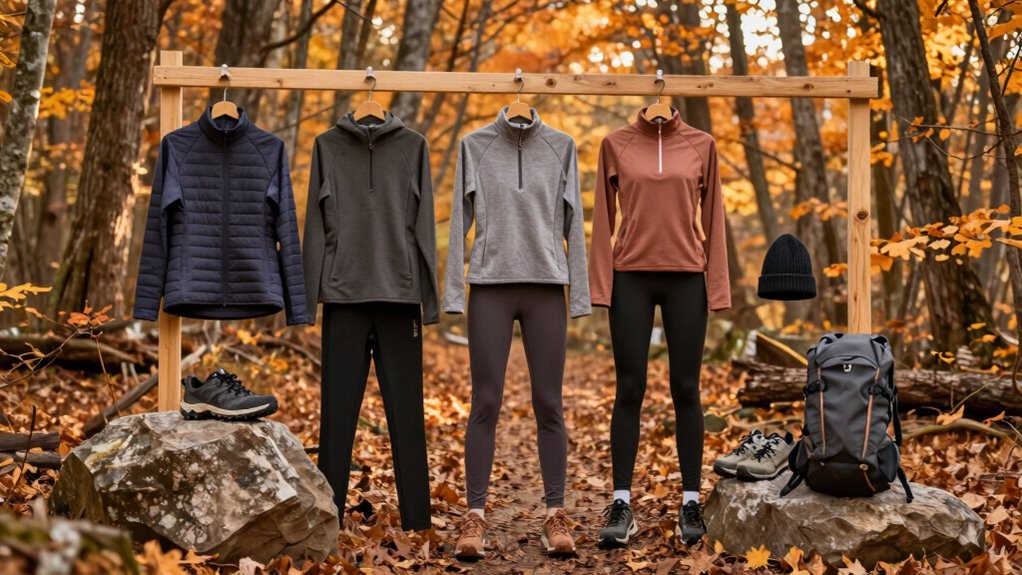
When temperatures swing in autumn, you’ll want warm midlayers made from breathable, moisture-wicking fabrics—like lightweight fleece or thermal knits—that trap heat without adding bulk.
Pair those midlayers with trail-ready shells that are windproof and water-resistant so you can move confidently in changing weather.
Choosing pieces that balance insulation, breathability, and packability will keep you comfortable on the trail and make layering simple.
Effective hydration and nutrition strategies, including hydration systems, are essential for supporting longer autumn runs and recovery.
Warm Midlayer Fabrics
Choose midlayer fabrics that balance warmth, breathability, and mobility so you stay comfortable across variable autumn conditions.
For warm midlayer fabrics, prioritize merino wool and modern synthetic blends that wick away sweat while providing reliable insulation.
Look for four-way stretch and lightweight construction so you can move freely on hikes or trail runs.
Breathable midlayers help regulate temperature during activity and brief stops.
- Merino wool: natural insulation, odor control, moisture management.
- Synthetic blends: quick-drying, durable, often water-repellent finishes.
- Fleece-lined pullovers: cozy warmth with good ventilation.
Select pieces with wind resistance or DWR treatments for unexpected weather.
Choose layers that combine function and fit to maintain comfort during fluctuating autumn conditions.
Trail-Ready Shells
After you’ve picked midlayers that manage moisture and movement, add a trail-ready shell to protect those layers from wind and wet weather without trapping heat. You’ll want a waterproof, breathable shell that complements your workout clothes and helps keep you cool during variable autumn hikes. Choose adjustable hoods, ventilated panels, and moisture-wicking liners to balance protection and airflow. Lightweight nylon or polyester gives durability and packability so you can stow the shell when temperatures rise. Layering breathable midlayers beneath the shell lets you regulate temperature and stay comfortable on steep climbs or windy ridgelines. Here’s a quick comparison to visualize options:
| Feature | Benefit | When to Use |
|---|---|---|
| Adjustable hood | Fits headgear, seals out wind | Stormy conditions |
| Vent panels | Improve airflow | High-exertion hikes |
| Waterproof fabric | Blocks rain | Wet weather |
| Lightweight nylon | Packs small | Variable temps |
Winter Picks: Insulated Hoodies, Fleece Joggers & Weatherproof Jackets
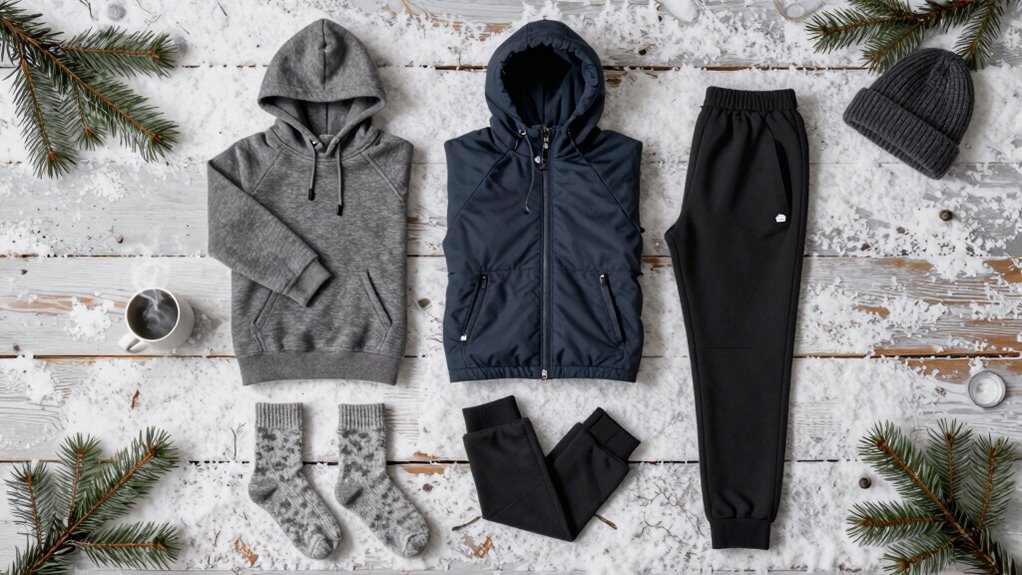
Cold-weather training demands gear that balances warmth, moisture management, and mobility, so insulated hoodies, fleece joggers, and weatherproof jackets should be thought of as complementary layers rather than standalone pieces.
You’ll rely on insulated hoodies for core warmth while they wick moisture and remain breathable during exertion. Fleece joggers give soft-lined comfort that traps heat and supports movement for workouts or downtime.
Weatherproof jackets complete the system, using materials like GORE-TEX to block wind and rain without sacrificing durability. Layer lightweight base pieces under insulated layers to fine-tune thermal regulation.
Choose reflective details on joggers and hoodies for low-light safety.
Consider these three essentials when building a winter kit:
- Insulated hoodies, fleece joggers for warmth and mobility
- Lightweight base layers for moisture control
- Weatherproof jackets for wind and rain protection
Work‑Ready Athleisure: Stretchy Pants and Polished Styling Tips
One essential piece for modern work-ready athleisure is a pair of stretchy work pants that look polished while allowing full range of motion during your day.
You’ll find that stretchy work pants crafted from lightweight, moisture-wicking fabrics keep you cool in summer and maintain a professional silhouette for hybrid or remote meetings.
Pair them with an elegant tank and add a tailored blazer to move effortlessly from desk to after-work plans.
Choose neutral colors and clean lines to preserve a refined appearance, then incorporate subtle statement jewelry or chic shoes to elevate the outfit without sacrificing comfort.
These versatile pieces bridge workout wear and office-ready attire, enabling seamless shifts between focused work and social activities.
Activity Kits: Running, Hiking, Studio & Travel Outfits
Build four core activity kits—running, hiking, studio, and travel—to make outfit decisions faster and guarantee you’re prepared for any movement or environment.
For running, choose moisture-wicking tank tops and high-performance leggings from trusted brands for breathability and support.
For hiking, pick lightweight, quick-drying trousers and breathable tops that resist abrasion and dry fast on trails.
For studio attire, select versatile leggings and stylish crop tops that offer flexibility and a polished look for classes.
For travel, favor wrinkle-resistant pieces like baggy sweatpants and cropped tanks that shift from airport to activity.
Layer with lightweight jackets or zip-up hoodies to adapt to temperature changes.
Maintain a kit checklist so you always grab functional, comfortable pieces.
- Running essentials
- Hiking basics
- Studio attire and travel staples
Seasonal Shopping Checklist & Budget Picks
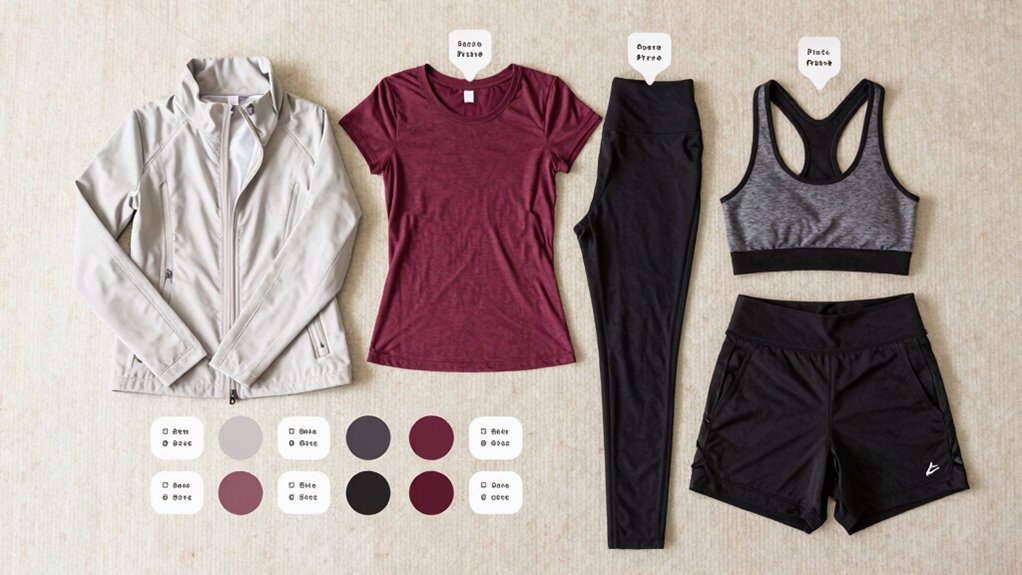
Now that you’ve assembled reliable activity kits for running, hiking, studio classes, and travel, it’s time to refine what you buy each season so your wardrobe stays functional and cost-effective.
Use a seasonal shopping checklist to prioritize breathable, moisture-wicking fabrics—mesh and microfiber polyester—for summer comfort. Add UV-protective accessories and a lightweight jacket to cover changing needs.
Pick versatile pieces like stretchy work pants (about $98) that move from gym to errands. For budget picks, look for tank tops around $23, with clearance finds near $11 to update your rotation affordably.
Consider trusted brands such as Adanola and Vuori for quality and style. Review the checklist before purchases to limit impulse buys and maximize value each season.
Wrapping It Up
You’ve got a year’s worth of activewear wisdom and still don’t need a closet the size of a gym. Use breathable fabrics in summer, insulating layers in winter, and versatile neutrals for work-ready looks. Build a 12-piece capsule that mixes technical pieces for running, hiking, studio classes, and travel, then shop seasonally with a budget in mind. Follow the guide and you’ll be prepared—without turning your wardrobe into a full retail display.
I leave before sunrise for class and then end up walking home in hot afternoon weather, so I’m stuck between a lightweight transitional jacket and one more breathable layer. For that kind of commute, which would make more sense to grab first?
A lightweight transitional jacket is the better first pick if you need one piece to bridge cool mornings and warmer afternoons. It gives you a little coverage on the way out, but you can still take it off and stow it once the day heats up. If you already have a basic outer layer, then adding a breathable midlayer is the next useful step.