
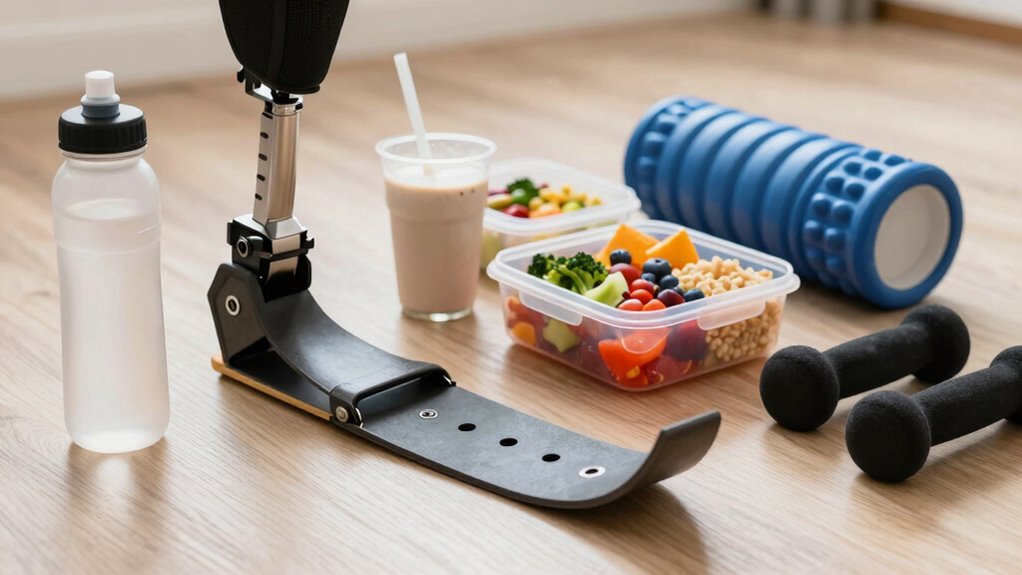
You should match nutrition and recovery to your impairment, body composition, and training load: prioritize 1 g/kg carbohydrates in the first hour post-session, aim for 6–10 g/kg/day carbs, and target 1.6–2.0 g/kg/day protein with a post-exercise dose within 30 minutes. Rehydrate with ~150% of fluid lost, monitor urine color, and optimize vitamin D, iron, and magnesium. Consider evidence‑based supplements like HMB, omega‑3s, and collagen for muscle and tendon support. Continue for practical meal plans and monitoring guidance.
Quick Recovery Checklist for Adaptive Athletes
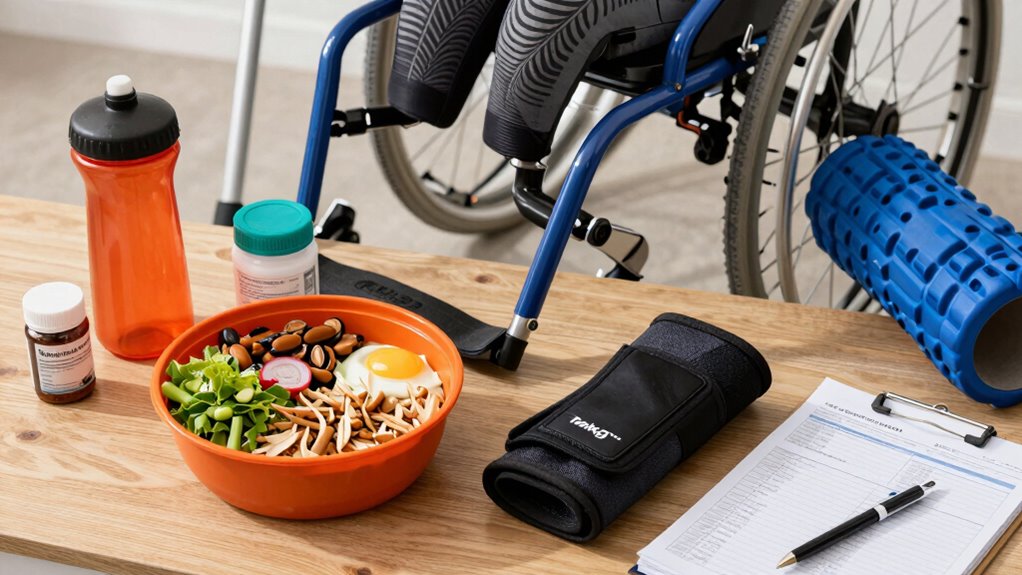
When you finish a session, act quickly to give your body the building blocks it needs to recover: aim to consume about 1 g of carbohydrate per kg of body weight within the first hour to begin replenishing muscle glycogen, pair that with adequate protein (targeting 1.6–2.0 g/kg daily distributed across meals) to support repair and synthesis, and rehydrate by taking in roughly 150% of the fluid you lost during exercise to restore volume and reduce soreness.
After that initial hour, continue balanced nutrition focusing on carbohydrates and protein to sustain recovery. Track fluid and electrolyte replacement, and monitor energy intake to avoid low availability.
Consider evidence-based anti-inflammatory supplements like fish oil and curcumin to reduce post-exercise soreness.
Runners should also ensure they meet individualized protein targets based on training load, since many athletes fail to meet daily protein requirements.
Calculate Energy: REE, TEE, and Adjustments
Because resting metabolism and movement-related expenditure can differ widely across impairments and training phases, calculating energy needs for adaptive athletes starts with precise measurement of Resting Energy Expenditure (REE) and then builds outward to Total Energy Expenditure (TEE) and sport-specific adjustments.
Because resting metabolism varies with impairment and training, calculate REE precisely, then build to TEE and sport adjustments
You should measure REE directly when possible or use validated equations adjusted for muscle mass and impairment type; Paralympic averages show females ~1,386 ± 258 kcal/day and males ~1,686 ± 302 kcal/day, with lower REE in many spinal cord injuries (~1,366 ± 241 kcal/day).
From REE, add exercise energy expenditure and the thermic effect of food to estimate TEE, then refine for training volume and competition.
Monitor intake to prevent low energy availability; inadequate carbs and excess fat are common and impair recovery.
Structure Carbs for Training and Glycogen
You should aim for 45–65% of your daily calories from carbohydrates and target intake around training days to support performance and recovery.
Consume easily digestible carbs before sessions for fuel and prioritize a prompt post-exercise window—about 1 g/kg body weight per hour for the first four hours—to maximize muscle glycogen repletion.
Pairing carbs with protein (roughly a 4:1 ratio) after workouts further enhances glycogen restoration and supports muscle repair.
Glycogen is stored in muscles and liver and its levels directly impact energy during runs, so monitor glycogen stores to prevent depletion and sustain performance.
Daily Carbohydrate Targets
Although training demands vary day to day, targeting 6–10 g of carbohydrate per kilogram of body weight daily gives most adaptive athletes a practical range to support glycogen stores and fuel performance.
You should adjust carbohydrate intake within that window based on session intensity and duration, prioritizing higher amounts on long or high-intensity days.
Monitor total daily carbs to preserve energy availability; chronic underfueling can impair performance and recovery.
Use a mix of whole grains, fruits, and starchy vegetables to meet targets while supplying vitamins and minerals that aid restoration.
Track portions and training load to fine-tune needs, and plan meals so pre- and post-session carbs are emphasized.
Regular assessment helps you avoid deficits and maintain consistent glycogen replenishment.
Also consider electrolyte intake during long sessions to preserve fluid balance and prevent performance-sapping issues like cramps and dizziness, especially by ensuring adequate sodium and chloride in your hydration plan.
Pre-Training Carb Timing
A targeted pre-training carbohydrate strategy can help you enter a session with topped-up glycogen and steadier blood glucose, which often translates to better endurance and power output.
Consume 1–4 g/kg of carbohydrate intake 1–4 hours before training, adjusting toward the higher end for longer or more intense sessions. Pairing carbs with a small amount of protein in that meal supports muscle recovery and can blunt excessive glycogen use during exercise.
Keep fluids with your pre-training snack or meal to aid nutrient transport and maintain performance. If you train early, choose easily digestible sources—bananas, oats, or a smoothie—and test timing in practice so you know what suits your digestion.
Monitor responses and adjust grams and timing to match your event demands. For many athletes, following the guideline of a meal composed of roughly 70% carbs helps provide steady energy and reduce gastrointestinal issues.
Post-Exercise Glycogen Repletion
When training depletes your glycogen stores, timely carbohydrate intake becomes the keystone of recovery. Aim to consume roughly 1 g/kg of body weight within the first hour and continue steady intake over the next 3–4 hours to maximize resynthesis.
Prioritize high-glycemic sources like white rice, bread, or a sports drink for rapid absorption. Remember to target 6–10 g/kg across 24 hours for full replenishment. Pairing carbs with protein at about a 4:1 ratio enhances insulin response and supports muscle recovery.
- Start with 1 g/kg in the first hour to jumpstart glycogen synthesis.
- Use high-GI carbs for faster restoration when time matters.
- Add protein to boost glycogen repletion and repair.
- Plan total daily carbohydrate intake to avoid low energy availability.
Monitor overall carbohydrate needs according to training intensity and athlete size, keeping daily targets within the recommended 3–8 g/kg range for young athletes to support performance and recovery, and consider iron and calcium status as part of broader recovery planning for bone and oxygen health.
Prescribe Protein: Dose, Timing, and Tips

Protein plays a central role in recovery for adaptive athletes, and you should plan both how much and when you consume it to maximize muscle repair and performance gains.
Aim for a protein intake of 1.6–2.0 g/kg body weight daily to support muscle recovery and adaptation.
Use nutrient timing: consume protein shortly after exercise, ideally within 30 minutes, and pair it with carbohydrates in a roughly 4:1 ratio when rapid recovery is necessary.
Include protein around training sessions—before and after—to optimize synthesis.
Favor high-quality sources like whey, providing 20–40 g per serving, to reduce soreness and speed repair.
Track total daily protein, especially during heavy training or competition, and adjust servings to meet your targets.
Balance Fats for Inflammation and Hormones
Although often overlooked, fats play a central role in recovery and hormonal health for adaptive athletes. You should aim to get 20–35% of your daily calories from a mix of healthy fats rather than cutting them indiscriminately.
Balance supports energy availability, modulates inflammation, and aids hormonal signaling important for recovery. Prioritize omega-3s and monounsaturated fats, limit excess saturated fats, and guarantee appropriate omega-6:omega-3 ratios.
- Include daily omega-3 sources (fish oil or fatty fish) for anti-inflammatory effects and recovery support, ~2,000 mg EPA/DHA.
- Use olive oil and avocados to promote hormonal balance.
- Reduce processed and saturated fats to limit inflammation.
- Monitor total fat to maintain energy needs and body composition.
Hydrate Safely With Spinal Cord Impairment
Because spinal cord impairments can disrupt your body’s ability to regulate temperature and sweat, staying properly hydrated is essential for both safety and performance.
You should assess individual hydration needs based on injury level, activity, and environment; recommendations can range from about 1,000 to 8,000 mL per day.
Track fluid intake and monitor urine color—clear or pale straw indicates good hydration.
Dehydration increases risk of fatigue, cramps, and cognitive decline, which undermines training and competition.
Dehydration elevates fatigue, muscle cramps, and cognitive decline, impairing training and competitive performance.
After intense sessions, use a homemade electrolyte recovery drink to replace lost salts and fluids efficiently.
Keep hydration consistent to support energy availability and avoid performance dips.
Work with a clinician or sports dietitian to personalize targets and adjust for heat, medications, or autonomic dysfunction.
Prioritize Micronutrients: Vitamin D, Iron, Magnesium
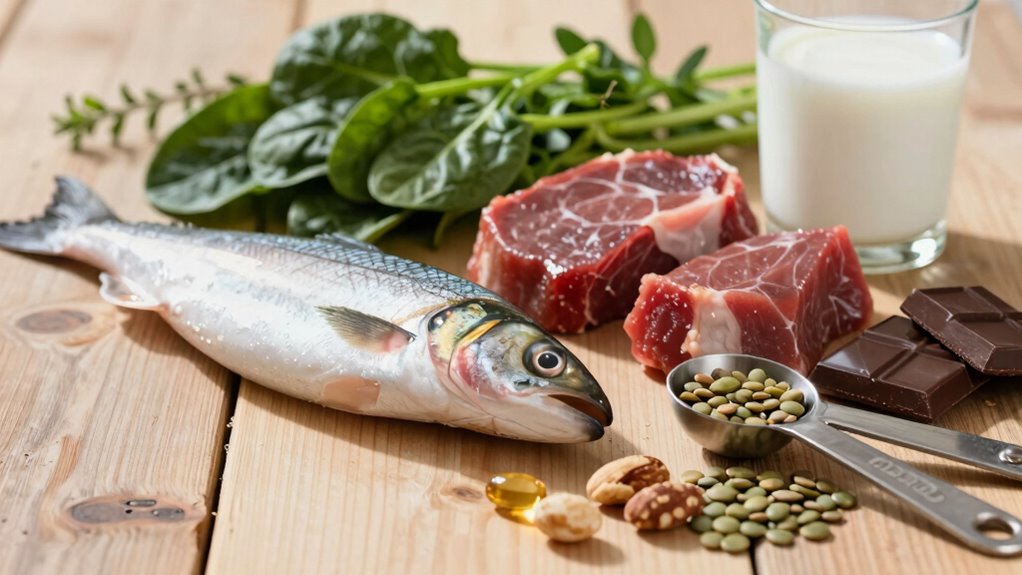
You should prioritize vitamin D, iron, and magnesium because each plays a distinct role in performance and recovery.
Optimize vitamin D to 40–60 ng/mL through safe sun exposure, diet, or supplementation. Monitor iron status regularly to catch and treat deficiency that can impair oxygen delivery. Guarantee magnesium intake to support muscle function and energy production.
Regular blood tests and targeted dietary adjustments or supplements will help you hit recommended levels and reduce the risk of cramps, fatigue, and bone injury.
Work with your healthcare team or a sports dietitian to establish testing schedules and individualized dosing so your plan matches your mobility, training load, and medical needs.
Vitamin D Optimization Strategies
When optimizing vitamin D for adaptive athletes, start with a clear plan that prioritizes testing, safe sun exposure, dietary sources, and targeted supplementation as needed. You should aim for serum 25(OH)D between 40–60 ng/mL; testing guides your nutritional intake and recovery strategies, especially if mobility limits sun exposure.
Consider these steps:
- Measure baseline 25(OH)D and retest seasonally to guide dosing.
- Maximize safe sun exposure when possible, balancing skin cancer risk and mobility constraints.
- Include fortified foods and fatty fish in meals; track dietary vitamin D alongside magnesium and iron to support absorption and recovery.
- Use targeted supplementation with clinician guidance, tailoring dose to deficiency severity and monitoring for toxicity.
These actions help preserve bone health, immunity, and performance.
Iron Status Monitoring
Although it often goes overlooked in routine screenings, monitoring iron status is essential for adaptive athletes because even modest deficiencies can cause fatigue, impaired endurance, and delayed recovery.
You should schedule regular lab checks—hemoglobin, ferritin, transferrin saturation—to detect low stores early, especially if you have low energy availability or a spinal cord injury that alters absorption.
Use targeted nutritional strategies: prioritize iron-rich foods, pair them with vitamin C to enhance absorption, and time calcium-rich meals away from iron intake.
Female athletes need particular attention due to higher prevalence of deficiency.
Work with a clinician to interpret results and consider tailored supplementation when dietary measures aren’t enough.
Maintaining ideal iron status supports athlete recovery, preserves performance, and reduces risk of prolonged fatigue.
Magnesium For Recovery
Because magnesium is central to muscle contraction, energy production, and nerve function, keeping your intake within recommended ranges (about 310–420 mg/day for adults) should be a priority for adaptive athletes focused on recovery.
You’ll want to assess dietary patterns and consider supplementation if food sources fall short. Magnesium deficiency can impair energy production, increase fatigue, and hinder muscle recovery, so plan meals that support your nutritional needs.
Prioritize nuts, seeds, whole grains, and leafy greens, and consult a clinician before starting supplements.
Practical steps to support recovery:
- Track intake against recommended magnesium targets.
- Emphasize magnesium-rich foods at each meal.
- Consider 200–400 mg/day supplementation when diet is inadequate.
- Monitor symptoms like cramps or prolonged soreness and adjust.
Evidence‑Based Supplements for Muscle and Tendon
Supplements can play a practical role in supporting muscle and tendon recovery for adaptive athletes, provided they’re used alongside appropriate training, nutrition, and medical guidance.
Supplements can support muscle and tendon recovery for adaptive athletes when paired with proper training, nutrition, and medical guidance
For muscle repair and enhanced athletic performance, consider evidence-based supplements: HMB at 3 g/day supports muscle preservation and recovery, while fish oil at 2000 mg three times daily supplies omega-3s that reduce soreness and inflammation.
For tendon support, take collagen or gelatin at 10 g/day to improve tendon repair and joint health.
Anti-inflammatory enzymes and botanicals can help: bromelain 500 mg three times daily (away from food) and curcumin with piperine 500 mg three times daily both reduce inflammation and aid recovery.
Always check interactions and tailor dosing with your clinician.
Sample Recovery Meals and Daily Plans
When you plan recovery meals and daily eating patterns, focus on pairing carbohydrates and protein, timing intake around training, and restoring fluids to support repair and readiness for the next session.
Use sample recovery meals that deliver about 30 g protein and carbohydrates at ~1 g/kg BW/hour during the first four hours after exercise.
Prioritize hydration by replacing at least 150% of fluid lost and include electrolyte sources when sweat losses are high.
Build daily plans around nutrient-dense foods—whole grains, lean proteins, colorful produce—to address B1, B9, and iron needs.
Examples you can rotate:
- Smoothie: 30 g whey, banana, ½ cup berries.
- Chicken, quinoa, roasted veg.
- Greek yogurt, granola, fruit.
- Lentil salad with greens and citrus dressing.
Monitor Recovery: Biomarkers, Urine, Load Adjustments
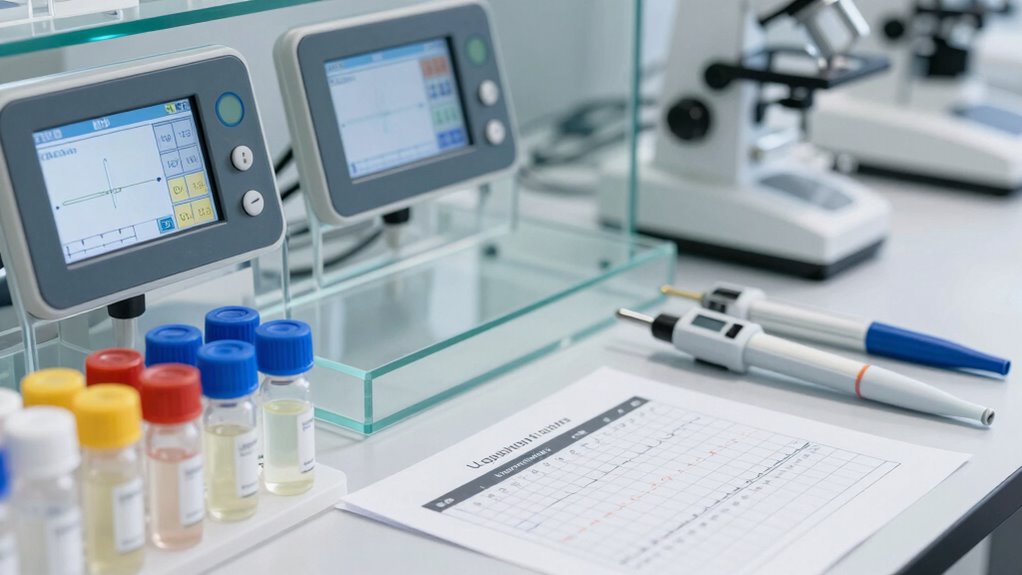
You should regularly check hydration status—simple urine color checks and daily body-weight trends can quickly flag when fluid intake needs to increase.
Combine those practical measures with periodic blood biomarker monitoring (like markers of inflammation, iron status, and metabolic panels) to get a fuller picture of recovery and nutrient needs.
Use this information, along with session RPE and observed recovery, to adjust training loads so you support performance gains while preventing overtraining.
Hydration Status Checks
Because fluid balance directly affects both physical performance and neuromuscular control, monitoring hydration status should be a routine part of recovery for adaptive athletes.
You’ll check urine color as a quick indicator: clear suggests good hydration, darker colors warn of dehydration that can impair cognition and coordination. Aim to replace at least 150% of fluid lost, using a dilute sodium solution or homemade electrolyte drink to enhance absorption and stimulate muscle blood flow.
Regular checks are essential for athletes with spinal cord injuries who may have altered temperature and fluid regulation.
- Track urine color daily for immediate feedback.
- Weigh before and after exercise to estimate fluid loss.
- Rehydrate with 150% of losses plus sodium.
- Adjust training load when dehydration exceeds 2%.
Blood Biomarker Monitoring
Hydration checks give you a snapshot of immediate fluid balance, but blood biomarker monitoring offers a deeper look at how training and recovery are affecting the body over time.
You should track blood biomarkers like creatine kinase and cortisol to detect muscle damage and systemic stress, informing recovery assessments and nutritional adjustments.
Combine those data with simple urine measures—color and specific gravity—to confirm hydration status and prompt immediate fluid intake when needed.
Regularly recording perceived recovery alongside these objective markers helps you identify cumulative fatigue and readiness more accurately.
Monitor key performance biomarkers covering metabolic, nutritional, hydration status, and muscle health to guide recovery plans.
Use consistent timing and professional interpretation to make informed, athlete-specific decisions.
Training Load Adjustment
When training and recovery data are reviewed together, you can make targeted adjustments to training load that reduce injury risk and optimize performance for adaptive athletes.
Use RPE, performance metrics, and biomarkers like muscle status and urine color to guide decisions. Track nutrition intake and hydration to protect energy availability and recovery.
Implement these steps:
- Monitor daily RPE and session duration to quantify training load and spot trends.
- Check urine color and hydration; dark urine signals you need more fluids and altered intensity.
- Review muscle soreness and biochemical markers; persistent elevation warrants reduced volume or intensity.
- Adjust nutrition intake to restore energy availability before increasing training load, prioritizing protein and carbohydrates for repair.
Consistent review prevents LEA and supports safe progression.
Wrapping It Up
You’ve got a clear roadmap: prioritize energy balance, targeted carbs, and regular protein to rebuild muscle, pair healthy fats and key micronutrients to support recovery, and use evidence‑based supplements sparingly. As the saying goes, “slow and steady wins the race,” so monitor biomarkers, urine color, and training load to adjust plans. Follow these strategies consistently, and you’ll optimize recovery, reduce injury risk, and sustain performance over the long term.
I’m a wheelchair athlete and after hard sessions my stomach is fine with a drink, but solid food feels impossible for a while. I can usually get down a smoothie or sports drink right away, but I’m not sure if that’s enough to start recovery before I can eat later. Should I focus on liquids first, or am I missing something important if I skip food for an hour or two?
A liquid recovery option is a smart first step when solid food feels too heavy. Aim for a drink that gives you carbohydrate plus protein so you can start refueling and repairing without forcing a full meal. If you tolerate it, a smoothie with milk or yogurt, fruit, and protein works well, and you can follow up with a more complete meal once your stomach settles. The key is not waiting too long to get in that first carb-and-protein dose, then continuing with balanced food later in the recovery window.