
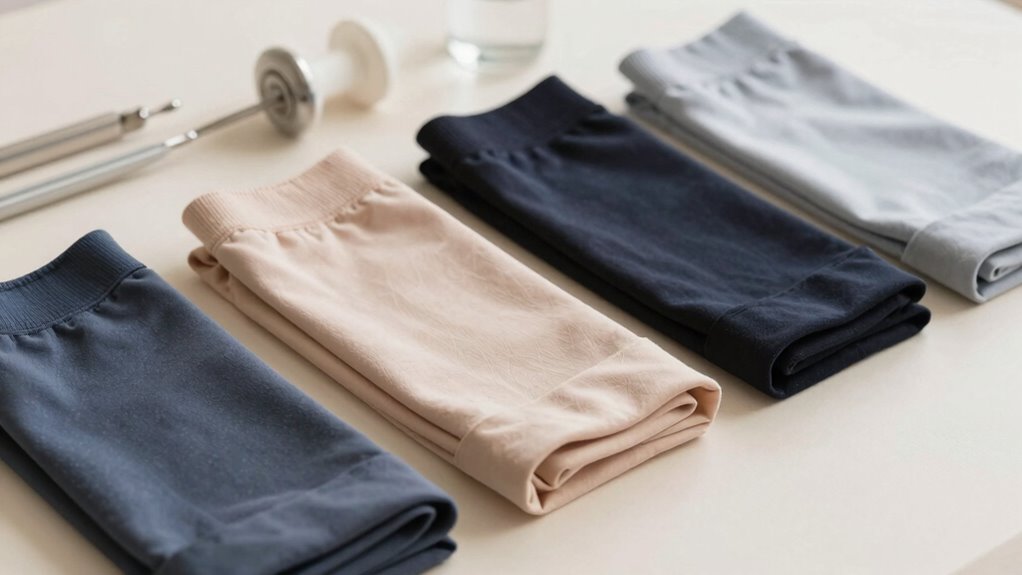
Compression wear for women provides targeted support to improve circulation, reduce muscle fatigue, and speed recovery when properly fitted. You’ll find leggings, bras, socks, and sleeves that apply graduated pressure to enhance venous return, limit swelling, and stabilize tissues during exercise, postpartum recovery, or long periods of standing or sitting. Choose compression levels based on symptoms and measurements, follow care guidelines, and consult a clinician for medical conditions—continue for practical tips on fit, use, and safety.
What Is Compression Wear for Women?
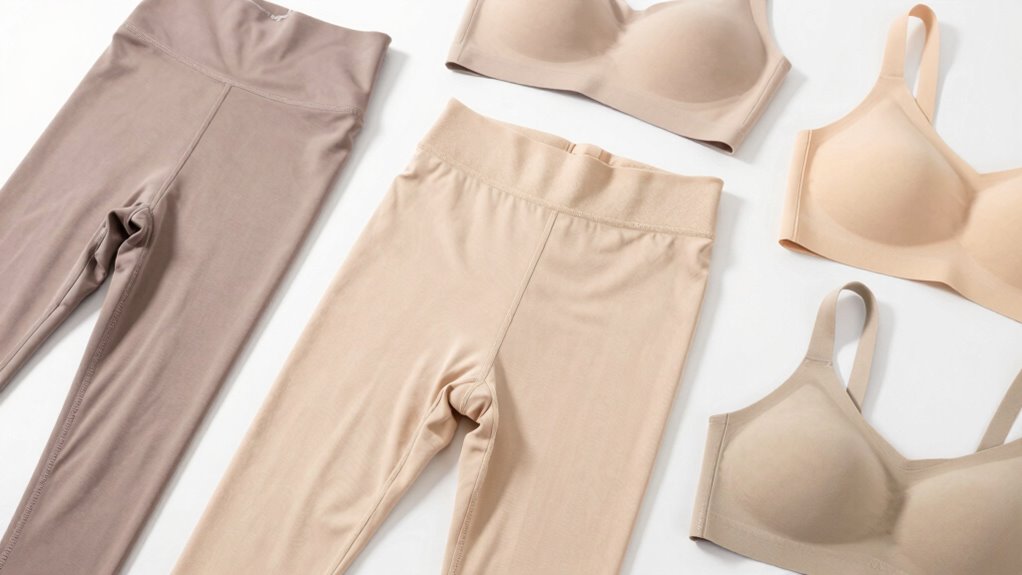
While compression wear for women covers a broad range of garments—leggings, tops, sports bras and shapewear—it all shares the same basic purpose: providing targeted support and improving circulation during activity and daily wear.
You’ll find compression garments built with medical-grade levels (commonly 15–40 mmHg) that compress specific areas—abdomen, hips, thighs—to support muscles, reduce vibration and improve blood flow during workouts. Fabrics are usually moisture-wicking and breathable, so you stay comfortable when intensity rises.
Because the pieces are tailored to the female form, they offer both functional support and a smoothing silhouette. Regular use can shorten recovery time by minimizing muscle soreness and promoting circulation after exercise, helping you return to activity sooner and with less discomfort. Consider choosing garments with 15–20 mmHg graduated compression for overnight recovery and comfort.
Who Benefits Most : Athletes, Postpartum, Varicose Veins, Postop
Because different needs call for different levels and types of compression, several groups of women tend to benefit most from these garments: Athletes, postpartum individuals, those with varicose veins, and post-op patients.
Different needs call for different compression: athletes, postpartum women, those with varicose veins, and post-op patients benefit most.
You’ll find targeted benefits depending on the goal and garment type.
- Athletes: compression can reduce muscle soreness, support performance, and aid recovery after intense training.
- Postpartum: abdominal and pelvic support from compression garments can reduce swelling and provide comfort while tissues heal.
- Varicose veins and postop: graduated compression socks or garments help prevent blood pooling, alleviate discomfort from varicose veins, and limit postoperative swelling and complications.
Choose compression levels and fitting guided by your healthcare or sports professional for safe, effective use.
How Compression Improves Circulation and Speeds Recovery
When you wear properly fitted compression garments, they apply graduated pressure that’s strongest at the ankle and eases upward, actively helping venous blood move back toward the heart and reducing the chance of blood pooling in the lower legs.
You’ll find compression socks and leggings support venous return, which improves blood circulation and helps prevent swelling and discomfort during long days or intense training.
That consistent pressure also increases oxygen delivery to muscles, speeding clearance of metabolic waste and lowering post-exercise soreness.
Studies show recovery time can improve substantially, letting you train more frequently with less downtime.
Compression Levels (mmHg): Which to Choose?
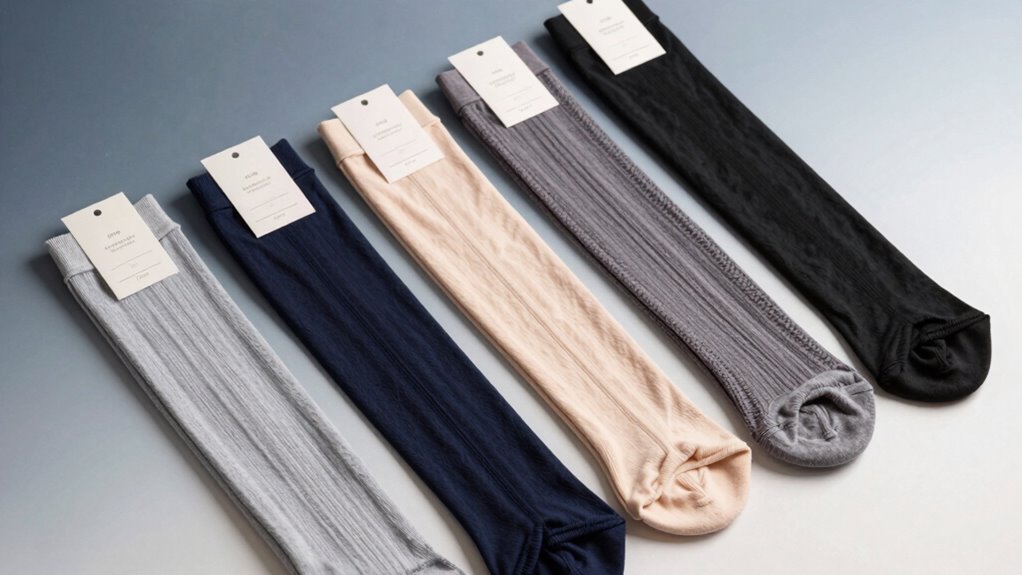
Compression levels are measured in millimeters of mercury (mmHg) and range from mild (8–15 mmHg) for everyday support to higher strengths (30–40 mmHg) that usually need a prescription.
Match the pressure to your needs—mild and moderate (15–20 mmHg) help prevent fatigue and ease minor varicose veins, while 20–30 mmHg is often used for chronic issues and post-surgical recovery.
Always consult a healthcare professional to choose the right mmHg for your medical condition and comfort.
Understanding MmHg Ranges
Anyone selecting compression wear should understand mmHg, the unit that measures the pressure your garment applies to the leg.
You’ll see compression levels expressed as mmHg ranges; higher numbers mean greater pressure. Mild ranges (8–15 mmHg) relieve tired legs and minor swelling, while moderate (20–30 mmHg) is used for varicose veins and chronic venous insufficiency.
Stronger options (30–40 mmHg) and highest levels (40–50 mmHg) address more serious medical conditions and usually need professional oversight or a prescription.
You should consult a healthcare provider to match symptoms and safety needs, especially when dealing with circulatory issues.
Consider these typical categories as a quick reference:
- 8–15 mmHg: mild support
- 20–30 mmHg: moderate therapy
- 30–50 mmHg: advanced, prescribed use
Matching Pressure To Needs
Although the right compression level depends on your specific symptoms and goals, understanding the common mmHg categories will help you choose garments that provide effective support without causing discomfort.
For general wellness and travel, mild compression (8–15 mmHg) eases fatigue and can help prevent blood clots during long flights.
If you have minor varicose veins or persistently tired legs, moderate compression (15–20 mmHg) often provides noticeable relief.
Firm compression (20–30 mmHg) is typically used for moderate venous disorders, lymphedema, or post-surgical recovery and should be selected with care.
Strong compression (30–40 mmHg) addresses severe conditions and usually requires a prescription.
Always match compression level to your needs and seek medical advice to guarantee safety and proper fit.
Compression Styles: Leggings, Bras, Socks, Sleeves
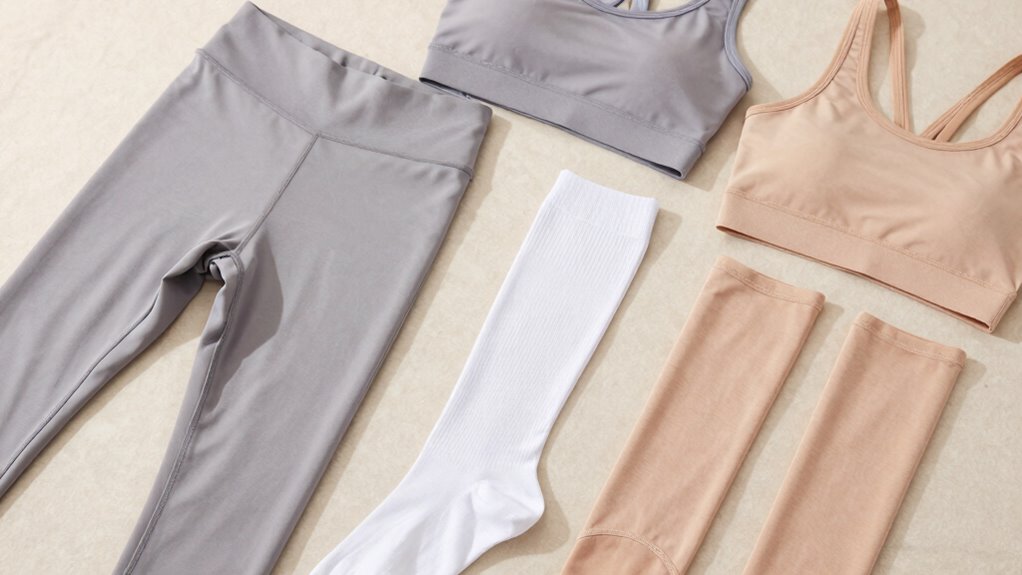
When choosing compression styles, consider how leggings, bras, and socks target different needs: leggings support circulation and reduce muscle fatigue during workouts and recovery, while supportive compression bras limit breast movement to prevent discomfort and injury.
Therapeutic compression socks focus on improving blood flow and reducing swelling during long periods of sitting or standing, with specific mmHg levels to match medical or activity-based needs.
You can combine these pieces or select the single most relevant style and compression level to address your performance goals or recovery requirements.
Leggings For Compression
Compression leggings are engineered to deliver targeted pressure along your legs, improving blood flow and reducing muscle fatigue during workouts and long periods of activity.
You’ll find they use graduated compression—strongest at the ankle—to promote venous return and reduce swelling in the lower limbs.
Breathable, moisture-wicking fabrics help regulate temperature and keep you dry during intense sessions.
Many designs add waist and hip support for stability and comfort across activities.
Regular wear can aid recovery by lessening soreness and speeding healing after strenuous exercise.
- Graduated compression targets circulation and recovery.
- Performance fabrics manage moisture and temperature.
- Integrated waist/hip support enhances comfort and stability.
Weak hip muscles and inner quadriceps can lead to misalignment of the kneecap, so targeted strengthening can complement compression wear for knee stability and reduce patellofemoral pain.
Supportive Compression Bras
Supportive compression bras are engineered to limit breast movement and reduce discomfort during exercise, giving you a firmer, more stable feel especially during high-impact activities like running or HIIT.
You’ll find compression bras designed with varying levels of compression and styles so you can choose a snug fit that matches your body shape and activity.
These garments commonly use moisture-wicking fabrics to manage temperature and keep you dry, which maintains comfort during longer sessions.
By minimizing bounce, they help reduce breast pain and soreness, letting you train more consistently.
The snug fit can also enhance circulation locally, which may improve performance and support quicker recovery after intense workouts.
Choose one that fits well and complements your routine.
Therapeutic Compression Socks
Having settled on the right level of chest support for high-impact activity, you’ll also want to contemplate how targeted leg compression can support circulation and recovery.
Therapeutic compression socks are specifically designed to improve blood circulation for conditions like chronic venous insufficiency, varicose veins, and edema. You’ll find graduated pressure—often measured in mmHg, commonly 20–30 mmHg—helps propel blood upward and reduces pooling.
Use them during travel, prolonged standing, or post-exercise recovery to limit swelling and speed healing. Consider complementary styles like leggings or sleeves when you need broader or localized support.
Practical points to evaluate:
- Fit and mmHg rating for your condition.
- Duration of daily wear and activity compatibility.
- Fabric, breathability, and ease of donning.
Consult a clinician for personalized therapeutic compression guidance.
Choosing the Right Fit: Measurement & Common Mistakes
Start by taking three key measurements — the widest part of your thigh, the narrowest part of your waist, and the widest part of your calf — because these dimensions determine how the garment distributes pressure and whether it will stay in place during use. Use a flexible tape, record measurements at different times of day, and consult the manufacturer’s sizing chart. Avoid common mistakes like relying on clothing size alone or ignoring swelling. Your compression garments should feel snug without pain or circulation restriction; marks or numbness mean it’s too tight.
| Tip | Why it matters |
|---|---|
| Measure correctly | Guarantees proper pressure distribution |
| Check chart | Sizes vary by brand |
| Measure multiple times | Accounts for daily fluctuation |
| Avoid guessing | Prevents inadequate compression |
When to Wear Compression : Workouts, Recovery, or Daily Use?
You can wear compression during workouts to boost circulation and oxygen delivery, which can help your endurance and limit muscle soreness.
After exercise, putting on compression aids recovery by promoting lymphatic flow and flushing metabolic waste, so your muscles recover faster.
For all-day comfort—whether you’re pregnant, sitting for long stretches, or managing mild edema—compression provides steady support and improved circulation throughout the day.
Workout Performance Boost
When you wear compression garments during a workout, they can actively enhance blood flow and oxygen delivery to working muscles, which often translates to improved performance and delayed fatigue.
Similarly, putting them on immediately after exercise helps reduce muscle soreness and inflammation, speeding recovery by limiting swelling and aiding metabolic waste removal.
You’ll find compression clothing and workout clothes designed to stabilize muscles, cut vibration, and improve proprioception so you can move efficiently and reduce the risk of minor strains.
Use them for runs, strength sessions, or circuit training when you want extra support without restricting motion.
- Better circulation for endurance
- Muscle stabilization for power
- Versatile for varied intensities
Strength training combined with compression can further reduce injury risk by improving muscle balance and resilience.
Post-Workout Recovery Aid
Having seen how compression gear can boost performance and stabilize muscles during activity, it’s worth looking at how the same garments serve as a targeted recovery tool after exercise.
You can use compression garments immediately post-workout to promote blood flow and lymphatic drainage, which helps reduce swelling and muscle soreness. By aiding circulation, they assist in clearing metabolic waste from tissues, potentially shortening recovery time and enabling better subsequent sessions.
For ideal post-workout recovery, wear them for a few hours after training or overnight if comfortable, but avoid overly tight pieces that impair circulation.
While compression during workouts offers support and injury prevention, focusing wear on the recovery window can be a practical, evidence-based strategy to speed repair and maintain consistent training.
Research shows that combining compression with strength training and gradual progression in training can further reduce injury risk and improve recovery outcomes.
All-Day Comfort Support
Deciding whether to wear compression garments throughout the day, only during workouts, or primarily for recovery depends on your goals, daily routine, and any medical needs you have.
You can wear compression for all-day comfort when you face long periods of sitting or standing; continuous support reduces fatigue and helps with poor circulation or leg swelling.
Use them during exercise to enhance muscle support, boost circulation, and lower injury risk.
Post-workout, compression aids recovery by minimizing soreness and promoting healing.
Consider wearing compression garments from waking until bedtime if you have chronic venous insufficiency, edema, or significant circulation issues.
Choose the right compression level and fit, and consult a healthcare professional for medical concerns.
- Daily use
- During workouts
- For recovery
Additionally, many users find that consistent gentle pressure from compression socks helps reduce fatigue and swelling during prolonged wear.
Caring for Compression Clothing: Wash, Dry, and Store
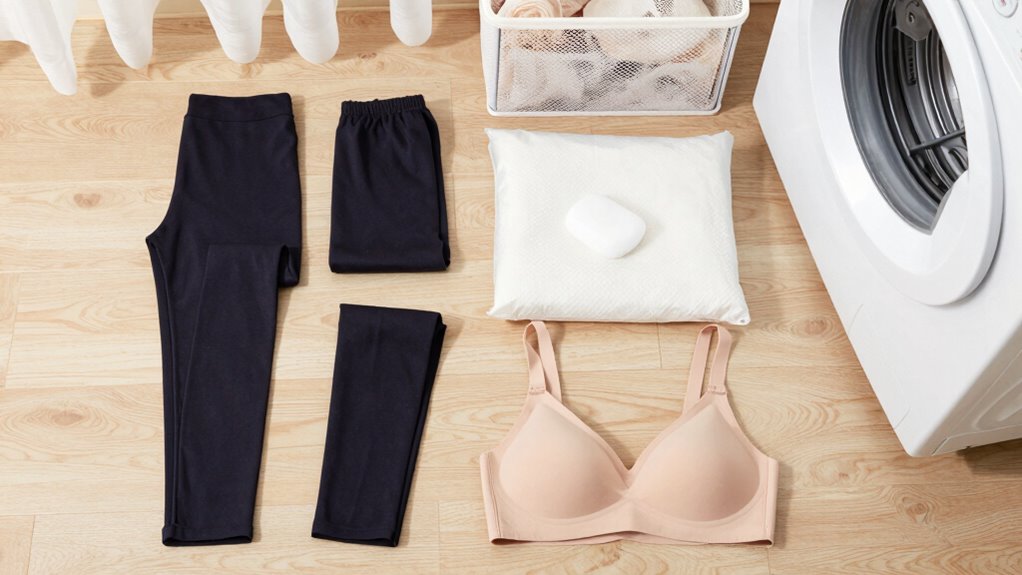
Proper care keeps your compression garments effective and comfortable, so wash them after every use with a gentle detergent in cold water to prevent odor and bacterial buildup.
Avoid bleach and fabric softeners, as they degrade elastic fibers and reduce support.
After washing, reshape items and air dry flat or hang them; skip the tumble dryer since heat weakens compression and shortens garment life.
When you store compression wear, choose a cool, dry place away from direct sunlight and roll garments instead of folding to prevent creases that can alter pressure distribution.
Rotate multiple pairs to allow fibers to recover between wears.
Following these steps preserves fit and function, helps maintain hygiene, and extends the useful life of your compression clothing.
When to Replace Compression Wear and How to Test Effectiveness
Because compression garments lose their support gradually, you should expect to replace them every three to six months depending on how often you wear and wash them.
You’ll monitor compression wear for stretched fabric, loss of elasticity, and a looser fit after washing. If it no longer delivers the intended compression strength (often measured in mmHg), replace it to maintain benefit.
- Inspect: look for runs, thinning, or uneven tension.
- Fit test: it should feel snug and supportive; looseness means reduced compression.
- Wash check: if shape and tension don’t return after laundering, it’s time to replace.
Keep records of purchase and use frequency to plan replacements and preserve consistent therapeutic or athletic performance.
Safety, Contraindications, and When to Consult a Clinician
After you’ve confirmed a garment still provides the intended support, it’s also important to evaluate safety, contraindications, and when to consult a clinician.
Compression wear is generally safe for most women, but you should avoid it if you have severe arterial disease or an acute skin infection; those are clear contraindications that require medical clearance.
If you experience discomfort, numbness, or increased swelling while wearing a garment, stop use and consult a clinician to check fit and compression level.
Persistent leg pain or swelling, history of blood clots, or venous insufficiency also warrant professional guidance to determine appropriate compression strength and duration.
Pregnant women should use compression only under their healthcare provider’s supervision to protect mother and baby.
Wrapping It Up
You’ll find compression wear can support performance, recovery, and daily comfort when chosen and used correctly. About 20% of adults experience varicose veins, highlighting why medical-grade compression matters for some people. Match mmHg levels and styles to your goals—athletic, postpartum, or clinical—and follow care and replacement guidance to keep effectiveness. Stop use and consult a clinician if you have numbness, worsening pain, or circulation concerns. Use it thoughtfully for best results.
I’m a few weeks postpartum and my OB said compression could help, but I’m torn between an abdominal garment, compression leggings, or just socks for the swelling in my feet and calves. I mostly need something I can wear around the house without feeling squeezed too much.
If the main issue is swelling in your feet and calves, compression socks are the most targeted choice. If you also want support around your abdomen after delivery, a compression garment or high-waisted compression leggings can be more helpful than socks alone. The best option depends on where you feel the most discomfort and whether you want leg support, core support, or both. Start with the area that bothers you most, and make sure the fit is measured correctly so it supports without feeling overly tight.