
Here are 7 solid options for daily training in 2026: Under Armour Charged Surge 4 with a breathable mesh upper, Charged Cushioning, and Deluxe Comfort sockliner; Socviis Air Cushion Shoes offer breathable material and non-slip grip; Brooks Anthem 7 uses BioMogo DNA and an EVA insole for comfort; Under Armour Charged Assert 9 pairs Charged Cushioning with sturdy rubber outsoles and a 10 mm offset; Adidas Run Falcon 5 features a mesh upper, Cloudfoam midsole, and Adiwear outsole. Expect fit, durability, and versatility for road, track, and gym, plus sizing tips, break-in notes, and more details to come.
| Under Armour Men’s Charged Surge 4 Sneaker | 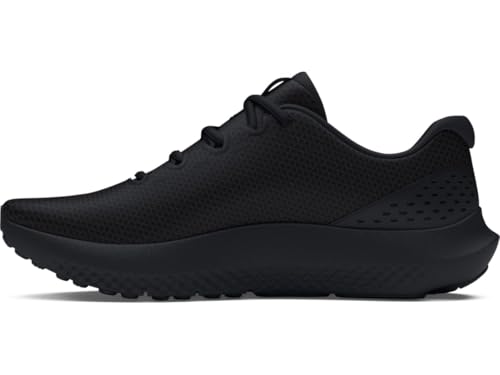 | Best Daily Comfort | Upper material: Breathable mesh upper with synthetic overlays | Cushioning midsole: Charged Cushioning midsole | Outsole type: Durable rubber outsole | VIEW LATEST PRICE | See Our Detailed Review |
| Socviis Men’s Air Cushion Running Shoes |  | Trail-to-Track Everyday | Upper material: Mesh upper | Cushioning midsole: Not specified (air cushion notated in features) | Outsole type: Not specified | VIEW LATEST PRICE | See Our Detailed Review |
| Brooks Men’s Anthem 7 Neutral Running Shoe |  | Neutral Running Essential | Upper material: Synthetic mesh upper | Cushioning midsole: Not specified (BioMogo DNA focus not midsole term) | Outsole type: Rubber outsole | VIEW LATEST PRICE | See Our Detailed Review |
| Under Armour Men’s Charged Assert 9 Running Shoe |  | Cushioned Stability | Upper material: Lightweight mesh upper | Cushioning midsole: Charged Cushioning midsole | Outsole type: Solid rubber outsole | VIEW LATEST PRICE | See Our Detailed Review |
| Adidas Mens Run Falcon 5 |  | Wide-Fit Comfort | Upper material: Mesh upper | Cushioning midsole: Cloudfoam midsole | Outsole type: Adiwear outsole | VIEW LATEST PRICE | See Our Detailed Review |
| ASICS Men’s Gel-Nimbus 27 Running Shoes |  | Premium Cushioned Ride | Upper material: Not specified (implied upper materials not listed) | Cushioning midsole: Not specified | Outsole type: Not specified | VIEW LATEST PRICE | See Our Detailed Review |
| Under Armour Men’s Charged Assert 9 Running Shoe |  | Breathable Performance | Upper material: Lightweight mesh upper | Cushioning midsole: Charged Cushioning midsole | Outsole type: Solid rubber outsole | VIEW LATEST PRICE | See Our Detailed Review |
More Details on Our Top Picks
Under Armour Men’s Charged Surge 4 Sneaker
The Under Armour Charged Surge 4 sneaker is ideal for daily comfort, especially if you need reliable support for everyday training. You’ll get a breathable mesh upper with synthetic overlays that add structure and support. Comfort comes from an enhanced ankle collar and the Deluxe Comfort System sockliner that molds to your foot for easy step-in. The Charged Cushioning midsole delivers all-day comfort with responsive cushioning and durability. The durable rubber outsole provides traction where you need it, along with flexibility for toe-off. This shoe emphasizes breathable, supportive, and durable daily wear at a practical price.
- Upper material:Breathable mesh upper with synthetic overlays
- Cushioning midsole:Charged Cushioning midsole
- Outsole type:Durable rubber outsole
- Purpose/use:Daily wear / running
- Fit/offset noted:Neutral design
- Brand category:Under Armour
- Additional Feature:Enhanced ankle cushioning
- Additional Feature:Deluxe Comfort System sockliner
- Additional Feature:Breathable mesh with overlays
Socviis Men’s Air Cushion Running Shoes
Socviis Men’s Air Cushion Running Shoes stand out for breathable comfort and non-slip grip, making them a solid pick for daily training. You’ll find these shoes suited for running, walking, gym work, and casual sport use, with breathable material, an air cushion, and a comfortable fit. Size guidance matters: compare foot length to the chart before ordering, using US sizes from 6.5 to 14 more or less, and consider one size up if your feet feel wide. Care is simple—follow usage directions for best performance, and wear them for gym sessions, workouts, or casual days.
- Upper material:Mesh upper
- Cushioning midsole:Not specified (air cushion notated in features)
- Outsole type:Not specified
- Purpose/use:Running, gym, casual
- Fit/offset noted:Fit tip; suggests sizing changes
- Brand category:Socviis
- Additional Feature:Air cushion tech
- Additional Feature:Non-slip outsole
- Additional Feature:Size-guided fit tips
Brooks Men’s Anthem 7 Neutral Running Shoe
Brooks Men’s Anthem 7 Neutral Running Shoe stands out as a neutral running essential for daily training, thanks to its BioMogo DNA support that adapts to your stride. You’ll notice a synthetic mesh upper with a nylon lining and an open round-toe design, plus a lace-up closure for a secure fit. The midsole uses an EVA insole with a removable sock liner, while BioMogo DNA adapts to your pace. A rubber outsole handles road and track surfaces, and the Brooks logo sits on the side panel as a clear branding cue. This shoe balances performance and everyday comfort.
- Upper material:Synthetic mesh upper
- Cushioning midsole:Not specified (BioMogo DNA focus not midsole term)
- Outsole type:Rubber outsole
- Purpose/use:Running shoe
- Fit/offset noted:Lace-up closure (fit by lacing)
- Brand category:Brooks
- Additional Feature:Open round-toe design
- Additional Feature:Removable sock liner
- Additional Feature:BioMogo DNA cushioning
Under Armour Men’s Charged Assert 9 Running Shoe
This shoe stands out for daily trainers who want cushioned stability, thanks to the Charged Cushioning midsole and supportive leather overlays. You get a compression molded foam midsole for bounce and durability, plus an EVA sockliner for soft, step-in comfort. The lightweight mesh upper offers breathability, while leather overlays lock in the midfoot for stability. A solid rubber outsole covers high impact zones, delivering durability with lighter weight. The design is neutral, balancing flexibility and cushioning, with a 10mm offset and standard lace. It suits runners aiming to go faster with reliable cushioning and breathable comfort.
- Upper material:Lightweight mesh upper
- Cushioning midsole:Charged Cushioning midsole
- Outsole type:Solid rubber outsole
- Purpose/use:Running / faster miles
- Fit/offset noted:Offset 10mm
- Brand category:Under Armour
- Additional Feature:Leather midfoot stability
- Additional Feature:Three-color mesh print
- Additional Feature:10mm offset
Adidas Mens Run Falcon 5
The Adidas Mens Run Falcon 5 stands out for daily training thanks to its wide-fit comfort. You get a mesh upper that breathes, keeping your feet cooler during long runs, and a Cloudfoam midsole that delivers step-in comfort from the first mile. This shoe is versatile for track, treadmill, and all-day wear, with a supportive design that suits daily training and varied activities. The Adiwear outsole adds durability, so it lasts through weeks of workouts. Expect durable materials and airflow, with a balance of comfort, stability, and practicality for everyday running needs and casual wear. Overall, solid value for regular runners.
- Upper material:Mesh upper
- Cushioning midsole:Cloudfoam midsole
- Outsole type:Adiwear outsole
- Purpose/use:Daily training / varied activities
- Fit/offset noted:Wide-fit design
- Brand category:Adidas
- Additional Feature:Wide-fit design
- Additional Feature:Adiwear durability outsole
- Additional Feature:Cloudfoam step-in comfort
ASICS Men’s Gel-Nimbus 27 Running Shoes
ASICS Men’s Gel-Nimbus 27 is ideal if you want a premium cushioned ride for daily training. You get balanced cushioning and responsiveness in a single shoe, with a focus on comfort and support for daily miles. The 27th edition preserves the cushioning essence while improving key aspects, making it a complete shoe in the ASICS lineup. It blends soft landings with stable feel, suitable for neutral runners and those needing a bit of guidance. Built by ASICS, a Japanese brand with global reach, this model offers reliable fit, durable outsole, and accessible price for the daily trainer search.
- Upper material:Not specified (implied upper materials not listed)
- Cushioning midsole:Not specified
- Outsole type:Not specified
- Purpose/use:Running / cushioning-focused
- Fit/offset noted:Not specified
- Brand category:ASICS
- Additional Feature:Nimbus 27 lineage
- Additional Feature:Global ASICS presence/office
- Additional Feature:Canadian address and contact
Under Armour Men’s Charged Assert 9 Running Shoe
Under Armour’s Charged Assert 9 stands out for daily trainers who want a breathable performance without extra bulk. You get a lightweight mesh upper with a 3-color digital print for airflow, plus leather overlays that lock in midfoot for stability during runs. The EVA sockliner adds soft, step-in comfort, and the standard lace-up keeps the fit simple. A Charged Cushioning midsole delivers responsive foam with a 10mm offset for a neutral feel. The solid rubber outsole protects high-impact zones for durability without adding too much weight, making it a solid daily trainer option. Competitive price and reliable build complete the picture.
- Upper material:Lightweight mesh upper
- Cushioning midsole:Charged Cushioning midsole
- Outsole type:Solid rubber outsole
- Purpose/use:Running / training
- Fit/offset noted:Standard lace type
- Brand category:Under Armour
- Additional Feature:Lightweight mesh with print
- Additional Feature:EVA sockliner comfort
- Additional Feature:Solid rubber durable outsole
Factors to Consider When Choosing Running Shoes for Men for Daily Training
When choosing daily training shoes, you’ll consider fit and foot width so they feel secure without pinching, today’s options range from narrow to wide fits and sizes up to 14 or 15 with half sizes, so you can get a comfortable, true-to-size feel. Look for cushioning that matches your stride and impact level, whether you prefer a softer plush or a firmer response, and check midsole height and heel-to-toe drop for a balanced ride. Also consider breathability, durability, and stability, noting features like mesh uppers, reinforced outsoles, and guidance on wear testing, so you can compare options like price points, water resistance, and tread life without guesswork.
Fit And Foot Width
Choosing the right fit is essential for daily training, so start by matching shoe width to your foot and, if needed, opt for one size up for a roomier toe box. Look for models labeled D(M) or wider if you typically need more room in the toe box. If you have a narrow foot, prioritize a snug heel lock and a lower volume upper to prevent slippage. Compare the internal width and toe box shape to your foot length to avoid pinching or excessive space. Try shoes with adjustable lacing or a secure midfoot support to maintain a consistent fit during daily training. For reference, many good daily trainers run from 70 to 120 dollars, depending on brand and technology.
Cushioning And Impact
Cushioning and impact are shaped mainly by the midsole, with technologies like Charged Cushioning and EVA offering different levels of protective feel during daily runs. You’ll notice softer midsoles absorb large impacts, while firmer ones give propulsion and stability for faster turnover. Daily training shoes should balance cushioning with energy return to prevent fatigue over long miles. Removable insoles and sockliners can change how cushioning feels by altering the underfoot layer. The offset, or heel-to-toe drop, also affects impact perception and stride mechanics, so pick a drop that suits your gait. Consider midsole density, durability, and weight, as these influence comfort, response, and long-term wear. Look for consistent cushioning across sizes and a sensible price point for lasting daily use.
Breathability And Moisture
Breathability and moisture control matter more than you might think for daily training shoes. Breathable mesh uppers allow air flow to the foot, helping reduce heat buildup during daily runs. Lightweight mesh designs with open weave or structured overlays boost ventilation while still providing support. Materials like mesh paired with breathable sockliners contribute to quicker moisture evaporation and a fresher feel. Proper ventilation reduces sweat build-up, which can affect comfort and fatigue over long daily sessions. A well-ventilated shoe tends to pair with moisture-wicking socks to maintain dryness and promote overall foot comfort. Look for quick-dry linings, breathable tongue material, and visible airflow channels to gauge real-world performance. Overall, ventilation supports endurance and comfort in daily training footwear.
Durability And Outsole
Durability and the outsole matter just as much as ride comfort for daily training. You’ll want a durable outsole with reinforced high-wear zones to extend life and resist heel and toe abrasion. Look for solid rubber outsole construction for better durability and traction on varied surfaces. Favor models that balance durability with weight, avoiding overly heavy designs that can tire feet over daily runs. Check outsole tread patterns for reliable grip during daily training, including multi-surface applicability. Consider materials and overlays in the midfoot and heel that lock in structure without sacrificing long-term outsole integrity. Materials like carbon rubber or tough blends help, and multi-surface tread keeps you steady on sidewalks, tracks, and light trails.
Stability And Support
A stable ride starts with a solid midfoot lockdown and a supportive upper, so look for shoes that secure the foot without pinching and that keep the midsole from twisting during daily runs. A stable midsole and supportive upper help reduce unwanted movement during training, especially on repetitive miles. A 10mm offset can balance stability with a natural stride, aiding control without sacrificing comfort. Leather overlays or structured mesh uppers provide added midfoot lockdown and stability while staying breathable enough for daily wear. Durable outsole materials and reinforced high‑impact zones will maintain tread and support over time. A neutral design with balanced cushioning supports stable alignment across varied workouts, keeping you steady from warmups to cool-downs.
Weight And Mobility
Weight and mobility go hand in hand for daily training, so you’ll want shoes that stay light without skimping on support. Lighter weight shoes reduce fatigue and improve daily training pace by decreasing energy expenditure per mile, helping you run farther before tiring. A lower heel-to-toe drop can enhance your natural stride and transition speed, aiding quicker toe-off during workouts. Reduced bulk and a streamlined upper construction improve ankle and foot mobility when you switch terrains or switch drills. Elastic, responsive midsoles contribute to faster cadence and smoother transitions without sacrificing cushioning, so you feel confident on longer runs. Durable outsoles with ample ground contact steady movement across surfaces while maintaining agility, ensuring reliable grip without adding weight.
Versatility And Use Case
Versatility is key when choosing shoes for daily training, so you’ll want models that perform well across running, walking, gym workouts, and casual wear. Look for shoes with versatility across running, walking, gym training, and casual wear to support daily workouts and varied activities. Prioritize models described as suitable for gym, treadmill, track, and all-day wear to maximize one pair for multiple use cases. Seek features like breathable uppers, non-slip outsoles, and cushioned midsoles that accommodate different surfaces and intensities. Favor neutral designs with balanced flexibility and cushioning, such as midsole foams and offset around 8–12 mm, to support a range of workouts. Consider durability attributes like reinforced outsoles and structured overlays to endure frequent use across everyday training.
Sizing And Break-In Time
Sizing matters for daily training, so start by picking a shoe that matches your foot length and width. Choose shoes that match your foot length and width; if your foot is wider or fatter than standard, consider increasing one size. Use the provided size charts to compare foot length in inches or centimeters to US/EU sizing before ordering. Expect potential break-in periods; some models may feel firmer at first and loosen slightly with use. Check for a neutral offset around 8–12 mm as a starting point for daily training to balance cushioning and stability. Prioritize models labeled for all-day wear or daily training to ensure cushioning and support remain comfortable during longer sessions.
Frequently Asked Questions
How Should I Measure Shoe Size for Wide Feet?
To measure shoe size for wide feet, start by tracing your foot on paper and measure longest and widest points, then compare to a wide or EE/EEE size chart. Try shoes labeled “wide” or “2E/3E,” and check the toe box width, midfoot fit, and arch support. Do a 10–15 minute wearing test, heel grip, and room for a half-inch forward movement. Consider adjustable lacing, and price ranges from $60–120.
Do Shoes Differ for Treadmill vs. Outdoor Runs?
Yes, shoes differ for treadmill versus outdoor runs. Treadmill shoes emphasize stability, smoother cushioning, and less outsole grip since you don’t need traction on slick surfaces. Outdoor shoes prioritize durable traction, more varied grip, and rugged uppers to handle debris and weather. Expect different outsole lug patterns, rock protection, and sometimes slightly firmer midsoles for miles on pavement or trails. Choose based on your routes, pace, and foot strike, and match sizes carefully. Prices range $60–180.
Are There Ankle-Supporting Options Without Heaviness?
Yes, you can get ankle support without added weight. Look for lightweight stability shoes with firm heel counters, medial posts, or Dynamic DuoMax-style tech. Examples: models around 8–11 oz per shoe, midfoot lockdown, and a flexible yet supportive forefoot. Expect price ranges roughly $120–$160, with briefs of 5–9 mm drop. If you want extra support, consider a knit upper or mild ankle strap, but avoid bulky protection that slows you down.
How Often Should I Rotate Daily Training Shoes?
You should rotate daily training shoes every 1 to 2 days, giving each pair 24 to 48 hours of rest before repeating wear. This helps shoe materials recover, reduces odor, and extends durability. If you run two short sessions daily, switch around twice weekly. Track mileage per pair, aiming for about 300 to 500 miles per pair, depending on terrain and gait. Label pairs, inspect for wear, and replace when midsoles compress or tread wears thin.
Do Price Drops Indicate Inferior Durability?
Price drops don’t always mean worse durability, but they can signal older stock or clearance. Check construction details, like outsole material, midsole foam, and stitch quality, to gauge longevity. Compare warranties, typical wear tests, and return policies. If a model is heavily discounted, look for similar builds in higher-priced versions. Choose shoes with durable rubber outsoles, reinforced toe caps, and solid midsole support, then assess fit, comfort, and price-to-benefit at checkout.
Wrapping It Up
You’ve got solid options for daily training, from the Charged Surge 4 and Charged Assert 9 from Under Armour to Brooks Anthem 7 and ASICS Gel-Nimbus 27. Each model offers features like responsive foam, neutral support, and breathable uppers, with price ranges typically between $70 and $180. Pick lightweight weight, adequate cushioning, and a comfortable fit for your cadence and mileage. Consider durability, grip, and room for toe movement, and choose a shoe that suits your daily routes and goals.
I’m a warehouse worker and my running shoes have to handle commuting, a shift on my feet, and an easy run after work. If I pull out the sockliner, does that make the fit feel a little roomier, or does the shoe feel off after that
If you’re planning to remove the sockliner, look for a pair that still feels secure through the midfoot without it. On this page, the Under Armour Charged Surge 4 and Charged Assert 9 are the safer starting points to check first, since they’re the most straightforward daily trainers here. If you already know your shoes feel cramped with the factory insert removed, I’d avoid sizing purely around length and focus on how much space you need through the forefoot and instep.