
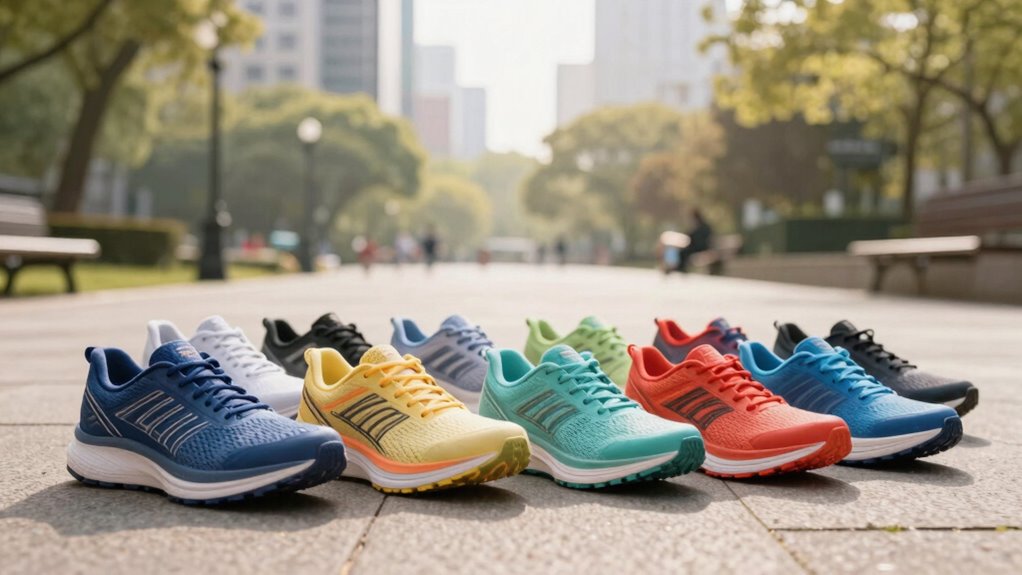
Here are 10 strong daily trainers for women in 2026: New Balance Fresh Foam Arishi V4, New Balance Fresh Foam 520 V9, Under Armour Charged Assert 10, Under Armour Charged Assert 9, Under Armour Charged Surge 4, adidas X_PLR Path, adidas Run Falcon 5, ASICS Gel-Contend 9, ASICS Gel-Excite 11, and Brooks Anthem 7. Expect breathable mesh uppers, responsive Cushioned or Fresh Foam midsoles, 8–10 mm offsets, and solid durability for easy miles, long runs, and daily wear. More tips await.
New Balance Women’s Fresh Foam Arishi V4 Running Shoe
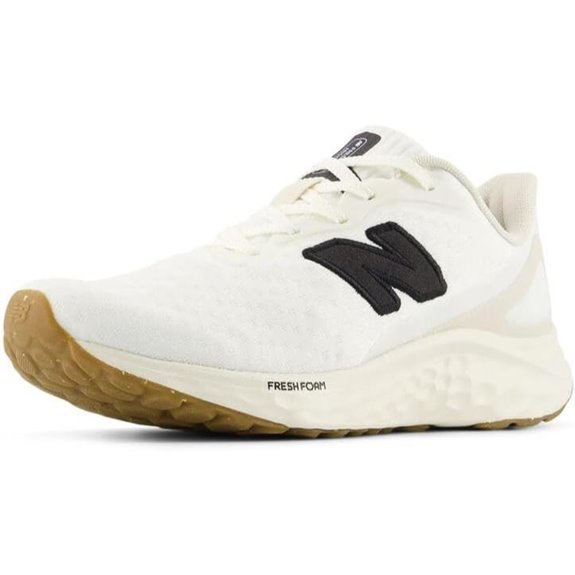
If you want a lightweight daily trainer with solid all-purpose comfort, the New Balance Fresh Foam Arishi V4 is a strong pick for everyday runs and casual wear. You get a breathable mesh upper with no-sew construction, cutting bulk while boosting durability. The Fresh Foam midsole cushions from mile one, giving steady support for training or casual use. This shoe balances cushioning, durability, and versatility, making it suitable for varied workouts and daily errands. It’s designed for comfortable everyday wear, with a lightweight feel that helps you move efficiently without weighing you down. Price varies by retailer, check current listings.
Under Armour Women’s Charged Assert 10 Shoes
The Under Armour Women’s Charged Assert 10 is a solid pick for daily training thanks to its responsive Charged Cushioning midsole. You get a neutral ride with flexibility, cushioning, and versatility for everyday runs. The lightweight, breathable mesh upper with synthetic overlays adds durability and support, while an EVA sockliner offers soft, step-in comfort. The midsole uses compression molded foam for responsiveness and durability, with a 10mm offset. The solid rubber outsole targets high impact zones for longer wear, and the shoe weighs about 8.9 oz. Lace up with standard ties for a secure fit during workouts.
adidas Women’s X_PLR Path Running Shoes
The adidas Women’s X_PLR Path is built for daily training with a lightweight, running-inspired feel. You’ll get a mesh upper with a clean TPU 3-Stripes touch for style and durability. The Cloudfoam midsole delivers outstanding cushioning, helping you stay comfortable during long sessions. Breathability comes from the mesh upper, so feet stay cool and steps feel light. The running-inspired design keeps a lightweight, casual athletic look you can wear daily. This pair pairs well with leggings or joggers, and its performance-focused yet simple aesthetic makes it a solid everyday choice for training and light runs. Price varies by retailer.
Under Armour Women’s Charged Assert 9 Running Shoe
This shoe targets daily trainers who value a lightweight, breathable fit with built-in support. You get an engineered mesh upper that’s extremely light and breathable, with strategic support where needed and foam padding around the ankle collar and under the tongue for a comfortable fit. The comfort sockliner molds to your foot, and heel padding cushions heel-strike. The Charged Cushioning midsole uses compression-molded foam for responsiveness and durability. A tire-inspired outsole pattern adds flexibility and traction. Overall, you’ll enjoy a lightweight, breathable design with a secure fit and a cushioned, responsive ride across the foot.
Under Armour Women’s Charged Surge 4 Running Shoe
If you need a daily trainer with steady cushioning and a secure fit, the Under Armour Charged Surge 4 delivers. You get a breathable mesh upper with synthetic overlays for structure, plus an enhanced ankle collar for comfort. The Deluxe Comfort System sockliner molds to your foot for easy step-in feel. The Charged Cushioning midsole offers all-day comfort, responsiveness, and durability, with an 8mm offset. It weighs about 10.05 oz and uses a neutral profile for balanced flexibility and cushioning. The durable rubber outsole provides traction and flexible toe-off, making it a solid everyday option.
ASICS Women’s Gel-Contend 9 Running Shoes
ASICS Women’s Gel-Contend 9 shines for daily training with its balanced cushioning and stable ride. You get a sleek polyester upper and lining that provide unparalleled breathability and durability, so you stay comfy mile after mile. The insole uses EVA, Amplifoam, and an Ortholite Sockliner for cushioned support and a gentler footstrike. Behind the scenes, rearfoot GEL tech absorbs impact, while a Trusstic Technology-inspired outsole boosts stability across varied terrain. This shoe suits everyday wear and running alike, offering reliable support, durable construction, and steady cushioning at a practical price for daily training.
Brooks Women’s Anthem 7 Neutral Running Shoe
The Anthem 7 stands out for daily comfort with a breathable synthetic mesh upper and a soft EVA insole that keep feet supported for hours of training. You get a low-top design, round toes, and a lace-up closure with branding on the side for a simple, secure fit. The synthetic mesh upper and nylon lining provide breathability and support, while the EVA insole and soft midsole offer cushioned comfort for long runs. BioMoGo DNA adapts to your stride, and the rubber outsole keeps the pace on pavement with lightweight construction for daily workouts.
ASICS Women’s Gel-Excite 11 Running Shoes
These shoes offer a comfortable, versatile option for daily training with a higher stack height that delivers softer cushioning. You get a wide variant for a roomier fit, ideal if you need extra toe box space. The Gel-Excite 11 uses AMPLIFOAM PLUS in the midsole, boosting overall comfort during runs and gym sessions. Designed for women’s feet, this shoe focuses on underfoot plushness without sacrificing support, making it suitable for daily training. It’s a simple, practical pick if you want reliable cushioning and a versatile daily trainer, at a fair price for ongoing use.
adidas Women’s Run Falcon 5 Running Shoes
If you want a lightweight, everyday trainer that stays comfortable from campus to camp, the adidas Women’s Run Falcon 5 is a solid pick. These shoes pair a Cloudfoam midsole with an airy mesh upper, delivering cushioned comfort from first lace-up and breathable wear all day. The Adiwear outsole offers durable traction for daily routines and campus routes, while the design stays versatile for busy student life. Ideal for dorm-room basics and quick workouts, they’re manufactured by Adidas India Marketing Exclusive Ltd. at an address in Vasant Kunj, Neu-Delhi, 110070. Price varies by retailer.
New Balance Women’s Fresh Foam 520 V9 Running Shoes
If you want a daily trainer that stays comfy, the New Balance Fresh Foam 520 V9 delivers well. These lightweight womens running shoes use Fresh Foam cushioning in the midsole for soft, steady comfort, and the upper is a breathable mesh that helps feet stay cool during training. They’re suitable for easy runs and casual errands, with durability built in for regular workouts. Weighing just over 200 grams, they feel barely noticeable on your feet. Expect reliable support and a simple, practical design that fits most budgets, offering solid value for everyday training needs.
Factors to Consider When Choosing: Running Shoes for Women for Daily Training
When choosing daily training shoes, you’ll want to consider fit and comfort first, along with a cushioning level that suits your stride, whether you prefer a firmer feel or plush support. Look for supportive stability features, breathable mesh uppers, and a durable build that holds up to daily miles and varying weather. Think about price and fit with measurements like a 6–10 mm heel-to-toe drop and overall weight, so you pick a pair that stays comfortable for long runs without breaking the bank.
Fit and Comfort
A good daily training shoe starts with a fit that feels secure yet comfortable and stays breathable as you log miles. A breathable mesh upper helps reduce foot overheating and irritation during daily runs, while a secure fit keeps your foot from sliding, especially during quick transitions. Cushioned midsoles like Fresh Foam or Charged Cushioning provide responsive support from mile one for ongoing comfort. Engineered padding around the ankle collar and under the tongue enhances step-in comfort and reduces pressure points, so you can lace up for longer sessions. EVA or Ortholite insoles add cushioning and moisture management for extended wear. Flexible, durable outsoles with targeted high-impact zone coverage improve stability and traction across daily workouts.
Cushioning Level
Cushioning level is a key factor in daily training shoes, and understanding midsole tech helps you pick the right balance of protection and feel. Cushioning is defined by midsole materials like Fresh Foam, Charged Cushioning, or GEL, which influence impact protection and comfort from mile one. A lower offset, such as 8–10 mm, changes the heel-to-toe drop and can alter how soft the ride feels during strides.Midsole density and foam type determine long-term responsiveness; softer foams add plushness, firmer foams offer more stability for daily miles. Cushioning should match your training pace and distance, with energy-return foams suiting faster days and plush foams supporting easy, longer runs. In-shoe comfort components, like plush sockliners and padded collars, complement cushioning for a better ride.
Supportive Stability
Supportive stability focuses on keeping your feet aligned and controlled during daily runs, so look for features like reinforced midfoot guidance, structured overlays, and a responsive midsole that dampens and directs movement. You’ll want a wider, secure midfoot and heel fit to minimize slippage and maintain steady alignment across workouts. Rearfoot stability tech—like GEL, molded foams, or Trusstic-inspired systems—helps absorb impact while keeping your stride steady. A moderate to protective heel-to-toe drop supports a stable landing pattern, reducing overpronation tendencies in daily training. Durable outsole patterns with solid grip boost stability on varied surfaces, while dependable midsole cushioning enhances comfort. Prices typically range from $120 to $160, depending on brand and tech, offering practical value for everyday mileage.
Breathability Mesh
Breathability mesh uppers let air pass through the shoe, helping your feet stay cooler during daily training. Breathable mesh uppers circulate air, keeping you comfortable through longer workouts. Mesh construction typically reduces weight while maintaining flexibility for natural foot movement, so you feel quicker on easy miles and faster on tempo days. Lightweight, mesh-based designs often pair with minimal or no-sew construction to lower bulk and enhance comfort, which helps when you switch shoes for different training blocks. Increased ventilation from mesh can aid moisture management, reducing sweat buildup during runs, especially in warmer months. A mesh upper with strategic overlays can provide structure and durability without sacrificing breathability, delivering reliable protection during daily sessions.
Durability Build
Durability in daily training shoes comes down to how well the outsole, upper, and midsole hold up under constant miles and repeated flexion. Durable shoes use reinforced outsole rubber and high-friction tread to survive high-impact zones and longer wear. Synthetic overlays and structured uppers reduce stretch, keep support through frequent flexion, and help maintain fit. Multi-density foams, like Charged Cushioning, Fresh Foam, or AmpliFoam, offer lasting cushioning that resists breakdown with repetitive mileage. Lightweight, breathable mesh with no-sew or minimal-stitch construction lowers bulk and helps avoid misalignment that can cause wear. Stability features, including stability technologies and TPU components, help preserve fit in the midfoot and heel. Look for tread depth around 3–5 mm for daily miles. Prices often range $70–$180.
Weight and Flexibility
Are you aiming for a quick turnover and less fatigue on daily runs, or do you want a little extra cushion without adding bulk? Weight and flexibility matter for daily training. Lighter shoes reduce energy expenditure and fatigue over long workouts, helping you stay consistent. Brand listings show weight per shoe, like 8.9 oz, which correlates with speed and agility in runs. Flexible designs use lightweight mesh uppers and foam midsoles to improve turnover and comfort. Neutral cushioning models balance weight with support, keeping your natural stride without extra bulk. Heavier shoes may deliver more durability and cushioning, but can slow pace and strain endurance for daily work. Prioritize a pair that feels responsive yet comfortable for your typical miles and goals.
Frequently Asked Questions
What’s the Best Cushioning Level for Daily Training?
You’ll likely want medium to high cushioning for daily training, about 6–12 mm drop and 28–34 mm stack height, depending on your stride. Choose responsive foam with a stable base, plus a breathable upper. Look for guidelines: underpronation or neutral feet benefit from softer midsoles, while overpronation may need firmer support. Prices range $90–$180; test fit, heel-to-toe feel, and weight, aiming for all-day comfort.
How Often Should I Replace Running Shoes?
You should replace running shoes every 300 to 500 miles, or roughly every 4 to 6 months with consistent use. Check wear on the outsole, midsole compression, and tread depth, and note if you’ve lost cushioning or stability. Rotate shoes to extend life, store in a cool, dry place, and budget around $70 to $150 per pair. If you notice new aches, time to retire that pair and try a similar model.
Do Wide Sizes Improve Daily Training Comfort?
Yes, wide sizes can improve daily training comfort. They reduce forefoot squeeze, prevent numbness, and help you fit thicker socks or insoles. Look for options labeled wide (2E) or extra-wide (4E), with roomy toe boxes, stable midsoles, and a secure heel. Aim for 8–12 mm drop, 6–12 oz weight, and price ranges around $70–$140. Try several pairs, walk first, then test on short runs to confirm comfort.
Are Lightweight Shoes Good for Long Runs Daily?
Yes, lightweight shoes can be good for long daily runs if they have enough cushioning, support, and durability. Look for models with a responsive midsole, at least 8–12 mm heel-to-toe drop, and a grippy outsole. Expect weights around 6–9 ounces per shoe for women’s sizes, prices roughly $100–$160, and a breathable mesh upper. Track fit and comfort first, then pace, distance, and terrain to stay injury-free.
How Do I Choose Shoes for Overpronation?
To choose shoes for overpronation, pick stability or motion-control models with a firm midsole, supportive heel counter, and medial posts or guide rails. Look for 8–12 mm heel-to-toe drop, rocker or engineered tread for smoother transitions, and a snug, supportive upper. Try sizes with a roomy toe box, test in-store for 15–20 minutes, and budget around $100–$160. Break them in gradually, and replace every 300–500 miles. Adjust based on comfort and fit.
Wrapping It Up
If you’re choosing daily trainers, know your priorities: cushioning, fit, and durability. Aim for models with responsive foam, like Fresh Foam or Charged foam, and consider a medium heel-to-toe drop for versatility. Check sizes up to wide widths if needed, and look for breathable uppers and a grippy outsole for varied surfaces. Prices range roughly from $60 to $140, so balance needs with budget. Try on several pairs to ensure comfort and support for your routine.
I wear custom orthotics in my running shoes, and once I pull the factory insole out, my current pair feels a little cramped. Which of these daily trainers still leaves enough room to make that swap without the fit getting awkward?
A roomier everyday trainer is usually the safer choice if you plan to use custom orthotics. Among the shoes on this list, the ones with a more forgiving, neutral fit are the better bets to check first, especially the Brooks Anthem 7 and some of the New Balance options. The key is whether the shoe still feels stable once the original insole is removed, so if possible, try them on with your orthotics before deciding.
I’m a nurse on a 10-hour shift, and then I head straight out for an easy run after work. My current trainers feel fine at first, but by the time I’m done with both, they feel off. Which pair here makes that all-day-to-run switch the least annoying?
For that kind of schedule, you’ll want a daily trainer that feels comfortable during long hours on your feet but still stays smooth for an easy run afterward. A balanced, moderately cushioned shoe is usually the best place to start, and the Brooks Anthem 7 or one of the ASICS daily trainers would be worth a look. I’d avoid anything that feels overly soft or too minimal, since those tend to wear on you during a double-duty day.