
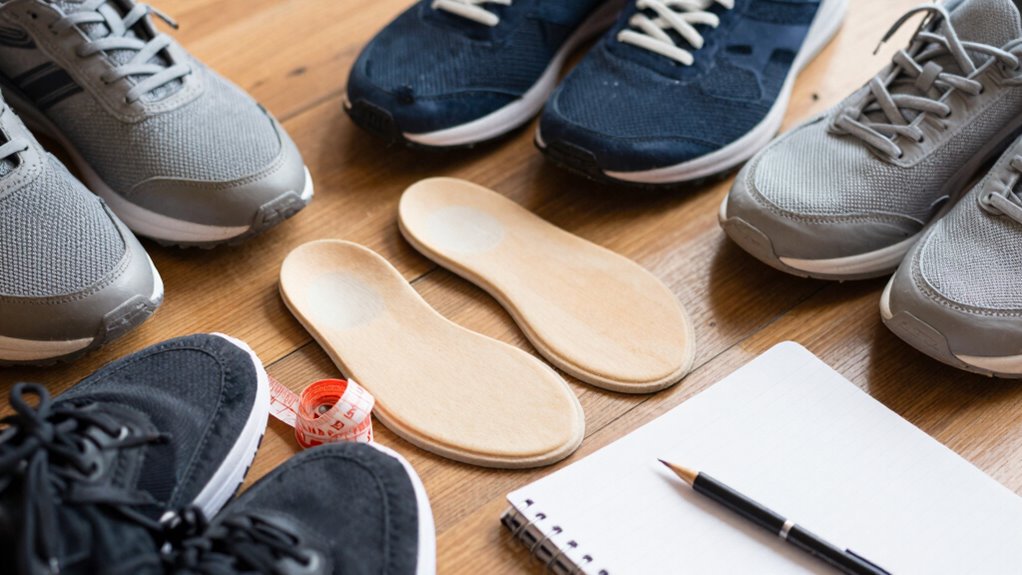
When trying on new shoes, you’ll want them to feel comfortable from the start as modern footwear is designed with advanced materials for immediate comfort and proper fit. Ignore old myths about shoe break-in periods; discomfort shouldn’t be a part of the process. Look for shoes with good cushioning and support, ensuring there’s no tightness or pinching. Keep in mind, understanding proper fit and choosing the right shoe can prevent foot-related issues — there’s so much more to explore on this topic.
Understanding Material Advancements in Modern Footwear
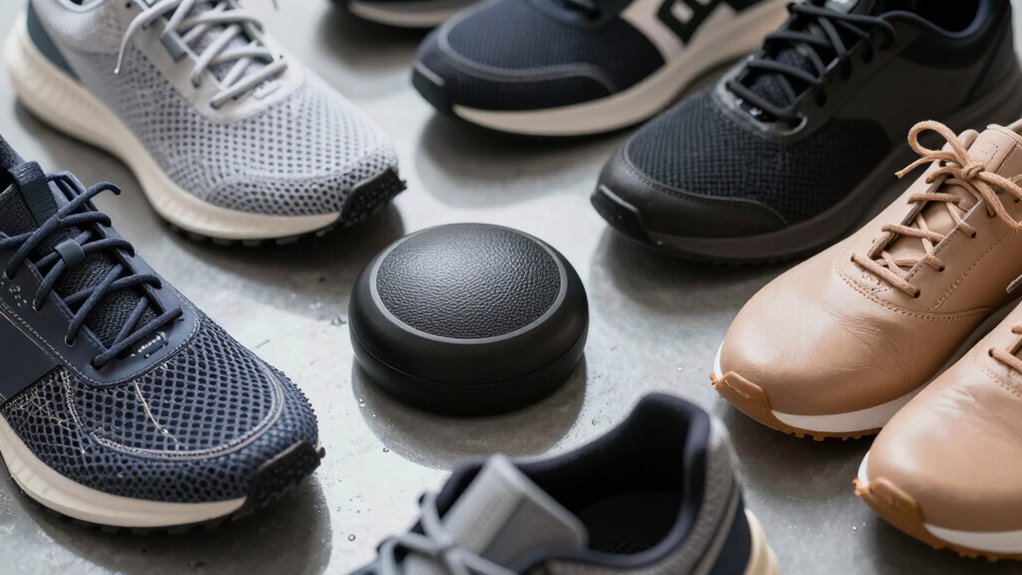
While many still hold onto traditional views about breaking in shoes, modern footwear has greatly evolved thanks to material advancements.
You’re now presented with shoes made from engineered textiles and sustainable materials that offer immediate comfort and durability. Brands are embracing material sustainability by using recycled synthetics and bio-based alternatives like merino wool and eucalyptus fibers. These innovations not only reduce environmental impact but also maintain high performance.
Engineered textiles, such as seamless knit uppers, provide variable support and breathability. This technology eliminates the need for bulky seams and minimizes friction, offering a fit that feels right from the get-go.
The use of high-strength, recycled yarns ensures lasting wear while lowering carbon footprints. Eco-friendly clothing options are made from natural, sustainable materials, supporting both comfort and environmental responsibility. Promote these advancements and enjoy footwear that blends comfort with sustainability.
Evaluating the Importance of Immediate Comfort
How essential is immediate comfort when selecting your next pair of shoes? It’s vital. Immediate comfort acts as a reliable predictor of long-term satisfaction, strongly influencing your purchase behavior.
When you try on shoes, a quick comfort assessment using visual analog scales can help you determine if they’ll suit you in the long run. Compliant uppers and soft midsoles often boost immediate comfort scores, ensuring you enjoy your footwear from day one.
This instant comfort doesn’t just feel good; it drives your buying decisions, acting as a quick “comfort filter” in both retail and athletic environments. Choosing shoes that score high in immediate comfort can shape your gait and neuromuscular control, potentially reducing injury risk and enhancing overall foot health. One of the key factors in choosing running shoes is the balance between cushioning and support, which can significantly impact your long-term satisfaction and performance.
Recognizing the Risks of Ignoring Proper Fit
Ensuring immediate comfort with your footwear is just one part of the equation; recognizing the risks of ignoring proper fit is equally important for your foot health. Wearing shoes that don’t fit correctly can lead to numerous issues, including foot pain, corns, and even deformities like bunions and hammer toes. Your footwear education should emphasize the importance of fit, especially for groups at higher risk, such as older adults and children. Ill-fitting shoes can cause serious problems, from altered gait to increased joint stress and even ulcers in people with diabetes. By choosing shoes that properly accommodate foot length and width, you can prevent both acute injuries and long-term complications, protecting your overall foot health and well-being. It’s also crucial to consider proper running form to reduce the risk of developing conditions like plantar fasciitis, which is common among runners.
Distinguishing Situations Requiring Short Adjustment Periods
Steering through the nuances of shoe break-in periods can help you discern when a brief adjustment period is appropriate.
If your shoes are made from malleable materials like soft leather or knit, you can expect a short adjustment period lasting from a few hours to two weeks. Look for minor localized pressure that eases after short wear sessions without causing blisters. A slight heel slip might occur, but it should diminish as the shoe conforms to your foot.
For athletic shoes, a short adjustment window of 3–5 wears or 3–10 miles is typical. Temporary stiffness or altered proprioception should resolve after a few uses. Regular maintenance can prolong the life of your shoes, ensuring they remain fresh and perform optimally, similar to how clean running shoes enhance overall performance.
Persistent pain, however, signals the need for a different size or model, rather than continued wear.
Strategies for Accurate Shoe Sizing and Fit Assessment
Although finding the perfect shoe fit can seem challenging, employing effective strategies guarantees accuracy and comfort. Begin by using proper measuring techniques, such as the Brannock Device, to gauge length, width, and arch depth. Alternatively, outline your foot on paper for basic measurements. Perform fit testing by ensuring 3/8 to 1/2 inch of toe space and allowing an index finger to slide between the heel and shoe. Measure in the evening when feet are fullest and test both feet, fitting the larger one first. Consider smartphone apps for modern measurements.
| Measuring Method | Equipment | Key Feature |
|---|---|---|
| Brannock Device | Specialized Tool | Length, width, arch depth |
| Paper Outline | Ruler or Tape | Length, width |
| Sock Test | Paper and Socks | Realistic dimensions |
| Smartphone Apps | Phone Camera | Foot size measurement |
| 3D Scanners | Scanner | Shape, size, gait |
Wrapping It Up
When it comes to shoes, think of them as your modern-day glass slipper—they should fit perfectly from day one. Advances in footwear materials mean comfort shouldn’t be a fairy tale. Immediate comfort is essential, as the risks of ignoring proper fit can lead to discomfort or injury. While some styles may need a brief adjustment period, prioritize accurate sizing and fit to guarantee your shoes support you like a steadfast companion, not a fleeting enchantment.
I tried on a pair that feels cushioned and comfortable everywhere except for a little heel slip, and I’m torn between keeping this size or going up. The rest of the shoe fits well, so is that small slip enough to justify sizing up, or should I look for a better heel shape instead?
A small amount of heel slip is usually not a reason to size up if the rest of the shoe fits well, because going longer can create new problems in the toe box and midfoot. A better first check is whether the slip improves when you fully lace the shoe and stand/walk in it on a firm surface. If the heel still lifts noticeably, the shoe may just not match your heel shape. In that case, try a different last or a firmer heel counter before changing size.