

As an aging runner, prioritize targeted supplements to preserve strength, recovery, and joint health: creatine (3–5 g/day after a brief loading), 1–2.2 g/kg/day protein with leucine-rich sources, vitamin D (check levels, ~15 mcg/day), omega‑3s (1–2 g EPA+DHA), magnesium, and iron if tests show deficiency. Consider glucosamine for joint stiffness and HMB during heavy training. Get baseline blood and kidney tests, watch interactions, and consult your clinician to tailor dosing—more specifics follow.
Top Supplements for Runners 40+: Who Needs What and Why

As you move past 40, your body’s needs change in ways that can affect running performance, recovery, and injury risk, so choosing the right supplements becomes more important.
You’ll likely benefit from targeted choices: creatine (loading 20 g/day for five days, then 3–5 g/day) can boost strength and recovery, helping short-distance speed.
Increase protein to at least 1 g/kg/day — up to 2.2 g/kg for heavy training — to preserve muscle and support synthesis.
Aim for at least 1 g/kg protein daily — up to 2.2 g/kg during heavy training to preserve muscle.
Omega-3s (1.1 g/day women, 1.6 g/day men) reduce post-exercise muscle soreness and support heart and muscle health if you don’t eat fatty fish regularly.
Vitamin D (15 mcg/day) aids bone health and calcium absorption.
Consider glucosamine (300–500 mg three times daily) for joint stiffness.
Protein timing and combining supplements with resistance training can further help counter age-related muscle loss and support recovery, especially when paired with adequate calorie and nutrient intake to maintain muscle mass.
Assess First: Tests and Red Flags Before Supplementing
Before you start any new supplement, get baseline tests—check vitamin D levels and screen for iron deficiency so you know what you actually need.
You should also have kidney and liver function assessed, since impaired organs can change how supplements are processed and raise the risk of side effects.
Share these results with your healthcare provider and monitor changes in performance, recovery, or symptoms after you begin supplementation.
Check Vitamin D Levels
1 clear step before you start taking vitamin D supplements is to get your levels tested so you know what you’re treating. You should ask for a serum 25-hydroxyvitamin D (25(OH)D) test; many over-40 runners with limited sun exposure have low vitamin D levels that impair calcium absorption and bone health. Results under 20 ng/mL usually indicate deficiency, which can cause fatigue, muscle weakness, and higher fracture risk.
| Test | Meaning |
|---|---|
| 25(OH)D | Best measure of vitamin D status |
| <20 ng/mL | Deficiency; consider supplementation |
| 20–30 ng/mL | Insufficient; monitor and reassess |
Consult a healthcare provider to interpret results and tailor supplementation to your needs and activity.
Screen For Iron Deficiency
If you’ve been feeling unusually tired, short of breath on easy runs, or noticing persistent pallor, get screened for iron deficiency before reaching for supplements.
Iron deficiency can markedly reduce endurance, slow recovery, and blunt training gains, especially in runners over 40. Ask your provider for serum ferritin, hemoglobin, and hematocrit tests; ferritin is the best single marker of iron stores.
Women, vegetarians, and those with heavy training loads face higher risk and should prioritize screening.
Don’t self-prescribe iron: excess iron causes toxicity and other harms. If tests confirm deficiency, your clinician can recommend appropriate dosing, investigate causes like blood loss or dietary gaps, and arrange follow-up labs to monitor response rather than guessing at supplementation.
Monitor Kidney And Liver
After checking for iron problems, you should assess kidney and liver health before adding any supplements, because both organs process and clear many nutrients and can be more vulnerable with age. Start with kidney function tests (serum creatinine, eGFR) and basic liver panels (ALT, AST). Check hydration, since dehydration raises strain on both organs and can change lab results. Watch for red flags: persistent fatigue, swelling, abdominal pain, or dark urine. If any appear, stop new supplements and seek evaluation. Discuss results and medication interactions with your clinician to tailor supplement choices and dosages. Regular monitoring guarantees safety and effectiveness as you age and maintain a running routine.
| Test | Purpose |
|---|---|
| eGFR/Creatinine | Assess renal filtration |
| ALT/AST | Detect liver injury |
| Hydration status | Prevent lab distortion |
Safety for Runners 40+: Interactions, Limits, and Stopping Rules
Before you start any supplement, check with your healthcare provider about possible drug–supplement interactions, especially if you’re taking blood thinners, blood pressure meds, or diabetes treatments.
Stick to established safety limits—for example, keep vitamin D under 4,000 IU/day and vitamin C under 2,000 mg/day—and follow recommended dosing for products like glucosamine (900–1,500 mg/day) to avoid toxicity or reduced training adaptations.
Stop a supplement immediately and consult your clinician if you get unexpected side effects (severe GI upset, allergic reactions, or no improvement in performance) or if your provider advises discontinuation.
Ensure your supplement plan also supports adequate post-run recovery with timely protein intake to aid muscle repair and reduce injury risk.
Drug–Supplement Interactions
Because supplements can change how prescription drugs work in your body, you need to treat them with the same caution you give any medication. Drug–supplement interactions can reduce a drug’s benefit or increase side effects, so always tell your clinician about every supplement you take. Omega-3s and high-dose vitamin E raise bleeding risk with anticoagulants; St. John’s Wort speeds metabolism of many drugs, lowering their effectiveness. Monitor closely if you’re on heart, psychiatric, or hormonal therapies, and ask about lab follow-up. Runners should also be aware that electrolyte disturbances, particularly involving sodium and chloride, can alter drug effects and may need monitoring.
| Supplement | Interaction risk |
|---|---|
| Omega-3s / Vitamin E | Increased bleeding with anticoagulants |
| St. John’s Wort | Reduced efficacy of many medications |
Discuss changes before starting supplements and guarantee coordinated care.
When To Stop
When you start a supplement regimen, set clear stopping rules with your clinician so you can protect your health and your training, especially if you’re over 40 and taking prescription medications.
You should review interactions—especially with blood thinners or anti-inflammatories—and agree on signs that mean it’s time to stop. Monitor for adverse effects like gastrointestinal upset or allergic reactions when adding supplements or amino acids.
Stick to recommended dosages; avoid exceeding limits for fat‑soluble vitamins to prevent toxicity. Evaluate dietary intake regularly; if a balanced diet covers needs, it’s often safer to discontinue unnecessary supplements.
For joint pain, give glucosamine several weeks and stop if no improvement. Use stopping rules to enhance recovery while minimizing risk. Consider incorporating strength training to support joint alignment and reduce injury risk while evaluating supplement needs.
Muscle Strength & Recovery: Creatine, Protein, HMB
As you age, preserving muscle strength and speeding recovery become central to maintaining running performance, and targeted supplementation can make a measurable difference. You’ll find creatine (loading 20 g/day ×5 days, then 3–5 g/day) boosts muscular strength, aids glycogen replenishment, and accelerates recovery—useful for speed work and short races. Aim for at least 1 g/kg/day protein, rising toward 2.2 g/kg/day with heavy training; prioritize leucine-rich sources like meat, dairy, and legumes. HMB can reduce muscle breakdown and support recovery, especially during high training loads or calorie deficit. Consistency matters: ongoing creatine and adequate protein intake preserve muscle mass and performance over time. Monitor response and consult a clinician for personalized dosing. Adequate intake of micronutrients like calcium and vitamin D also supports bone health and muscle function as you age.
| Supplement | Typical Dose | Primary Benefit |
|---|---|---|
| Creatine | 3–5 g/day (after loading) | Strength, recovery |
| Protein | 1–2.2 g/kg/day | Synthesis, maintenance |
| HMB | 3 g/day | Reduce breakdown |
Joint & Bone Support: Glucosamine, Vitamin D, Calcium
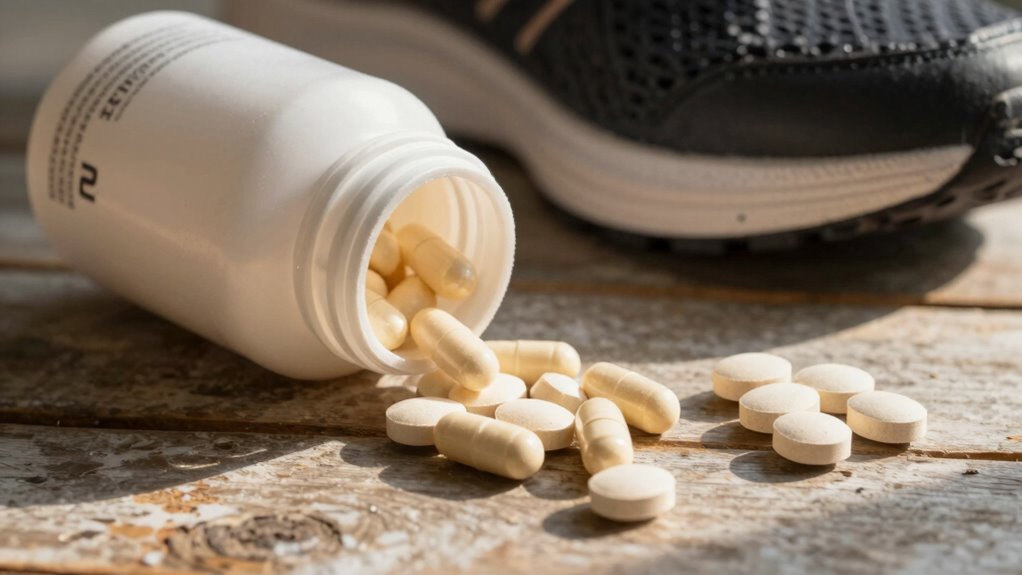
Maintaining muscle mass and speeding recovery helps you keep up with training, but you also need to protect the skeleton and joints that absorb repetitive impact. For aging runners, focus on evidence-based nutrients to reduce joint pain and preserve bone strength.
- Glucosamine: take 900–1500 mg daily (sulfate form preferred); studies show it can reduce stiffness and slow cartilage degradation in knees and hips.
- Vitamin D: aim for about 600–800 IU (15 mcg) daily, especially with limited sun exposure; it boosts calcium absorption, supports muscle function, and helps maintain bone health.
- Calcium: target roughly 1,200 mg per day after age 50 to sustain bone density and lower osteoporosis risk.
Talk with a clinician before starting supplements and check levels for personalized dosing.
Reduce Inflammation & Speed Recovery: Omega‑3s, Tart Cherry, Curcumin
If you want to cut recovery time and blunt the chronic inflammation that comes with miles on the road, consider adding targeted anti‑inflammatory supplements like omega‑3s, tart cherry, and curcumin to your regimen.
You can reduce inflammation and muscle soreness by prioritizing EPA and DHA from fish oil—aim for about 1.5–2 g/day for endurance athletes—to support joint mobility and postrun recovery.
Tart cherry juice taken before and after intense sessions has shown meaningful reductions in muscle pain, improving how quickly you bounce back.
Curcumin offers potent anti‑inflammatory and antioxidant effects that may limit exercise‑induced muscle damage.
Used together, these agents can act synergistically to speed recovery and help aging runners maintain performance with less stiffness and discomfort.
Key Minerals: Magnesium, Iron, and Electrolyte Balance
You should pay close attention to magnesium because it supports muscle contraction, aerobic capacity, and hundreds of biochemical reactions.
Older runners often need more due to stress, sweat, and reduced absorption.
Monitor iron status as well, since adequate iron is essential for oxygen transport and energy production, though supplements only clearly help those with true deficiency.
Finally, maintain electrolyte balance—particularly sodium, potassium, and calcium—to protect hydration, prevent cramps, and preserve performance on longer runs.
Magnesium For Muscle Function
Because magnesium supports more than 300 biochemical reactions in the body, it’s a cornerstone nutrient for muscle function and recovery in aging runners.
You’ll find magnesium essential for energy production, muscle contraction, relaxation, and even muscle growth, so keeping levels adequate helps maintain performance and reduce cramps.
Many older adults don’t meet the 320 mg (women) or 420 mg (men) daily recommendations due to lower absorption and intake.
- Monitor intake: prioritize magnesium-rich foods and consider testing if you have cramps or fatigue.
- Choose form: magnesium citrate often offers better absorption and GI tolerance for supplementation.
- Aim for balance: pair magnesium with proper hydration and electrolytes to support aerobic capacity and recovery.
Iron And Energy Levels
When aging runners neglect iron and electrolyte status, their energy and endurance can fall off quickly because iron is central to transporting oxygen to working muscles and electrolytes maintain nerve signals and fluid balance. You should monitor iron and energy levels, especially if you’re female or train intensely, since RDA differs by sex and athletes lose iron via sweat. Check magnesium too—it’s essential for ATP production and muscle function. Maintain sodium, potassium, and chloride during longer efforts to preserve hydration and nerve conduction. If you notice fatigue, weakness, or reduced performance, test for deficiencies and adjust diet or supplements with professional guidance.
| Mineral | Role |
|---|---|
| Iron | Oxygen transport |
| Magnesium | Energy production |
| Sodium | Fluid balance |
| Potassium | Muscle/nerve function |
Evidence‑Backed Performance Aids for Older Runners: Beetroot, Beta‑Alanine, Caffeine
Although aging brings physiological changes that can alter training response, several targeted supplements have credible evidence for helping older runners maintain or improve performance. You can consider beetroot, beta-alanine, and caffeine as practical, evidence-backed options when matched to your goals and health status.
- Beetroot: Rich in inorganic nitrate, beetroot juice converts to nitric oxide, improving blood flow and endurance; trials show benefits with doses like ~140 ml, with common pre-race guidance around 500 ml 2.5–3 hours before exercise.
- Beta-alanine: Raises muscle carnosine to buffer acidity during high-intensity efforts; expect modest gains for short, intense work with typical dosing of 3.2–6.4 g/day.
- Caffeine: At about 3–6 mg/kg, it lowers perceived exertion and boosts endurance; use cautiously and consult your clinician.
How to Pick Quality Supplements: Third‑Party Testing and Contamination Risks
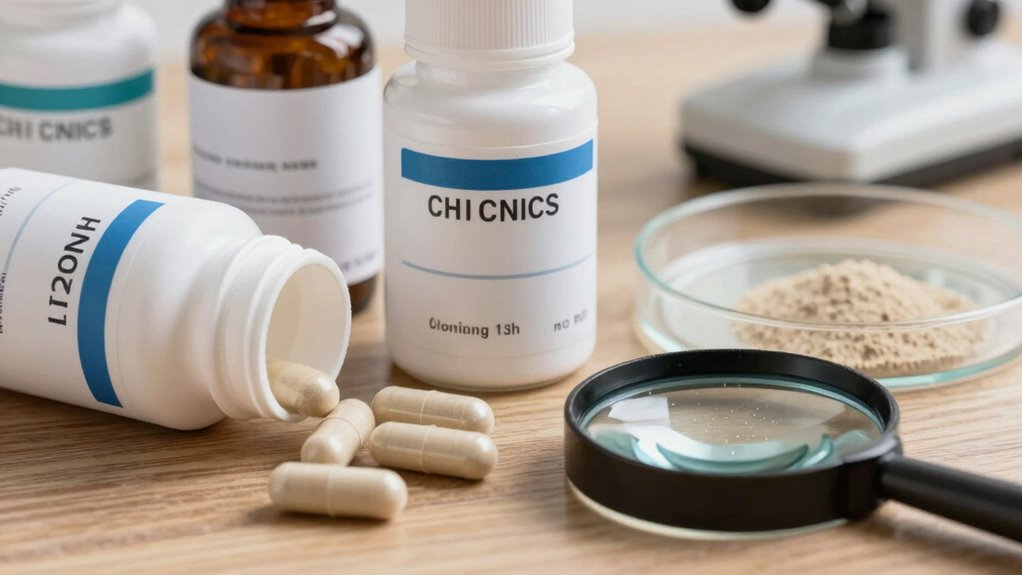
You’ve seen how beetroot, beta‑alanine, and caffeine can offer measurable gains for older runners, but choosing supplements wisely matters just as much as choosing the right ones.
Prioritize products with third-party testing from reputable organizations (NSF, USP) so labels reflect actual ingredients and dosages. Check for clear labeling that lists ingredients, amounts, and allergens; opaque or proprietary blends are a red flag.
Be aware of contamination risks — heavy metals, pesticides, and unlisted substances occur without strict oversight — and favor manufacturers that follow Good Manufacturing Practices to reduce those dangers.
Finally, read independent research and consumer reviews for real-world reports on efficacy and side effects. Combining certification, transparency, and evidence helps you choose safer, more reliable supplements.
Practical Daily Dosing Plans for Strength, Endurance, and Joint Health
To translate the supplements we’ve discussed into a practical daily routine, start by matching doses to your primary goals—strength, endurance, or joint health—and spread intake across the day to improve absorption and minimize side effects.
Match supplement doses to your goals—strength, endurance, or joints—and space them through the day for best effect.
As an aging runner, you’ll pair supplements and vitamins with targeted nutrition and timing.
- Strength: consider a 20g/day creatine loading for five days, then 3–5g/day maintenance; guarantee protein intake of 1–2.2g/kg daily, split across meals and post-workout.
- Endurance: prioritize omega-3 fatty acids (≈1.1g/day women, 1.6g/day men) and steady protein intake; space carbs and protein around long runs for recovery.
- Joint health: glucosamine 900–1500mg daily in three doses and magnesium (320mg women, 420mg men) to support muscle and mobility.
Wrapping It Up
You don’t need miracle cures — just targeted choices. Start with assessments (labs, bone density, symptoms), then prioritize vitamin D, calcium, magnesium, iron if deficient, and evidence-backed aids like creatine, protein, beetroot, and caffeine for performance and recovery. Watch interactions, dosing limits, and third‑party testing. Like a seasoned coach refining a training plan, tailor supplements to your goals and tests, reassess regularly, and stop or adjust if benefits don’t outweigh risks.