wired trail running headphones

The 7 Best Wired Trail Running Headphones for Stable, Sweat-Proof Sound on Tough Terrain

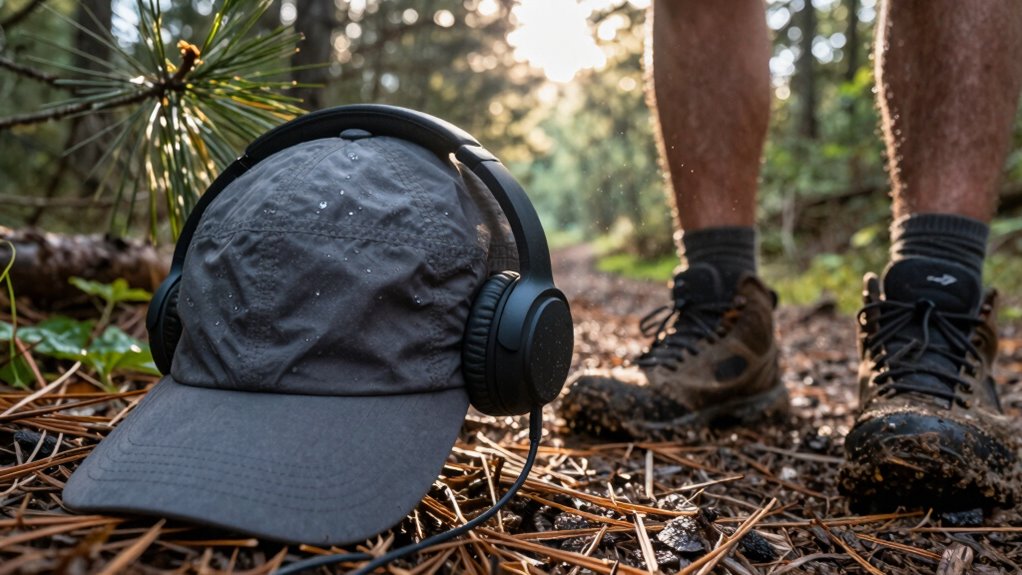
You want wired trail running headphones that stay secure and resist sweat, no matter the terrain. Look for models with ear hooks or over‑ear clips, like MUCRO Sport Earbuds or JBL Endurance RUN, plus IPX5+ protection for sweat and rain. Expect a wide 20 Hz–20 kHz range, 16 Ω impedance, and inline mic controls for calls. Many options are around $20–$50, lightweight under 1.5 oz, with multiple tip sizes. If you keep exploring, you’ll uncover more useful picks.

Read More

cooling tactics for runners

Hot Weather Trail Running: Cooling Tactics That Work

Running in hot weather demands smart cooling strategies. Start with ice slurry or cold immersion 10–30 minutes before running. During your run, use ice vests or headgear and stick to routes near water for invigorating douses. Hydrate strategically by preloading fluids and replacing losses efficiently with electrolyte mixes. Consistent heat adaptation through hot weather training enhances tolerance. Choose breathable gear and shaded trails to stay cool. Explore more to optimize performance on scorching trails.

Read More
rainy trail running tips

Rain and Mud Trail Strategy: Grip, Cadence, and Clothing Choices

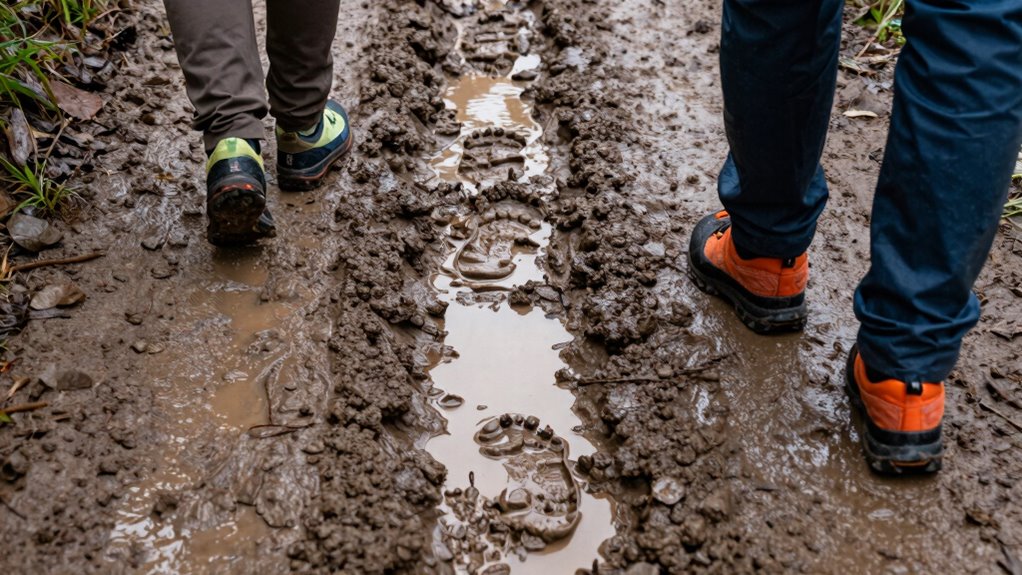
When tackling rain and mud trails, aim for firm lines at mud’s edges for better grip, keeping your stride short and close to your hips. Aim for a 180 steps per minute cadence to minimize sliding, and choose shoes with deep traction patterns like Salomon Speedcross 6 for excellent performance. Wear waterproof clothing, using GORE-TEX fabrics to protect against rain and mud. By focusing on these strategies, you’ll enhance your trail experience effectively. Explore further for optimized strategies.

Read More
trail running footwork techniques

Technical Terrain Footwork Drills for Smoother Trail Running

To enhance your trail running, focus on foot placement drills like quick-step sequences and ladder drills to boost agility. Incorporate balance exercises such as single-leg stands and Romanian deadlifts to improve proprioceptive awareness. Strengthen with single-leg squats and plyometrics for power and dynamic cadence. Practice terrain-specific drills on rocky and slippery surfaces for better navigation. Prioritize mobility and recovery to reduce injury risk, and include neuromuscular priming before runs for peak performance. There’s much more to explore ahead.

Read More
nighttime trail running essentials

Trail Running in the Dark: A Safety and Gear Checklist

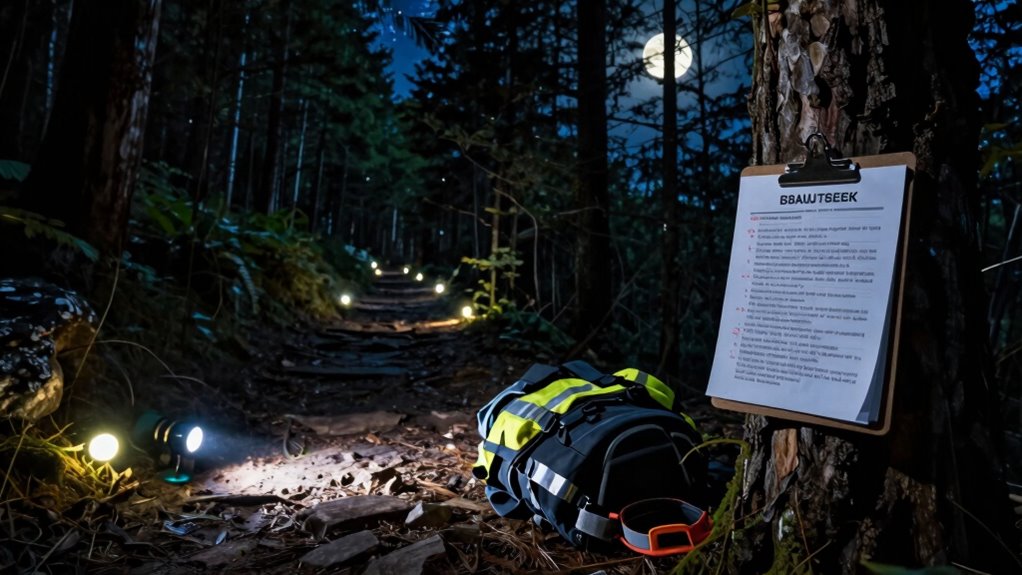
When you’re trail running in the dark, prioritize your safety and gear. Use headlamps with at least 200 lumens and wear reflective attire for visibility. Stick to familiar trails to avoid navigation issues, and always inform someone of your route. Carry essentials: a phone, ID, water, and a self-defense tool. Layer for warmth and maintain awareness by skipping earbuds. Running in groups is safer, and staying prepared guarantees a secure, enjoyable night run. Explore deeper insights ahead.

Read More
confident trails transition plan

Road Trail Transition Plan: 4 Weeks to Confident Trails

Shifting from road to trail running over four weeks requires a strategic approach. You’ll want to blend trail sessions with road runs to prevent overuse injuries. Emphasize strength and mobility exercises like split squats and single-leg deadlifts to enhance trail stability. Equip yourself with essential gear like maps and hydration systems for safety. Focus on improving navigation and scrambling techniques for confidence. By understanding injury prevention and recovery skills, you’ll enjoy a seamless shift to successful trail adventures. Seek further insights for an even smoother journey.

Read More
trail running safety tips

Trail Running 101: Traction, Protection, and How to Start Safely

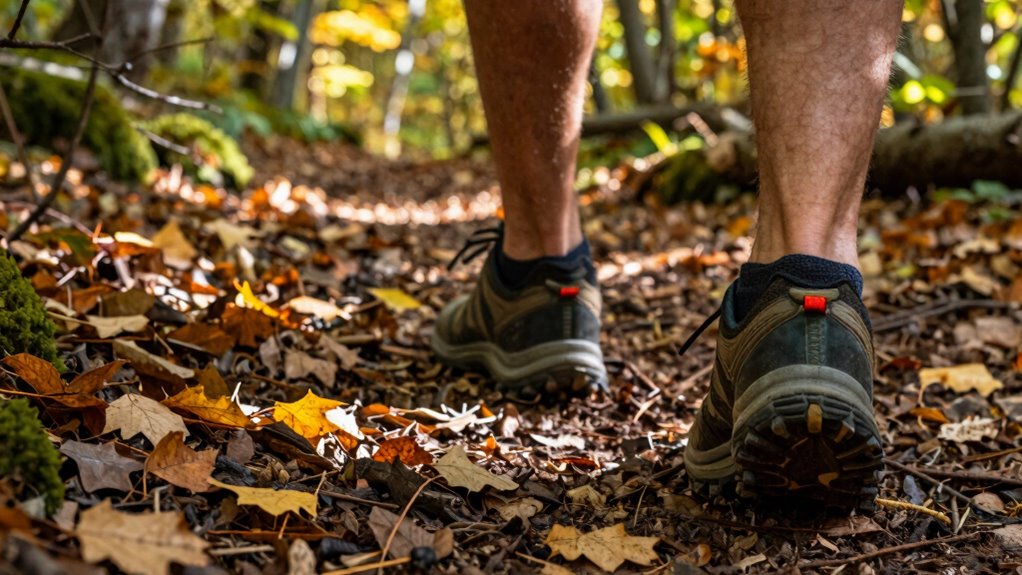
When beginning trail running, choose the right shoe for your terrain, like light trail shoes for maintained paths or technical ones for rocky surfaces. Use moisture-wicking socks to prevent blisters and lubricate hotspots. Maintain traction with quick, short strides, adjusting cadence for inclines. Gradual mileage increases prevent injuries, while cross-training aids recovery. Plan routes according to your skill level, and don’t forget essential gear. Observe trail etiquette to respect the environment—you’ll discover much more soon.

Read More
quick dry trail running shorts

The 1 Best Quick-Dry Trail Running Shorts With Pockets, Ready for Your Next Run

The 1 best quick-dry trail running shorts with pockets you’ll want are MIER Men’s Quick-Dry Running Shorts. They feature a 5-inch inseam, ultralight moisture-wicking fabric, and quick-dry tech, plus secure zip pockets and multiple storage options. An adjustable waistband, soft inner lining, and reflective details boost fit, comfort, and safety. They’re durable with reinforced seams, water-resistant coating, and mesh pockets for airflow. If you keep going, you’ll uncover how to choose the right pair for you.

Read More