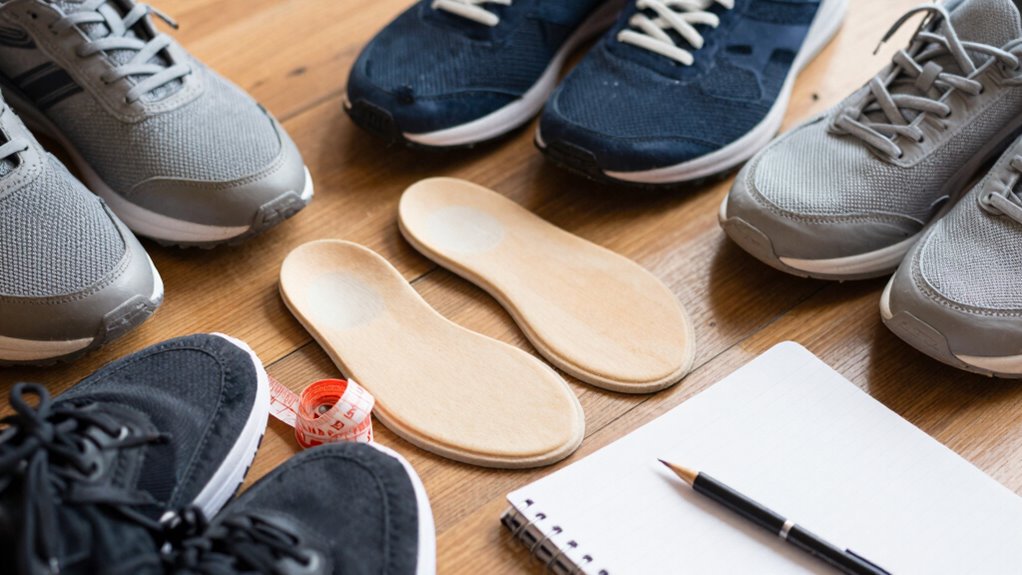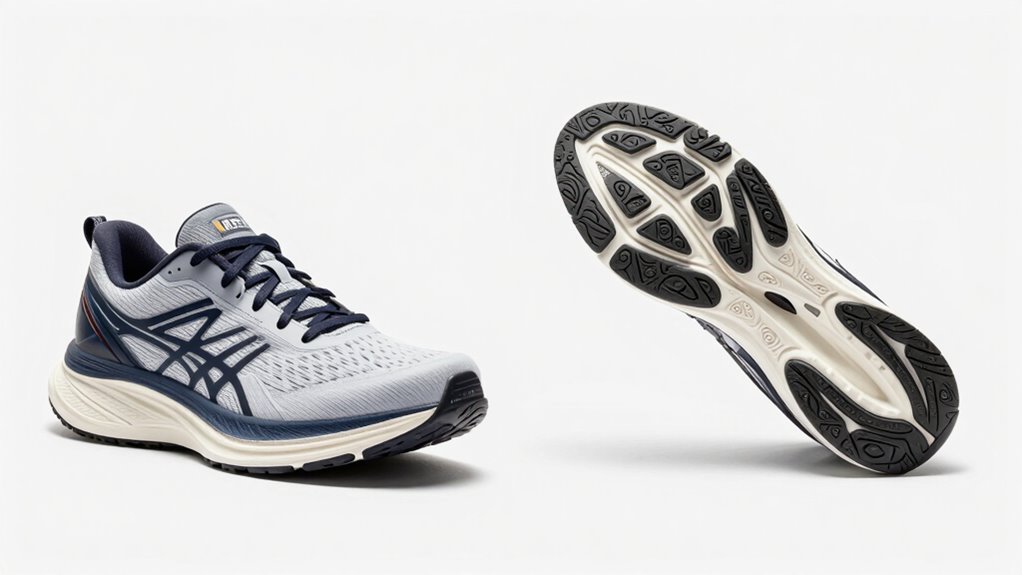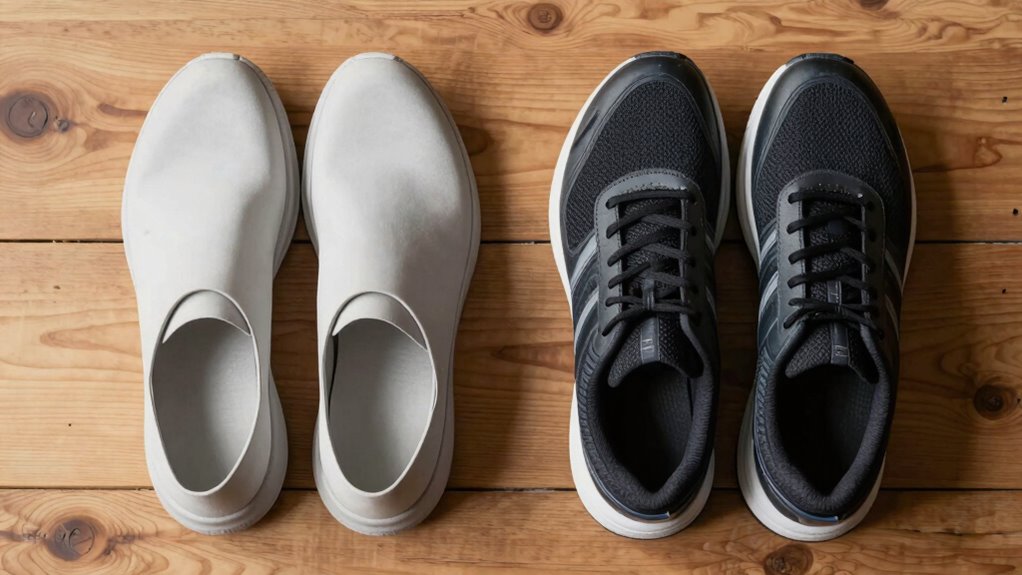
insoles signs and considerations

Do You Need Insoles? Signs, Tradeoffs, and When to See a Pro

If you’re experiencing discomfort, overpronation, or balance issues from flat feet or high arches, insoles might help. They alleviate heel pain and improve stability in daily activities. Consider that custom orthotics can be expensive, and adapting might take time, but the right choice could enhance foot health. Persistent pain or neuropathic symptoms may require professional help. Recognizing these signs early aids in selecting effective solutions tailored to your needs, helping you take informed next steps.

Read More
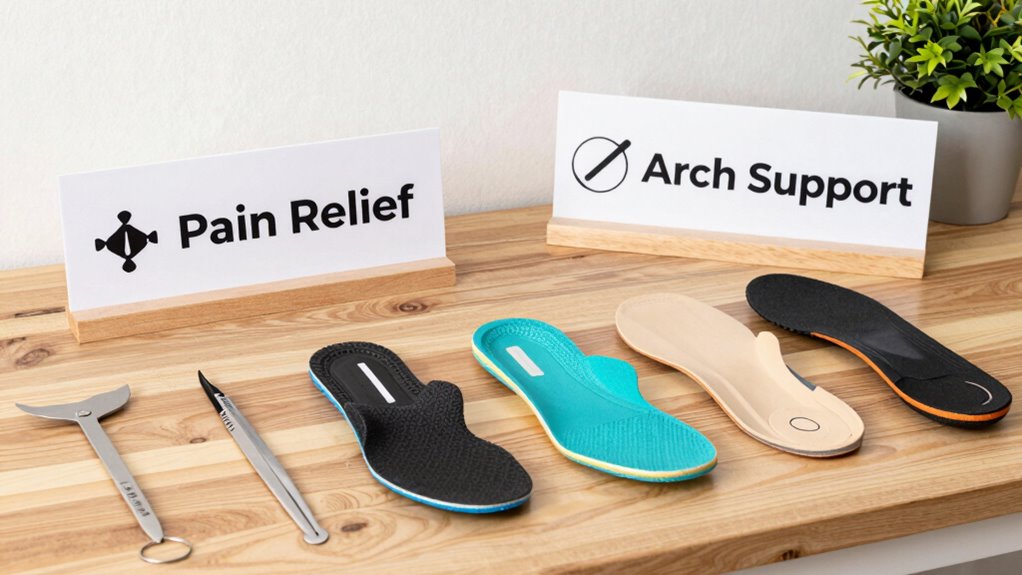
wide feet running solutions

Wide Feet Running Guide: Sizing, Brands, and Common Fit Fixes

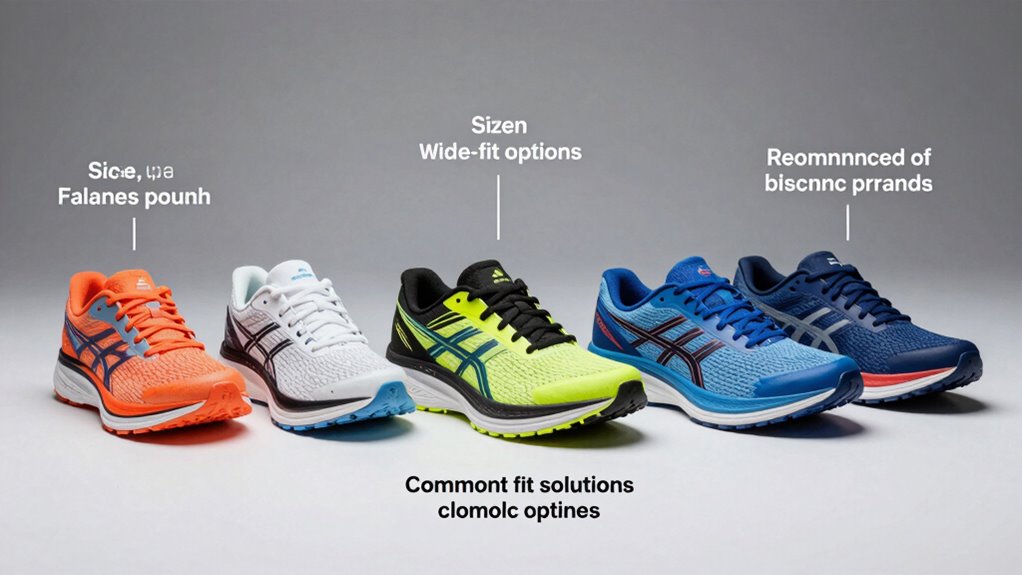
Finding the right running shoes for wide feet involves precise measurement. Trace your foot or use a Brannock device for accurate sizing. Look into brands like Altra, New Balance, and Hoka for wide options. If you experience foot pain or toe bruising, consider adjusting lacing techniques for extra comfort. Measure your feet at the end of the day, choose shoes with ample toe room, and use intended running socks to guarantee a proper fit. There’s more to explore on these adjustments and choices.

Read More
day one comfort expectations

Shoe Break‑In Myths: What Should Feel Right on Day One

When trying on new shoes, you’ll want them to feel comfortable from the start as modern footwear is designed with advanced materials for immediate comfort and proper fit. Ignore old myths about shoe break-in periods; discomfort shouldn’t be a part of the process. Look for shoes with good cushioning and support, ensuring there’s no tightness or pinching. Keep in mind, understanding proper fit and choosing the right shoe can prevent foot-related issues — there’s so much more to explore on this topic.

Read More
avoid costly shoe mistakes

Beginner Shoe Buying Mistakes (and How to Avoid Overpaying)

To avoid overpaying for shoes, measure your feet regularly, wearing the socks or inserts intended for the shoes, especially in the evening for accuracy. Identify your arch type and gait: flat feet need stability, high arches benefit from cushioning. Scrutinize the materials and construction for quality and durability. When buying online, review shipping policies and customer feedback. By paying attention to these factors, you’ll find the perfect pair without spending too much. Learn more about these essential tips.

Read More
shoe design affects performance

Why Two Shoes Can Feel Same but Run Different: Foam, Rocker, and Geometry

Two shoes might feel similar but perform differently due to variations in foam composition, rocker mechanics, and geometry. Foam types like EVA, TPU, and PEBA affect energy return and durability. The rocker profile influences foot movement and pressure distribution, while geometry, including stack height and heel-to-toe drop, impacts biomechanics and stability. Each aspect can alter performance, comfort, and response during runs. Understanding these factors will guide your selection and enhance your running experience.

Read More
injury resistant shoe rotation

How to Build a 3-Shoe Rotation for Injury Resistance and Better Training

To build a 3-shoe rotation for injury resistance and better training, begin by selecting a shoe for specific workouts. Use a cushioned pair for recovery and long-distance runs to absorb impact. Choose a firm, lightweight shoe for speed work and enhancing ground feedback. Add a stability or zero-drop shoe for support and natural alignment. Regularly monitor wear and mileage to optimize their longevity. Keeping a diverse rotation not only reduces strain but also boosts overall performance. Explore the benefits further for more insights.

Read More
identifying arch types accurately

High Arches Vs Flat Feet: Choosing Shoes and Insoles Without Guesswork

When choosing shoes and insoles for your feet, recognize if you have high arches or flat feet. For high arches, opt for cushioning and shock absorption, with thick midsoles and a deep heel cup for stability. Flat feet benefit from support with firm arch modules and stability features to reduce overpronation. Proper insoles can further enhance comfort and support. Understanding your arch type is key to selecting the right footwear, and there’s more to discover for tailored comfort.

Read More
shoe type self assessment guide

Neutral Vs Stability Shoes: a Practical Self-Assessment (No Gait Lab Needed)

To choose between neutral and stability shoes, examine your foot type and wear patterns. Check your shoe’s outsoles: neutral patterns indicate balanced pronation, while medial wear suggests overpronation. Conduct a wet test to assess your arches. High arches require neutral shoes, low arches benefit from stability shoes. Test your balance with single-leg stances and track any discomfort. Gradually shift when switching shoes. Discover more about matching shoe types to your specific needs in further insights.

Read More
effective lacing techniques explained

How to Fix Heel Slip: Lacing Patterns That Actually Hold

To fix heel slip, use effective lacing techniques. Begin with a standard crisscross lacing pattern for a strong base. Create loops by threading the laces through the top eyelets, forming a loop near the ankle. Cross the laces into the opposite loops to anchor the heel securely. Make certain the laces are snug to prevent circulation issues. Use a double knot, like a reef knot, to finalize for a secure hold. Keep going to learn more strategies for best fit.

Read More
perfect running shoe fit

Running Shoe Fit Checklist: Width, Volume, Toe Splay, and Lockdown

Make certain your running shoes fit perfectly by checking width, volume, toe splay, and lockdown. Start by measuring your foot’s width; trace and measure both feet, using the larger size. Assess shoe volume for comfort; look for high volume signs like toe tingling. Confirm adequate toe splay for stability and health. Achieve ideal lockdown with lacing techniques and a snug heel fit. With these steps, you’re on your way to finding the perfect pair.

Read More